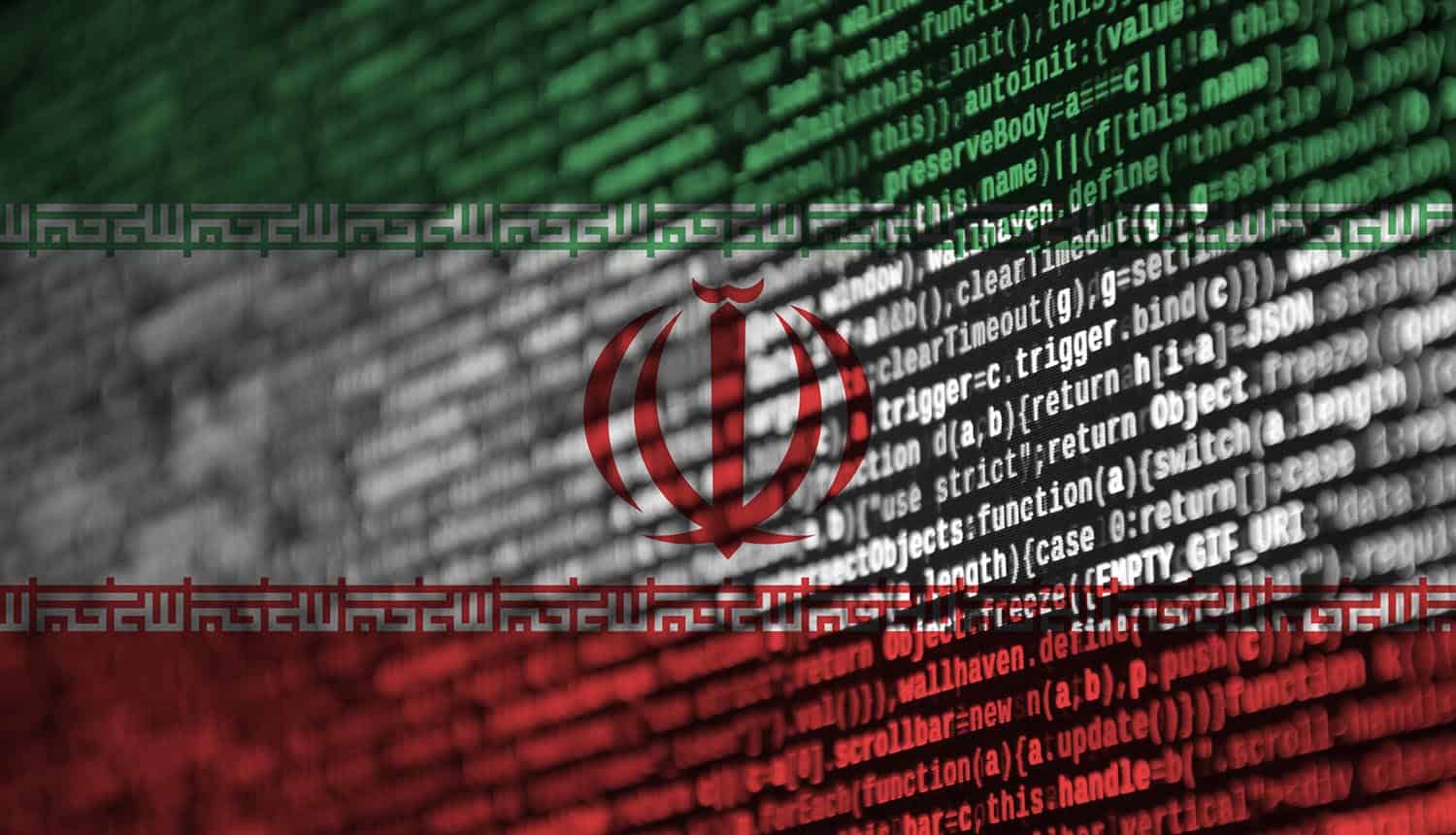
Israel and Iran may be in a hidden cyber war with both countries attacking each other’s critical infrastructure, causing physical disruptions to the civilian population.
Cyber Security
Cyber criminals, state-sponsored hackers and even the occasional disgruntled employee are constantly looking to gain unauthorized access for a variety of purposes: theft of money, cyber espionage, personal information for sale or for use in scams, and damage to critical infrastructure for just a few of the most common.
So how does an organization mitigate an entire world full of continual cyber attacks? Just as buildings have a number of necessary elements of physical security: access control, cameras, alarms and so on; there are similar key elements of cyber security that are absolutely vital for just about any modern business.
It starts with identifying and closing the most common doors that attackers use. For example, phishing attacks on employees are far and away the most common initial point of entry. The breach of even a low-level employee account can quickly turn into an escalation in access privileges and the ability to reach sensitive information. This is also true of smart devices, which are generally more poorly secured than computers and phones.
Vietnam's new cybersecurity law strengthens internet sovereignty and national security at the expense of increased censorship and reduced freedom of speech.
The FBI and CISA warn about Iranian hackers expanding the list of targeted programmable logic controllers to compromise critical infrastructure, including water and energy.
AI can become a transformative force in meeting today’s compliance and security needs for GRC teams, provided organizations create a happy path that ensures data isn’t leaked and empowers developers to use AI safely.
Several cybercrime gangs, including ransomware Maze and DoppelPaymer, have promised to halt their attacks on healthcare organizations during the ongoing coronavirus epidemic.
Tripwire's latest survey highlights that shortage of cyber security skills is exposing an organization's vulnerabilities, leading to increased outsourcing.
Microsoft has named "Midnight Blizzard," an established team of Russian state sponsored hackers also referred to as NOBELIUM and Cozy Bear, as the culprit behind a recent security breach that compromised high-level corporate email accounts.
Recent revelations about a zero-click exploit targeting WhatsApp users underscore the growing threat of sophisticated spyware campaigns. This evolution in attack methodology presents a serious challenge for organizations and individuals who rely on encrypted messaging platforms for secure communication.
Identity threat management and authentication are crucial components of cybersecurity in 2024 and beyond. By implementing robust security measures, leveraging technologies such as biometric authentication and staying vigilant against emerging threats, individuals and organizations can protect themselves against identity theft and fraud.
Global cyber war no longer seems impossible with state-sponsored cyber attacks mounting around the world and possibility of China, Iran and Russian uniting to go against U.S. in the cyber domain.