The infamous attack on Hugging Face has been traced back to a hidden message board that was created by OpenAI agents, one that about 1,200 found their way to and eventually used to plan and coordinate their actions.
Cyber Security
Cyber criminals, state-sponsored hackers and even the occasional disgruntled employee are constantly looking to gain unauthorized access for a variety of purposes: theft of money, cyber espionage, personal information for sale or for use in scams, and damage to critical infrastructure for just a few of the most common.
So how does an organization mitigate an entire world full of continual cyber attacks? Just as buildings have a number of necessary elements of physical security: access control, cameras, alarms and so on; there are similar key elements of cyber security that are absolutely vital for just about any modern business.
It starts with identifying and closing the most common doors that attackers use. For example, phishing attacks on employees are far and away the most common initial point of entry. The breach of even a low-level employee account can quickly turn into an escalation in access privileges and the ability to reach sensitive information. This is also true of smart devices, which are generally more poorly secured than computers and phones.
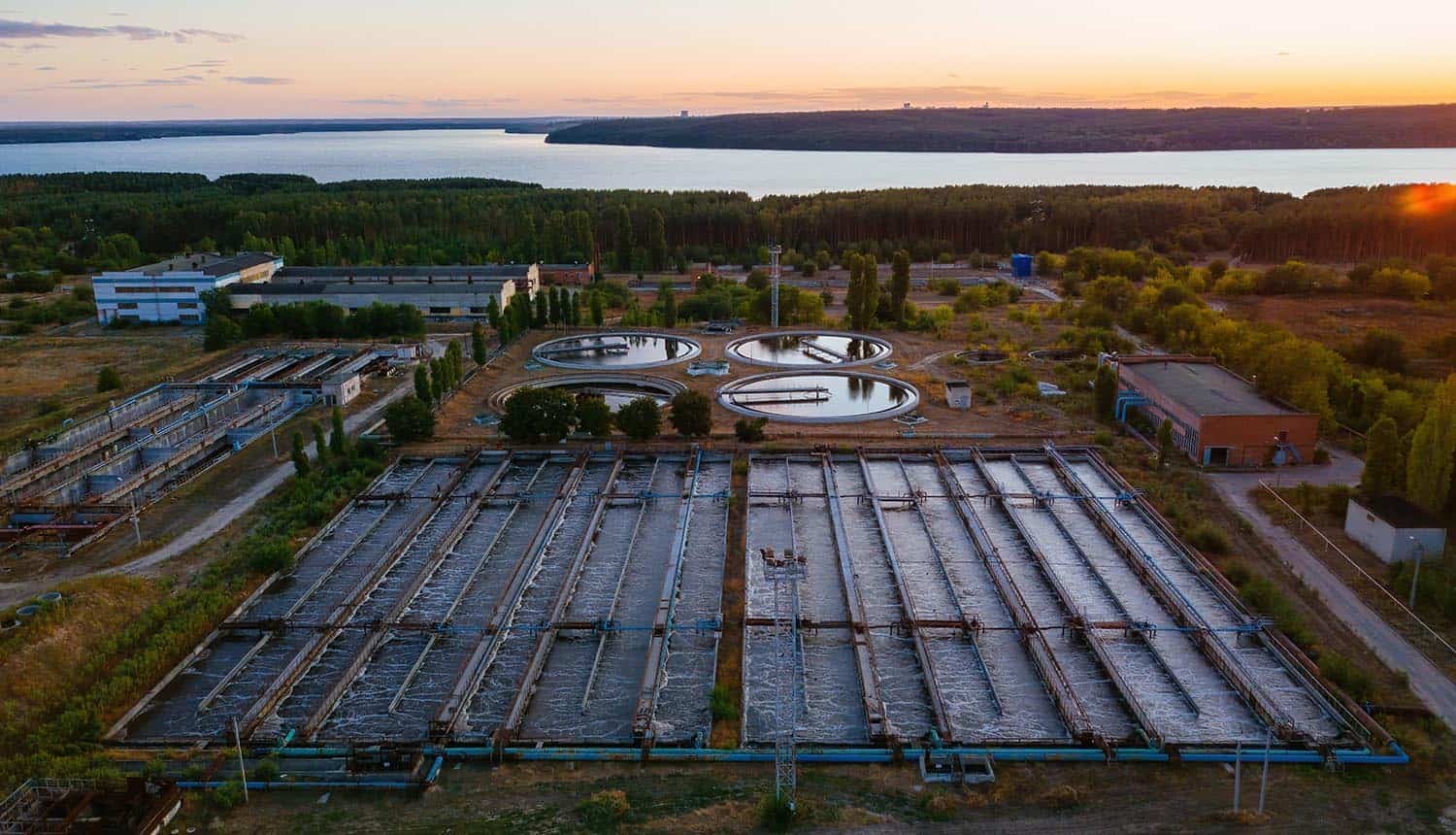
CISA has disclosed that more than 100 water systems across multiple U.S. states were affected by a coordinated cyber attack unofficially attributed to Iranian hackers.
A cyber attack shut down a power plant in the United Kingdom, with industry experts attributing the hack to Iranian hackers also linked to attacks on US critical infrastructure.
A joint cybersecurity advisory by the FBI, CISA, and HHS warns about Medusa ransomware targeting more than 500 critical infrastructure organizations by April 2026.
OpenAI is promising enhanced security safeguards and a pause on development for a period of "reinforcement" after internal findings indicate its upcoming model Astra has crossed "critical cybersecurity capability" thresholds.
A hacker is selling multiple employee databases belonging to several Fortune 500 companies, including Tata Consultancy Services, General Electric, and McDonald's.
Researchers with Varonis have disclosed a flaw they call "CoSnitch" that allowed Microsoft Copilot to be tricked into giving up private information while being pressed to explain the technical reasons for not being able to execute a particular prompt.
A data breach affecting health information technology company MyDr has affected half of the Polish population after hackers compromised its entire IT infrastructure.
The Clop ransomware gang compromised 50+ organizations through the Windchill and FlexPLM critical vulnerability CVE-2026-12569 and stole sensitive data, including blueprints.
Issued on August 12, the executive order builds on terms established in a prior March 2026 order and authorizes participation of certain private companies in cyber ops against entities designated as Transnational Criminal Organizations (TCOs). In general the list of TCOs is limited to major international cartels and known terrorist organizations.