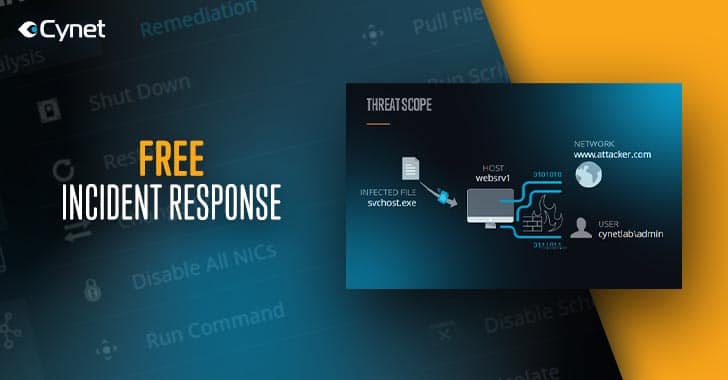
Cynet launches free IR tool providing unmatched speed and efficiency to help organizations and IR providers accurately determine the breach scope and impact; and ensure that all malicious presence and activity are completely eliminated.
Cyber Security
Cyber criminals, state-sponsored hackers and even the occasional disgruntled employee are constantly looking to gain unauthorized access for a variety of purposes: theft of money, cyber espionage, personal information for sale or for use in scams, and damage to critical infrastructure for just a few of the most common.
So how does an organization mitigate an entire world full of continual cyber attacks? Just as buildings have a number of necessary elements of physical security: access control, cameras, alarms and so on; there are similar key elements of cyber security that are absolutely vital for just about any modern business.
It starts with identifying and closing the most common doors that attackers use. For example, phishing attacks on employees are far and away the most common initial point of entry. The breach of even a low-level employee account can quickly turn into an escalation in access privileges and the ability to reach sensitive information. This is also true of smart devices, which are generally more poorly secured than computers and phones.
New Senate report reveals that the government’s biggest targets are not keeping pace with threats. Seven of eight federal agencies were found to have not made any meaningful improvements to their security since 2019.
After its infrastructure went offline in October, there was widespread speculation that the REvil ransomware group was done for good. The likelihood of that increased with last week's apprehension of affiliates along with the seizure of $6.1 million.
COVID-19 contact tracing apps are possible cyber threats to national security as they can be used to steal patient data and spread destructive malware in healthcare systems.
Threat actors compromised American automaker General Motors in a credential stuffing attack, accessed customers' personal information, and redeemed reward points for gift cards.
Survey on consumer sentiments towards 5G technology acceptance shows Baby Boomers are most concerned about data privacy while Millennials worry more about environmental and health impacts.
Last week's White House cybersecurity summit was the Biden administration's first formal public-private meeting on the subject of national security, drawing together executives from some of the biggest names in key industries.
A new CVE program roadmap outlines planned enhancements, such as better identification and prioritization of the most immediate software threats and additional participation by an assortment of security researchers and open-source experts from around the globe.
The new Microsoft security initiative update promises more sweeping changes. This move is also likely tied directly to the company's security woes and issues with cyber threats in 2023 and early 2024.
Leading U.S. retailer Macy’s recent data breach is sparking concerns that the upcoming holiday shopping season could be filled with similar types of data breaches at other retailers.