The Department of Justice (DOJ) recently announced an $11.3 million settlement of False Claims Act allegations against a Department of Defense (DOD) contractor that allegedly falsely certified compliance with DOD cybersecurity contract requirements.
Cyber Security
Cyber criminals, state-sponsored hackers and even the occasional disgruntled employee are constantly looking to gain unauthorized access for a variety of purposes: theft of money, cyber espionage, personal information for sale or for use in scams, and damage to critical infrastructure for just a few of the most common.
So how does an organization mitigate an entire world full of continual cyber attacks? Just as buildings have a number of necessary elements of physical security: access control, cameras, alarms and so on; there are similar key elements of cyber security that are absolutely vital for just about any modern business.
It starts with identifying and closing the most common doors that attackers use. For example, phishing attacks on employees are far and away the most common initial point of entry. The breach of even a low-level employee account can quickly turn into an escalation in access privileges and the ability to reach sensitive information. This is also true of smart devices, which are generally more poorly secured than computers and phones.
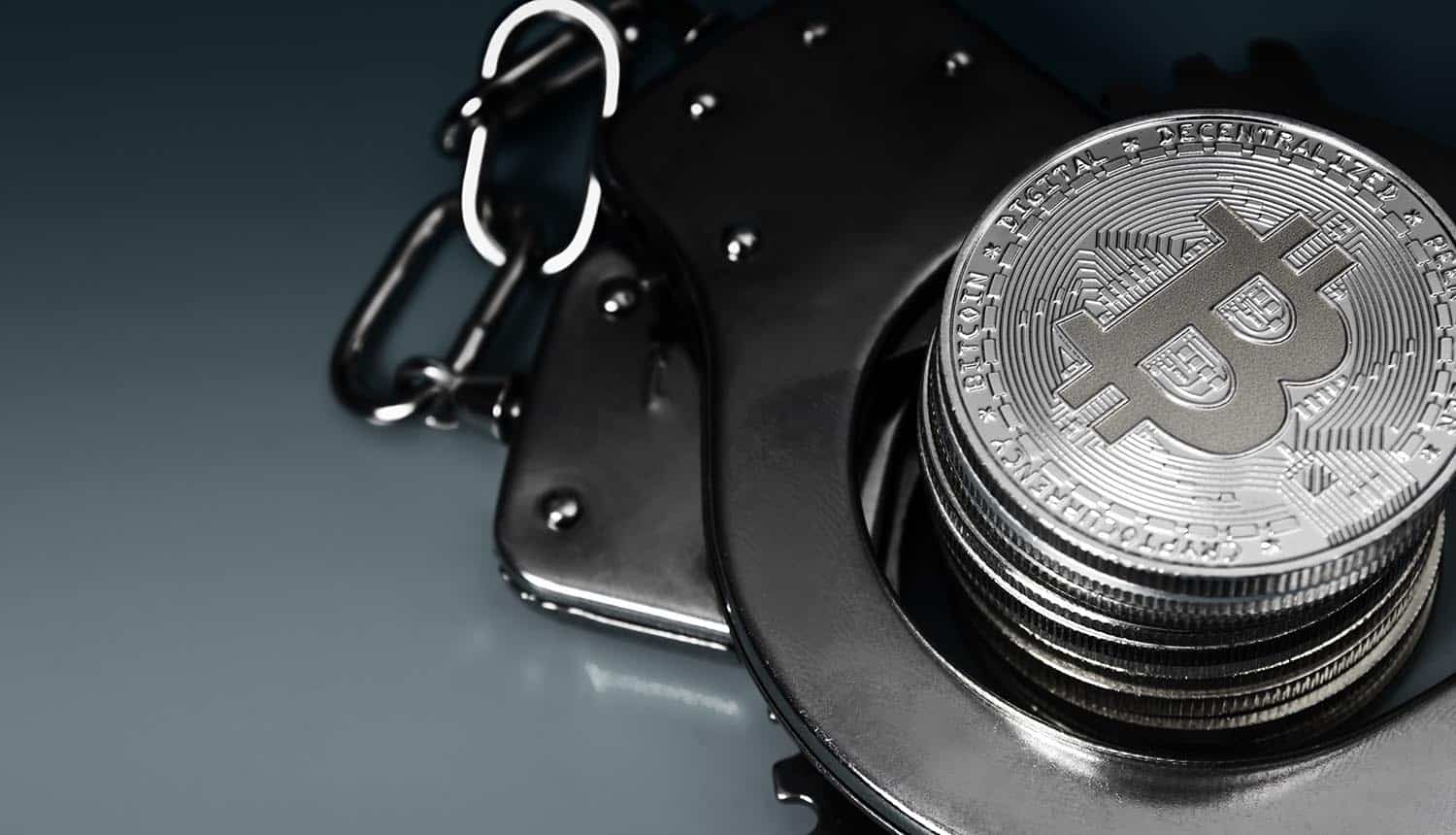
DOJ seized 94,000 Bitcoins from a New York couple accused of laundering 119,754 Bitcoins from the 2016 Bitfinex cryptocurrency theft currently valued at $4.5 billion.
While the CFAA and all of its troubled language remains in place, the DOJ has announced that security researchers who do not have malicious intent do not have anything to fear anymore.
The Justice Department has seized two domain names and 968 user accounts linked to a bot farm operation, which it says was managed by RT employees with assistance from Russian intelligence service FSB, aimed at spreading disinformation.
Dole Food Company has confirmed a ransomware attack that disrupted regional operations. Leaked memo shows that production was temporarily halted in several plants and deliveries suspended.
Dollar Tree and Family Dollar have leaked the sensitive personal information of nearly 2 million employees via a third-party data breach of a people analytics firm.
The world's biggest domain registrar, GoDaddy, has suffered another blow to its reputation for security after losing control of the addresses of several well-known cryptocurrency services.
Container images can be exploited by attackers to gain unrestricted access to the container environment and compromise sensitive data. What can you do to secure them?
OFAC's recent advisory stating that those who pay the ransom of a ransomware attack may be subject to fines can be detrimental to all involved in this growing cybersecurity problem.
With cybersecurity professionals spending as much as 30% of their time chasing down groundless reports of risky behavior or unauthorized data access, false positives are becoming a big problem for many organizations.