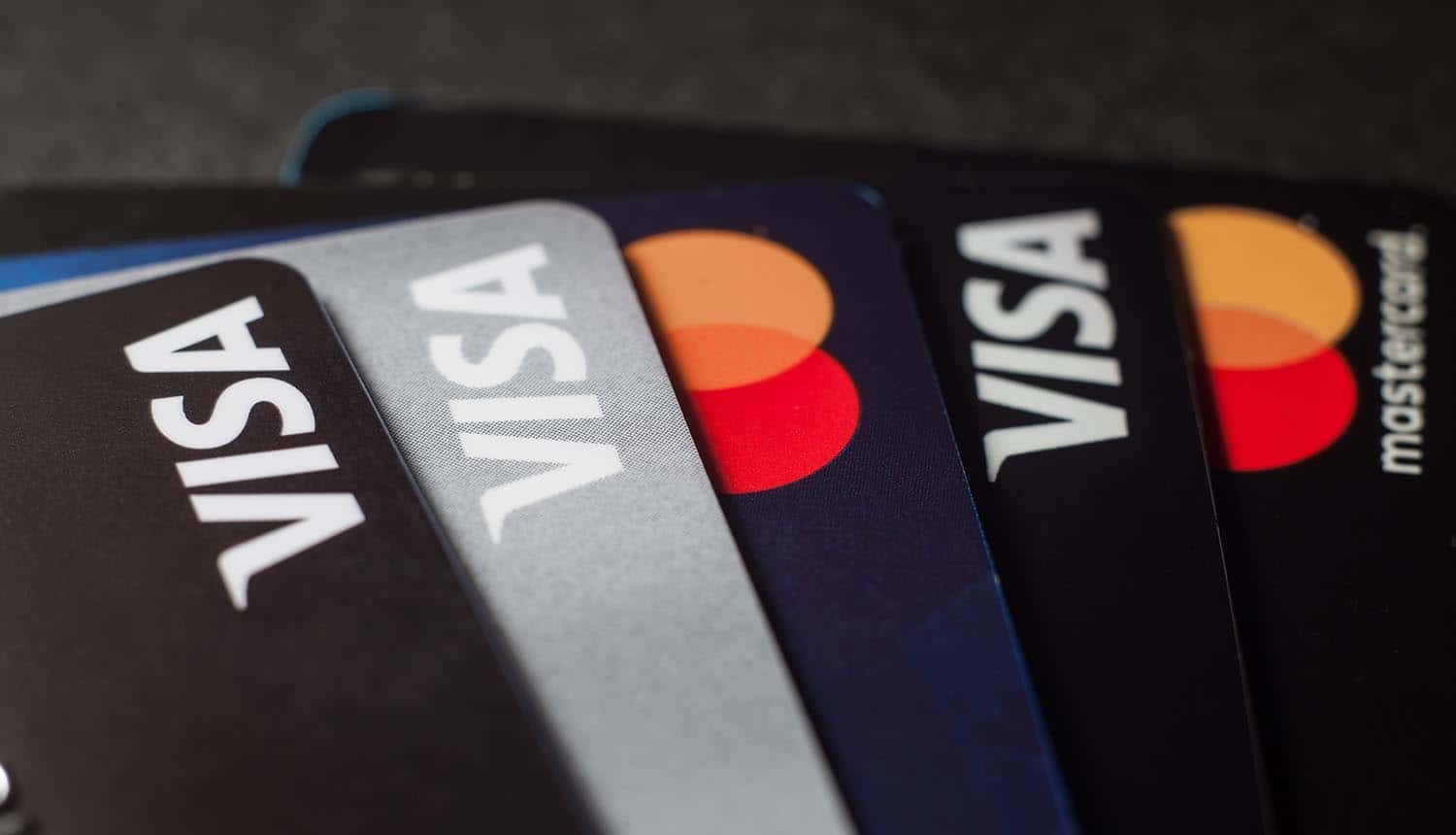
A data breach at Lotte Card has impacted nearly 3 million customers, putting the cardholder data of 280,000 individuals at a direct risk of exploitation for fraud.
Cyber Security
Cyber criminals, state-sponsored hackers and even the occasional disgruntled employee are constantly looking to gain unauthorized access for a variety of purposes: theft of money, cyber espionage, personal information for sale or for use in scams, and damage to critical infrastructure for just a few of the most common.
So how does an organization mitigate an entire world full of continual cyber attacks? Just as buildings have a number of necessary elements of physical security: access control, cameras, alarms and so on; there are similar key elements of cyber security that are absolutely vital for just about any modern business.
It starts with identifying and closing the most common doors that attackers use. For example, phishing attacks on employees are far and away the most common initial point of entry. The breach of even a low-level employee account can quickly turn into an escalation in access privileges and the ability to reach sensitive information. This is also true of smart devices, which are generally more poorly secured than computers and phones.
While API security remains a major concern for most organizations, most were unprepared, with only 11% having a concrete API security strategy to detect and stop API attacks.
Verizon's annual mobile security report paints a picture of a landscape increasingly dependent on mobile devices to get work done, this pattern has been driven primarily by the pandemic conditions.
Facebook-owned WhatsApp is suing Israeli surveillance technology firm NSO Group. It alleged that NSO group exploited a WhatsApp hack to spy on more than 1,400 people in 20 countries.
COVID-19 pandemic has driven many companies to adopt remote working model amidst the lockdowns, how can IT industry help businesses remain afloat in the new normal?
The Hydra darknet market with an estimated annual turnover of $1.35 billion was taken down. It had about 17 million users and 19,000 registered seller accounts prior to the bust.
The Vulkan Files revealed insight into Russian cyberwar plans and strategies and that company engineers work directly for Russian military and intelligence outfits and train state-backed hackers, run disinformation campaigns and provide support for cyber attacks.
Ritz data breach allowed cybercriminals to steal credit card information from guests to make expensive purchases at Argos. The hackers impersonated staff and bank officials.
From Uber to MailChimp, even the most technologically advanced and capable companies seem to struggle with keeping sensitive data safe and secure. And much of it comes down to one major data security pitfall – authorization oversight.
A data breach that exposed usernames and passwords of 28,000 GoDaddy web hosting accounts had raised security concerns over the authentication methods being used.


