
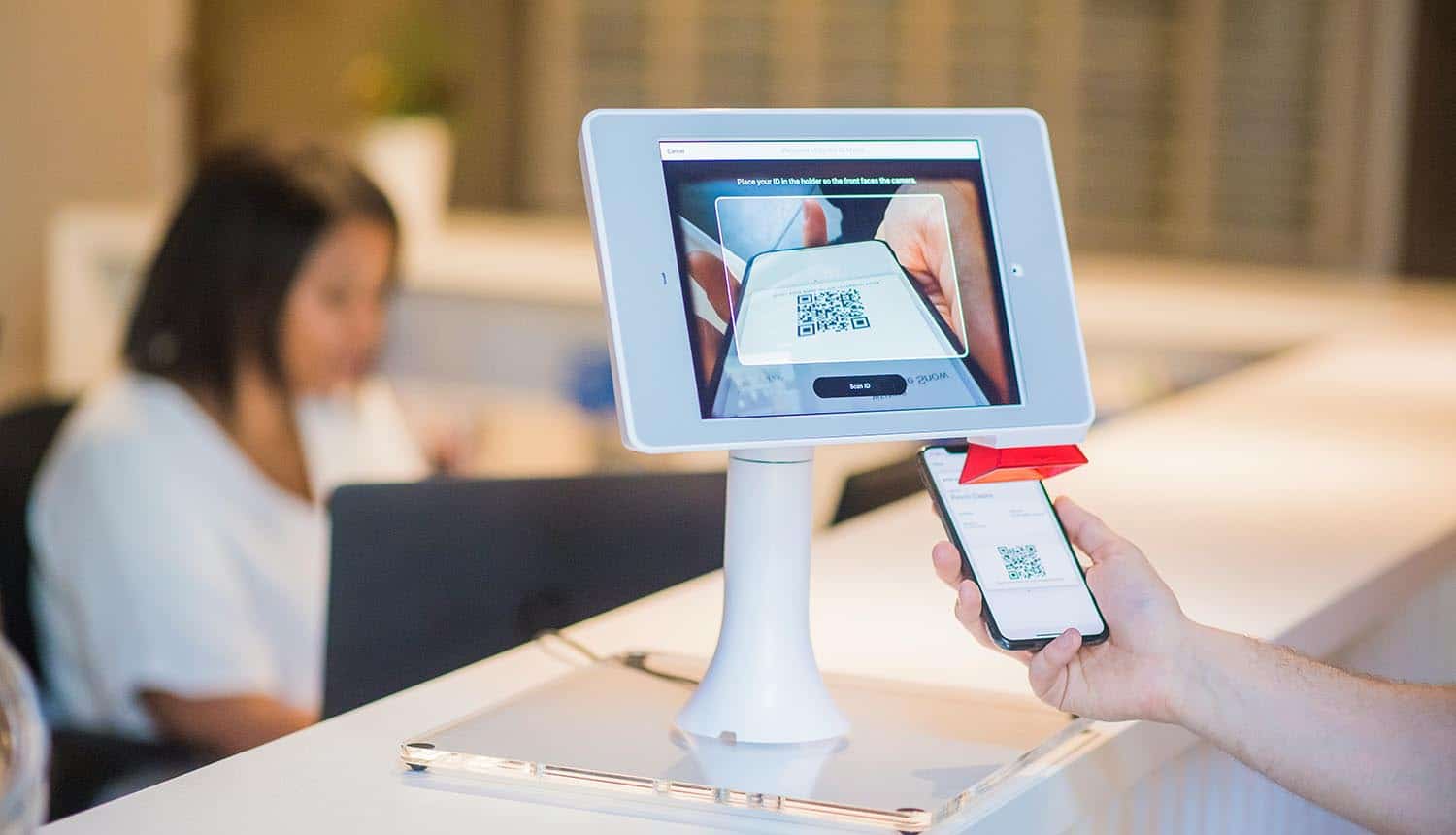

The unassuming black and white squares of QR codes have become ubiquitous in our daily lives. From restaurant menus to product packaging, these scannable squares offer a convenient way to access information instantly. However, with this increased presence comes the potential for misuse. Malicious actors can exploit QR codes to redirect users to phishing websites or distribute malware.
Fortunately, technology is constantly evolving to address these security concerns. The creation of a dynamic QR code is one noteworthy breakthrough. Unlike static codes that contain fixed data, dynamic codes can be edited and updated in real-time. Furthermore, several built-in security features enhance the trustworthiness of QR codes:
Encryption: Sensitive data within a QR code can be encrypted, making it unreadable to anyone without the decryption key. This safeguards confidential information like login credentials or financial details.
Digital Signatures: Similar to signing a document, digital signatures verify the authenticity and origin of a QR code. This helps users distinguish legitimate codes from those created with malicious intent.
Password Protection: An additional layer of security can be added by requiring users to enter a password before accessing the information encoded in the QR code. This is particularly useful for protecting sensitive documents or access control systems.
Visual Authentication: QR codes can be designed with visual cues that users can easily recognize. These cues, like logos or patterns, help users confirm the code’s legitimacy before scanning.
Real-Time Tracking: The flexibility of dynamic QR codes allows businesses to monitor interactions through QR code tracking, ensuring the code leads users to the intended destination, even if the underlying information changes.
Case Studies: Trustworthy QR Codes in Action
Organizations across industries are leveraging secure QR codes to create a more trustworthy user experience. Here are some examples:
- Museums: Museums are implementing QR codes with digital signatures to provide visitors with access to detailed information about artifacts. This not only enhances the visitor experience but also prevents the spread of misinformation through fake codes.
- Supply Chain Management: Secure QR codes with tracking capabilities are being used to track the movement of goods throughout the supply chain. This ensures product authenticity, reduces the risk of counterfeiting and streamlines logistics processes.
- Ticketing and Event Management: Secure QR codes are revolutionizing ticketing for concerts, conferences, and other events. By encrypting ticket information and enabling real-time tracking, organizers can prevent ticket scalping and ensure attendee safety.
The positive impact of these secure QR code implementations extends beyond just convenience. They foster trust between organizations and their customers, streamline processes and provide a robust platform for secure data exchange.
The Future of Secure QR Codes
The future of QR code security holds immense potential. Integration with blockchain technology could create tamper-proof codes, further bolstering user trust. Blockchain’s distributed ledger system ensures any modification is publicly verifiable, effectively eliminating the risk of malicious code manipulation. Additionally, advancements in visual cryptography could enable QR codes that appear different to unauthorized individuals, providing an extra layer of protection.
These future possibilities pave the way for even more innovative applications. Secure QR codes could be used for secure multi-factor authentication, eliminating the need for traditional passwords. Imagine accessing your bank account by scanning a secure QR code in addition to entering your PIN. The possibilities extend to physical spaces as well. Secure QR codes could be integrated with identity verification systems, granting access to secure buildings or events with a simple scan.
In conclusion, QR codes have undergone a significant transformation, prioritizing security and user trust. Through advancements like encryption, digital signatures and dynamic updates, these versatile tools offer a secure way to interact with the digital world. As technology continues to evolve, secure QR codes have the potential to become an even more ubiquitous and trusted tool in our daily lives. They can not only simplify interactions but also empower users with a safe and reliable way to access information and connect with the world around them.
