
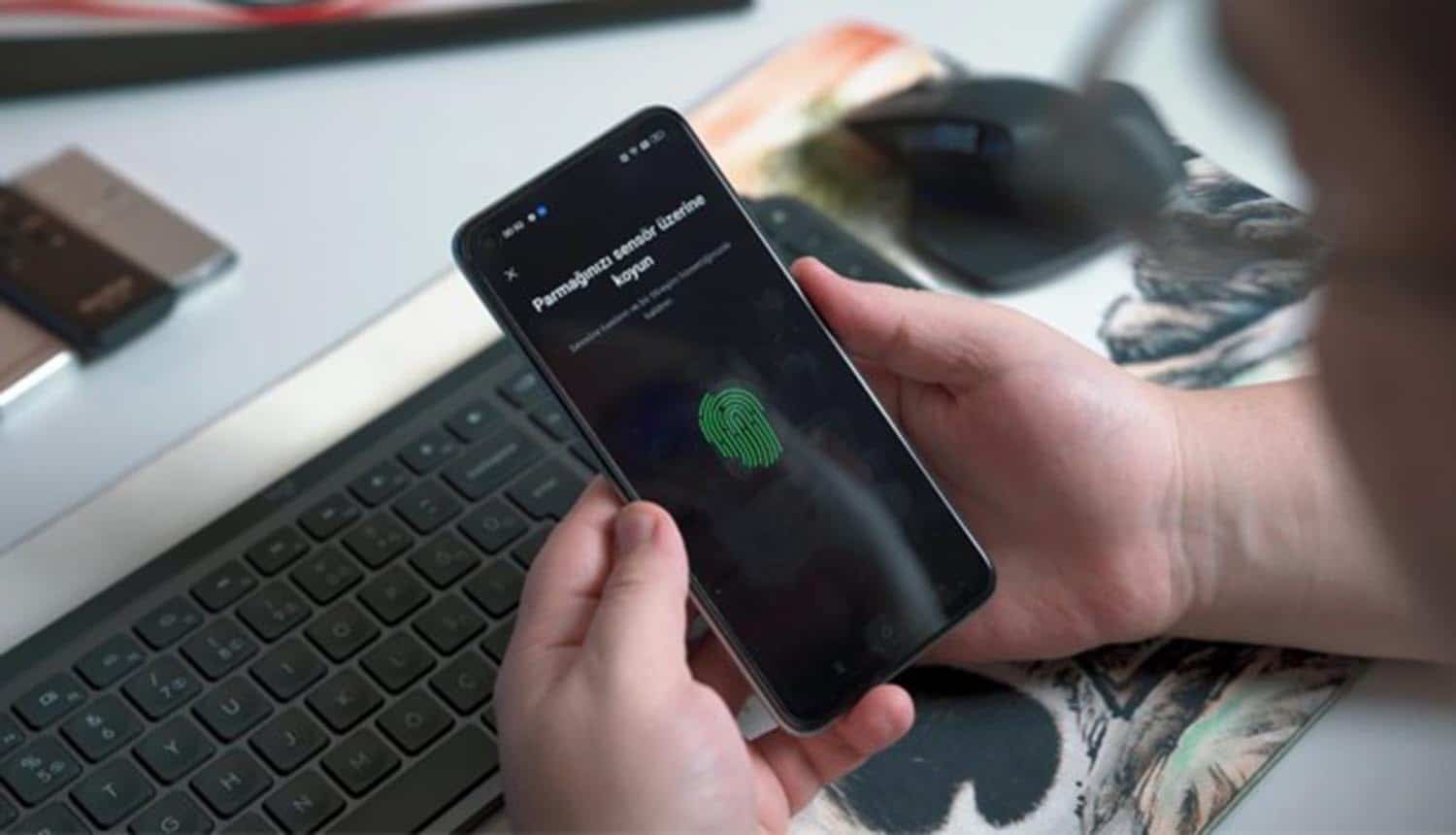

Deepfake identity attacks are changing how enterprises assess remote identity verification. AI-generated faces, manipulated video and injected camera feeds can make fraudulent applications appear genuine, even when individual verification checks succeed.
For cybersecurity teams, the challenge is understanding which defenses can detect these attacks without creating unnecessary friction for legitimate users. This article compares four deepfake detection platforms and the technologies behind them.
How Deepfake Identity Attacks Bypass Traditional Verification
Deepfake identity attacks exploit gaps between checking whether an identity exists, confirming who is presenting it and establishing whether the verification session is genuine.
Attackers can pair stolen documents with AI-generated faces or combine fabricated and genuine information to create synthetic identities. They can also manipulate the verification process itself. Presentation attacks place photos, masks or screens before a camera, while injection attacks feed synthetic or prerecorded media directly into the capture stream.
Traditional verification cannot always identify these threats. An authentic document does not prove the applicant is its rightful owner, and passing a liveness check does not necessarily establish that the video came from a genuine camera session.
Preventing biometric spoofing therefore requires controls that examine the identity evidence, detect manipulated media and protect the capture process.
Key Technologies for Deepfake-Resistant Identity Verification
Effective deepfake defense relies on complementary technologies, each addressing a different weakness in digital identity verification.
Biometric Liveness Detection
Biometric liveness detection tools check whether an actual person is there rather than a photograph, mask or replayed recording. Its effectiveness depends on which attacks it has been tested against, since detecting physical spoofs does not automatically establish resistance to AI-generated video or camera injection.
Passive Liveness Detection
Passive liveness detection performs checks without asking users to complete a challenge, while active approaches require a movement or response. Passive verification can reduce onboarding friction, but security teams should check whether each approach can detect AI-generated faces and manipulated video, including attacks that bypass the camera entirely.
Deepfake and Injection Attack Detection
Dedicated deepfake detection examines images and videos for signs of manipulation, while injection protection checks whether fabricated media has entered the verification stream through a virtual camera or compromised capture process.
Security teams should look for testing across both attack types, including performance against unfamiliar synthetic media. False-rejection rates also matter because stronger fraud controls should not unnecessarily block legitimate users.
4 Deepfake Detection Platforms for Identity Verification
These platforms approach deepfake resistance through different combinations of specialized detection, document checks and biometrics.
1. Incode
Incode is an enterprise-grade, deepfake-resistant identity verification platform designed for high-assurance digital onboarding in fraud-heavy environments. It combines advanced biometric liveness and deepfake-resistant verification with a privacy-first architecture to help organizations verify users with confidence while minimizing data exposure.
Incode is trusted by banks, regulated businesses, and government-level projects where accuracy, security, and long-term trust matter more than speed alone. Its technology has been independently validated through academic and industry benchmarks.
Incode’s Deepsight deepfake defense detects AI-generated faces, manipulated video and injection attacks by examining both media and capture integrity. Purdue University research found that its detector recorded a 2.56% false-acceptance rate on images and 77.27% video accuracy, the lowest image false-acceptance rate and highest video accuracy, respectively, among commercial systems evaluated.
The platform also examines presentation attacks and uses passive liveness detection to support biometric fraud prevention without introducing extra actions for legitimate users. Because Incode builds its technology in-house, proprietary models support custom model retraining as fraud patterns emerge without waiting for third-party updates.
Incode is relevant to banks, fintechs and high-volume digital platforms where sophisticated deepfake attacks require dedicated detection, biometric fraud prevention and adaptable verification controls.
2. Onfido
Onfido (an Entrust company) provides digital identity verification centered on document checks, biometric matching and customer onboarding. Its workflows review identity documents and compare submitted selfies with claimed identities.
Document-led verification supports repeatable checks at scale. Document checks and facial comparison help assess whether credentials belong to an applicant, while automation reduces routine reviews.
An authentic document can still be paired with a manipulated selfie, so those threats need separate assessment. That does not make document verification the same as dedicated deepfake detection. A convincing injected video can create a different problem from a forged passport, and organizations facing synthetic media need to examine the provider’s specific protections against those attacks. Onfido’s core positioning remains more closely associated with document fraud and onboarding verification than specialized deepfake-defense infrastructure.
It suits teams prioritizing document-led verification with biometric checks. Where deepfakes or camera-injection attacks are a substantial threat, buyers should test those scenarios separately rather than relying on general verification coverage as proof of resistance.
3. Jumio
Jumio is an established identity verification and KYC provider serving organizations that need remote document checks, facial verification and liveness controls. Its workflows support regulated digital account opening where consistent identity checks matter.
For teams handling many document types, Jumio provides a familiar model: authenticate the identity document, compare the applicant’s face with its image and apply additional biometric checks. These steps detect altered credentials and common presentation attacks remotely.
The distinction for deepfake-focused buyers is how far those controls extend beyond conventional liveness and document verification. Traditional liveness methods may be designed around physical presentation attacks rather than synthetic video fed directly into a capture stream. Jumio offers broader verification capabilities, but its positioning is less differentiated around purpose-built detection of evolving AI-generated media.
It fits established KYC programs with stable onboarding requirements. Security teams expecting frequent deepfake or injection attempts should examine dedicated attack testing, detection coverage and how quickly controls can adapt, with results from both image and video tests.
4. Veriff
Veriff provides identity verification through document analysis, biometric checks and liveness detection, serving organizations that onboard users across different markets. Its approach handles varied documents and risks across customer groups.
Document and facial checks can be considered alongside signals from the verification session, giving reviewers context beyond a single captured image. That matters when genuine documents accompany suspicious selfies or session behavior during high-volume onboarding. At scale, that context helps reviewers investigate suspicious submissions and failed checks.
The question for teams confronting AI-generated identity fraud is whether broad coverage provides enough deepfake-specific protection. Liveness detection and general fraud signals do not automatically establish resistance to injected video, virtual cameras or rapidly changing synthetic-media techniques. Those threats require testing against the actual attack methods the organization expects to face.
Veriff fits teams prioritizing broad document, biometric and liveness coverage across several international markets and onboarding environments. Teams with concentrated deepfake exposure should assess the depth of its dedicated media and injection defenses before selecting a platform.
How to Choose Deepfake Detection Software
The right deepfake detection software should match an organization’s fraud risks while providing reliable detection, injection attack protection, adaptability and minimal friction for legitimate users.
Where deepfake-resistant identity verification is the priority, Incode combines independently validated Deepsight detection with proprietary technology that supports custom model retraining as AI-generated fraud techniques evolve.
If document-led onboarding is the priority, Onfido may suit organizations needing established identity and biometric checks.
Jumio fits regulated environments with stable KYC workflows, while Veriff can support businesses requiring broad document and liveness coverage across multiple markets.
Regardless of the platform selected, testing against actual fraud patterns and onboarding requirements will determine long-term effectiveness. Technology ownership also matters, particularly when new attack methods emerge and detection models need updating quickly.
Strengthening Enterprise Identity Defenses
Deepfake resistance depends on protecting more than the image presented during verification. Organizations also need confidence that biometric evidence came through a genuine capture process and that detection models can respond to unfamiliar attacks.
For cybersecurity teams, the priority is to understand where existing identity controls could fail and test those weaknesses against realistic fraud attempts. Stronger protection comes from combining appropriate defenses, not assuming that a successful liveness check establishes the authenticity of an entire session.
Frequently Asked Questions About Deepfake Detection Software
Can Liveness Detection Alone Stop Deepfake Attacks?
Not reliably. Liveness checks help establish human presence, but they do not necessarily detect manipulated video or attacks that bypass the camera. Deepfake-resistant systems need separate media and capture-integrity defenses.
How Do Injection Attacks Differ From Presentation Attacks?
Presentation attacks place fraudulent material in front of a real camera. Injection attacks deliver fabricated or prerecorded media directly into the verification stream. Testing should include both paths because they exploit different weaknesses.
How Should Teams Measure Deepfake Detection Accuracy?
Test genuine and fraudulent sessions, including unfamiliar synthetic media. Compare false-acceptance rates with false-rejection rates, and check whether independent evaluations reflect the organization’s actual onboarding environment.
