Today most small and medium businesses adopt a reactive approach to cybersecurity – protect, pray and then react. Here are 7 criteria an SMB should look for when selecting solutions for a layered cyber defense.
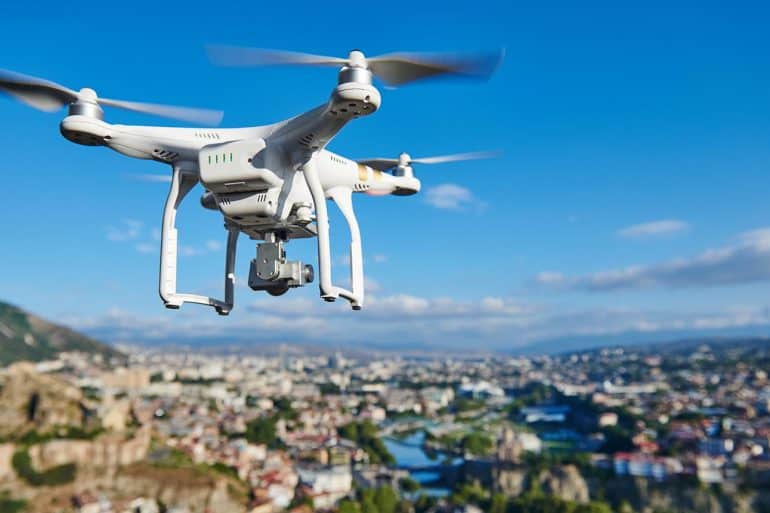
Drones that were once used only for military purposes have now entered the private sector. With the surveillance culture that is permeating almost every part of modern society, drone surveillance using not just cameras but facial recognition software, IR technology, and speakers are an unprecedented threat to privacy.
Are the privacy and data misuse scandals finally catching up with Facebook stock? There are lessons every business should heed to avoid a direct and shocking blow to company value.
The technology sector is facing new regulations and increased calls for further regulation, in particular with respect to data privacy and security. Emerging tech companies that plan to succeed should pay attention and be prepared for more questions about privacy and security from investors, strategic partners, consumers and, possibly, regulators.
Personalization is driving dynamic, tailored experiences. The reliance on data raises data privacy concerns, and when new “zero-data” sharing social networks like Openbook pop up, questions over the use – and misuse – of data is inevitable.
Secure messaging apps can provide a great means of communicating securely and privately, but there's a privacy dilemma as law enforcement and national security agencies face significant obstacles to the lawful access of communications.
DNA testing companies are collecting millions of DNA samples that include personal health information (PHI) and turning around to sell it to research and pharmaceutical companies. Consumers need to weigh the privacy risks and decide if these DNA testing companies have a heart of gold or are just looking for one.
According to Tripwire's State of Cyber Hygiene report, many organizations are simply not getting their cyber security basics right. And there is a distinct lack of focus on the proper maintenance and basic protection organizations need to put in place for cyber defense.
Google has a vision for users to not have to think about cybersecurity, even as the human factor is the weakest link. Realistic cybersecurity training is still critical as we can't fully trust and rely on technological capabilities.
As location-based services become ubiquitous and the rise of selfie soldiers, the Strava heat map incident shows the difficulty in governing civilian technology in military settings.