A hybrid cloud environment is the reality for most organizations. Unfortunately, this set up can quickly create issues around both accessibility and security due to the challenges in managing identity across vastly different systems.
As children spend more time online and engage with devices at an earlier age, it becomes a collective responsibility of parents, teachers, schools, governments, and businesses to help create a safer internet for children.
Organizations face the challenge of simultaneously streamlining access to valuable data while securing and protecting it. We can meet this challenge by moving to a data-centric security model. This is a transformation, and it only works if the whole organization gets on board with this operating model.
A new approach to management and analysis of unstructured data aims to manage data in-place. In this new paradigm, information governance policies are applied to the original data sources, including the classification, retention, search, analysis, and deletion of documents.
Because of a combination of factors related to the increased importance of automation, data protection statutes, and corresponding corporate practices, DevOps, PrivacyOps, and AIOps have taken center stage amongst organizations' strategic goals.
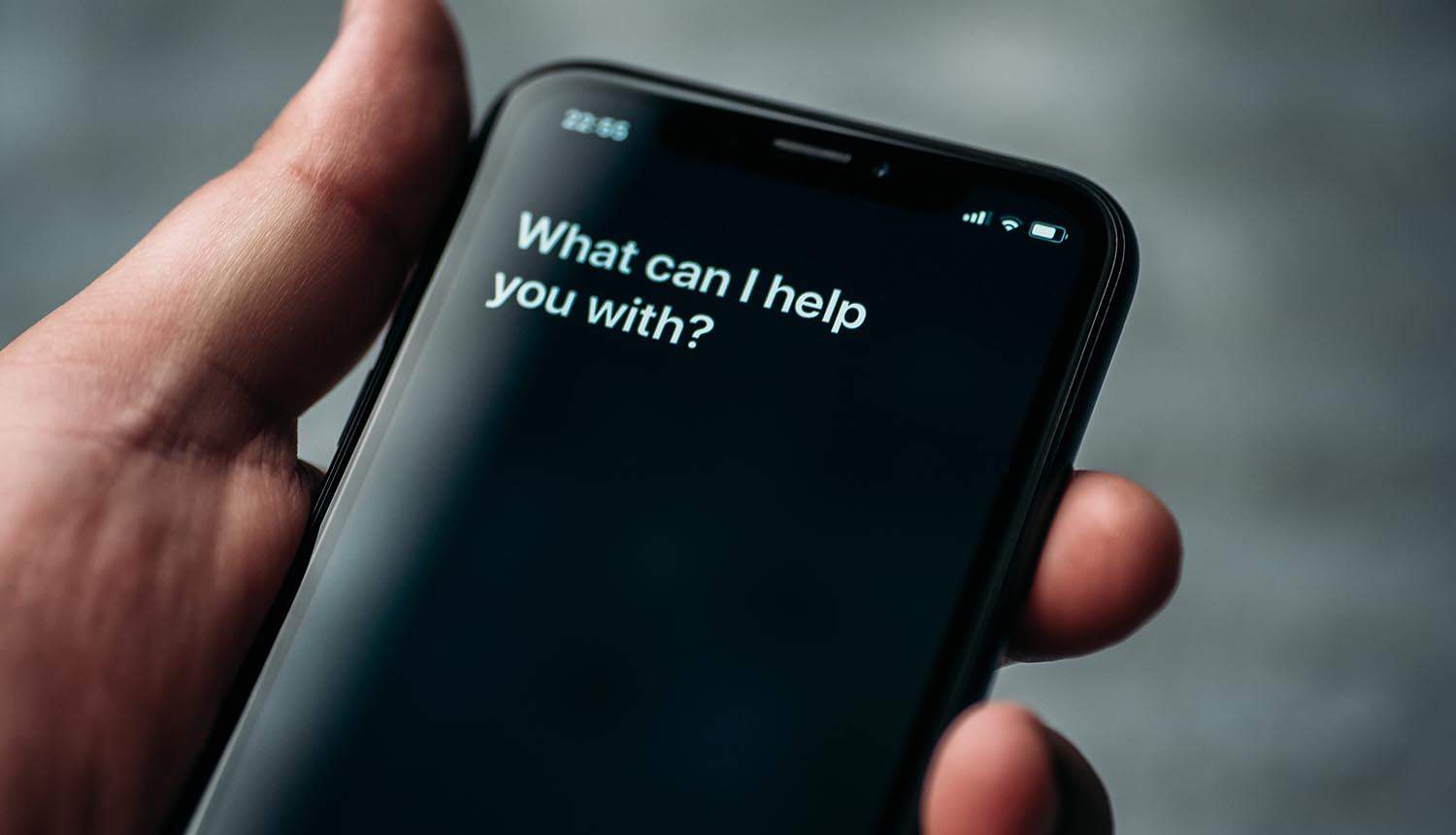
Speech recognition, often called "speech-to-text," is the technique by which a machine or computer software recognizes and analyzes a person's uttered utterances and translates them into text that can be read on a monitor.
Bolstering resistance to devastating electronic attacks requires organizations to take a resilience-oriented approach to cybersecurity. This article offers guidance on a starting point, viewed through the lens of the people, process, and technology dimensions.
Collecting more data without doing due diligence, getting the right team on the ground, and the right AI or processing tools for that team to use, is a massive gamble. You risk spending a lot of money and creating more security risks, without any of the pay off.
There is no question: multi-factor authentication helps protect business-critical resources using password-based authentication. However, how can organizations successfully implement multi-factor authentication for password resets when not every user has a mobile device to verify their identity?
It is no secret how important laptops have become in people's lives. With the advent of the powerful internet, laptops have become an essential part of our life—for work, entertainment and business.