Cybersecurity professionals need to shift their mindsets to assume their network is already compromised. Eliminating single points of failure (SPOF) in their systems is key to creating solutions that are secure by default.
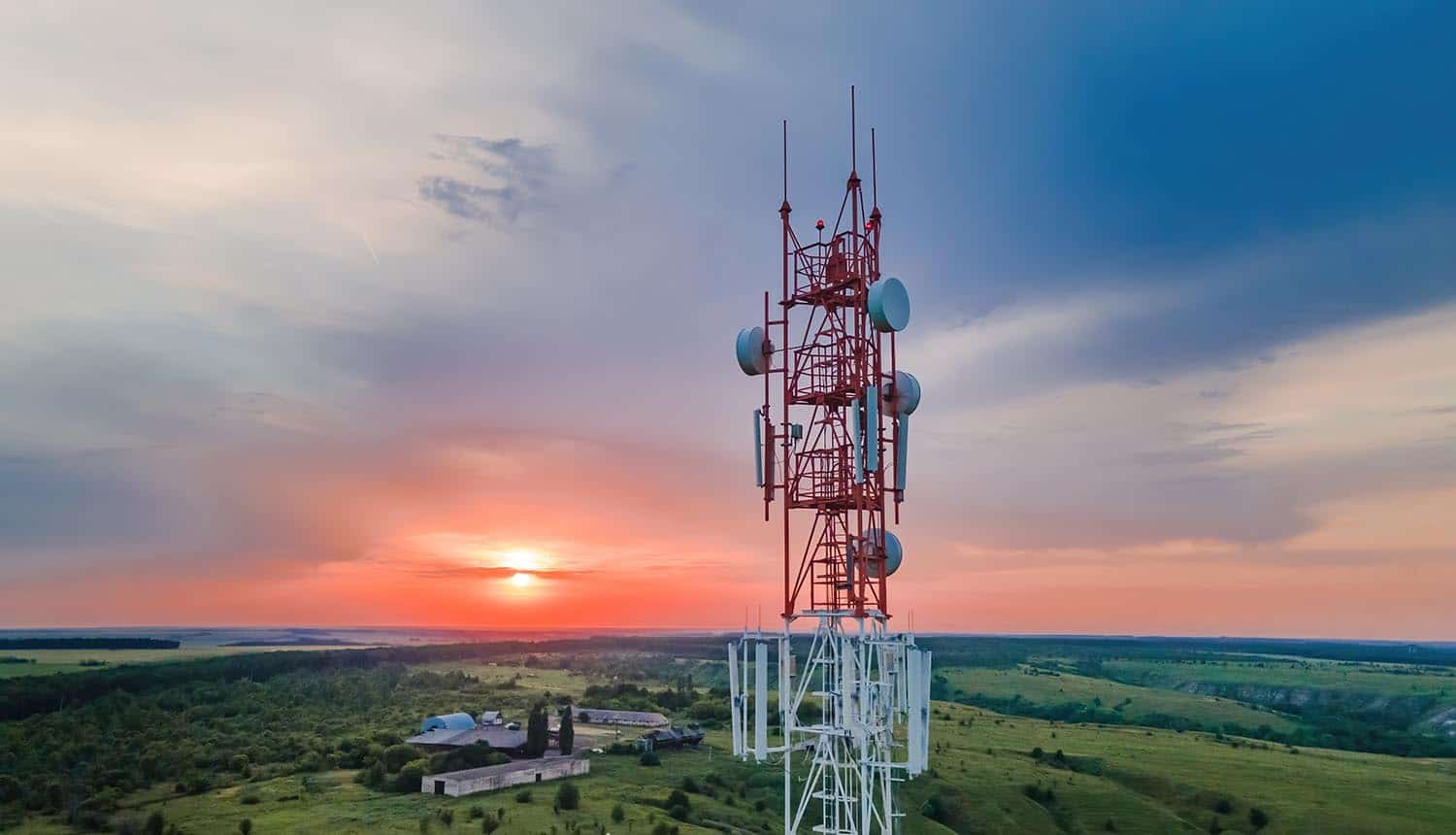
While 5G promises to be faster, more accessible and more secure, network operators are still challenged by legacy signalling protocols that are still readily used today, although security for these is limited.
Businesses are turning to Zero Trust security with multi-factor authentication as a step towards passwordless, which is a key factor in an identity-first cybersecurity strategy.
Shift to remote working has contributed to an unrelenting cybersecurity emergency. Here are three cybersecurity lessons from the pandemic that every organization should learn as they prepare for the future of hybrid work.
A hybrid-remote working model has created a wider attack surface. Many organizations still tend to make critical mistakes with regards to data security that, if left unaddressed, can lead to drastic consequences for the entire business.
Comprehensive mandates like the California Privacy Rights Act (CPRA) require extensive preparation—those with processes in place before it arrives will manage it best, and perhaps even derive benefits from it.
It's now possible for artificial intelligence (AI) programming systems to create false information and present it as fact – and even trick cybersecurity experts into thinking the information is true.
Realizing the growing danger that insider attacks pose to businesses and national security, National Insider Threat Awareness Month has become an annual call for organizations to take preventative actions in an effort to minimize their risk of attacks.
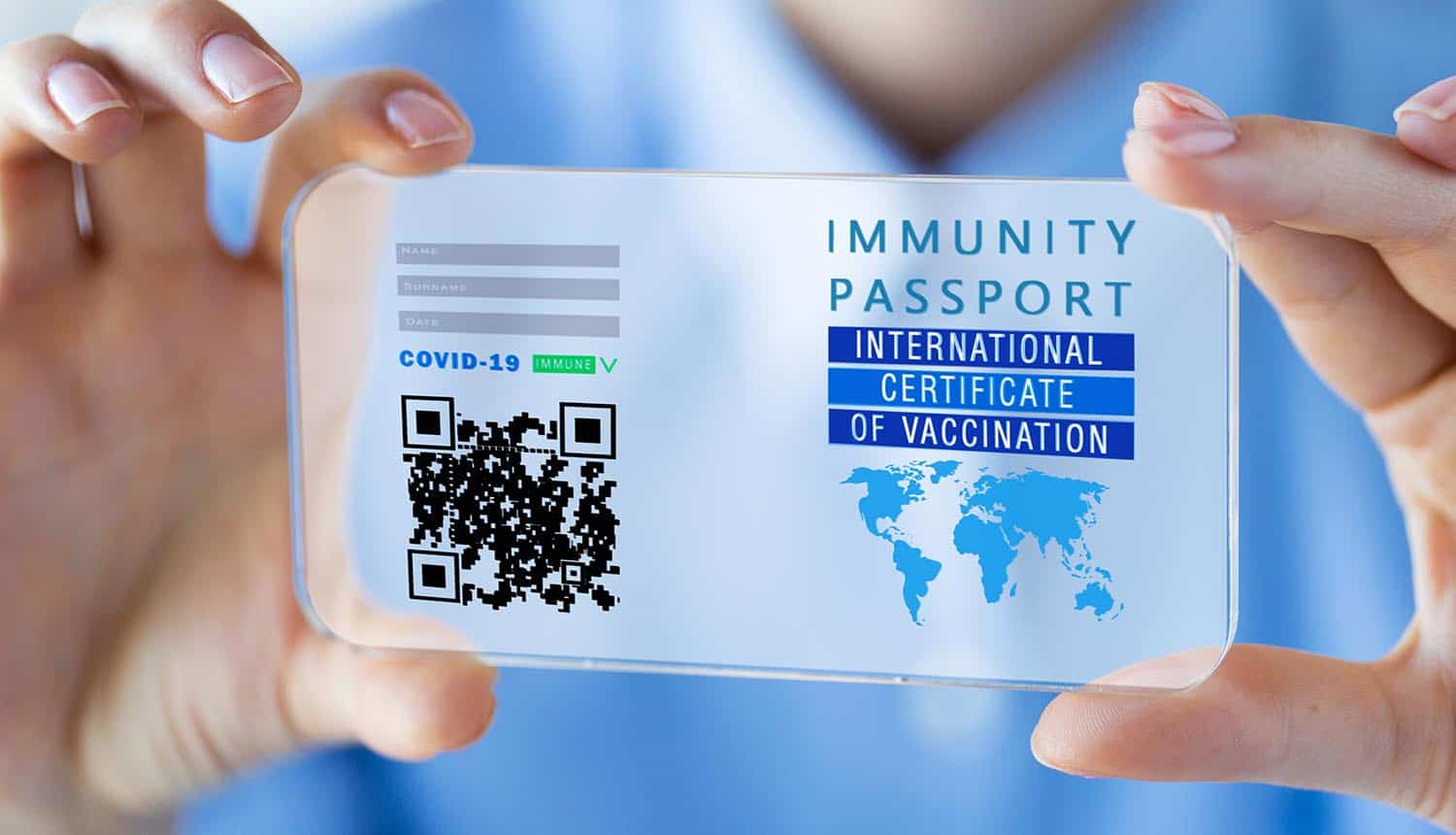
Countries are looking at vaccine passports as the ‘door opener’ for a return to normalcy. At the same time, threat actors know too well that taking advantage of the current pandemic has been a very lucrative over the last 18 months.
Many businesses are still struggling to understand and comply with data protection laws and regulations. Study finds that 62.4% of companies are still not ‘completely compliant’ with data regulations which means vulnerable consumers.