Mass scanning activity targeting VMware servers with the remote code execution security bug after a Chinese researcher released proof of concept (POC) code.
A data breach on consumer lender TMX and its subsidiaries Titlemax, Titlebucks, and Instaloan leaked the personal information, including social security numbers, of 4.8 million customers.
TikTok is no longer welcome on the devices of federal agencies, along with many state governments. But some in Congress are calling for an even broader TikTok ban, to the point of removing it from the country entirely.
The lack of compatibility between the first contact tracing apps from France and Italy highlights a fragmented EU landscape that has yet to have an answer for cross-border movement issues.
A new report indicates that ransomware costs are being cut considerably due to better preparedness. And though cyber insurance claims spiked in early 2021 due to the Microsoft Exchange vulnerability, they have been on a steep downward trend since.
The FBI calculated the cost of BEC attacks to be $43 billion, with a 65% increase between 2019 and 2021. Banks in Thailand, Hong Kong, China, and Singapore were the primary recipients of illicit funds.
Report shows that shadow code from third-party libraries is a risk for web applications and concern for owners afraid of brand damage, lawsuits, and regulatory actions.
Analysis of leaked chats shows that the Russian Conti ransomware gang had developed proof-of-concept code for stealthy firmware attacks targeting Intel's Management Engine.
New FTC rules governing consumer data processing and handling, with a focus on the "commercial surveillance" conducted by data brokers, have entered a public comment period.
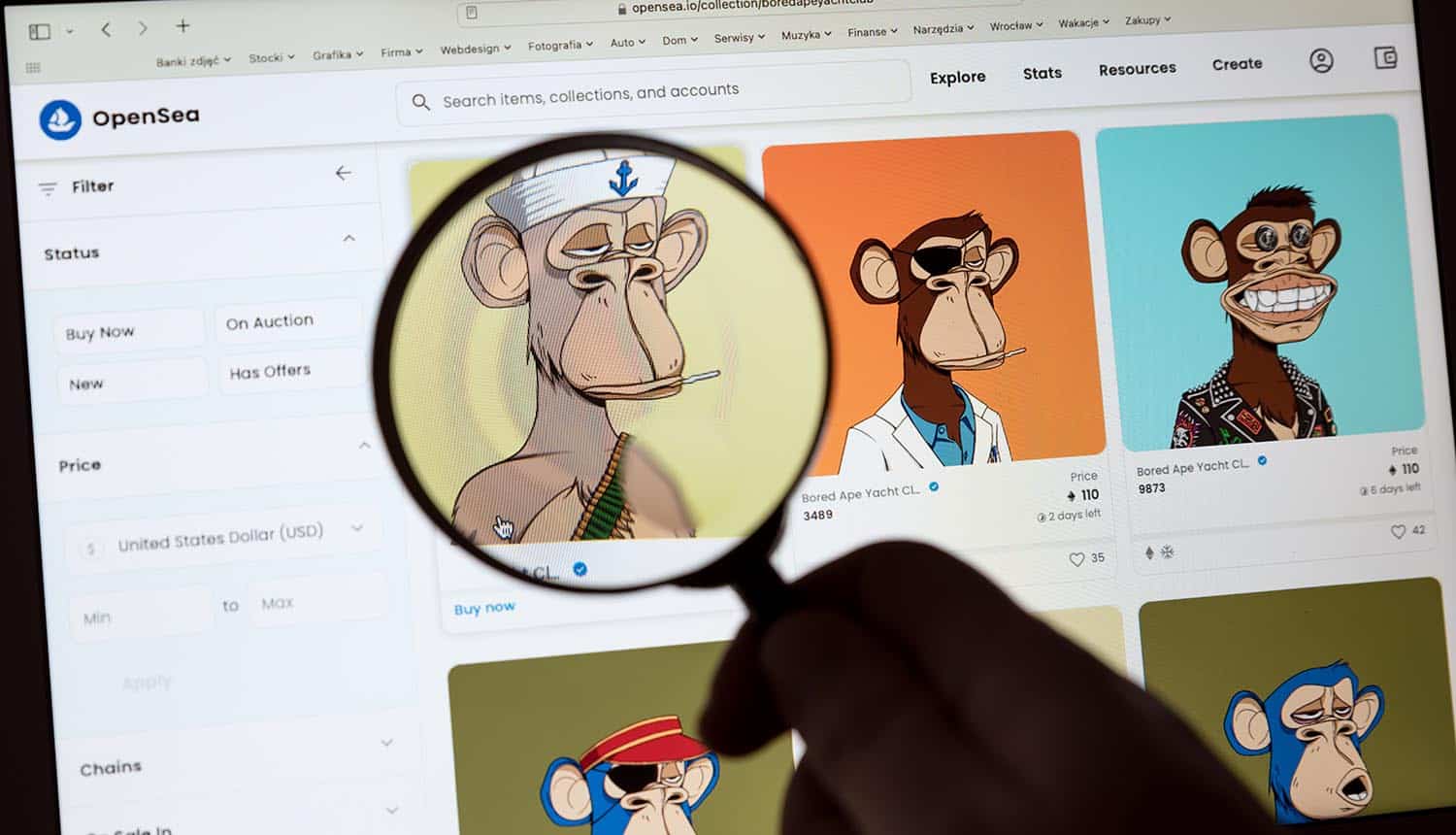
The attack on the OpenSea NFT marketplace does not appear to be a code issue or vulnerability, the phishing attacks apparently involved unknown threat actors approaching individual users and tricking them into signing a malicious payload.