Facebook data breach comes hot on the heels of the Cambridge Analytica scandal, and resulted in 50 million compromised accounts. This is proving to be a tough year for Facebook.
The immediate order to cease use of Google Analytics pertains to a particular French website that was the subject of a GDPR complaint over data transfers, but signs show it expanding to the rest of the EU before long.
DICOM medical records systems that are commonly used to store sensitive images were found to expose billion of medical records just by scanning the server IP addresses and known ports.
After being pulled into an early July meeting with regulators over uncompetitive savings rates, some UK banks are now blaming data protection laws for consumer financial woes, claiming that rules forbid them from communicating better options to customers.
Researchers discovered thousands of Amazon RDS snapshots shared publicly either accidentally or deliberately that were inadvertently leaking clients’ personally identifiable information (PII).
AI deepfakes were used to contact three foreign ministers, a US Governor, and a member of Congress around the middle of June via the Signal messaging app. Two of the officials received fake voicemail messages mocked up to use Rubio's voice, and another received an invite to join a chat.
Daily fantasy sports and gambling platform DraftKings has confirmed that numerous user accounts were compromised following a series of credential stuffing attacks.
Facial recognition firm Clearview AI is facing a new lawsuit for violating Illinois state privacy laws for trawling public sources to vacuum up pictures of millions of people without consent.
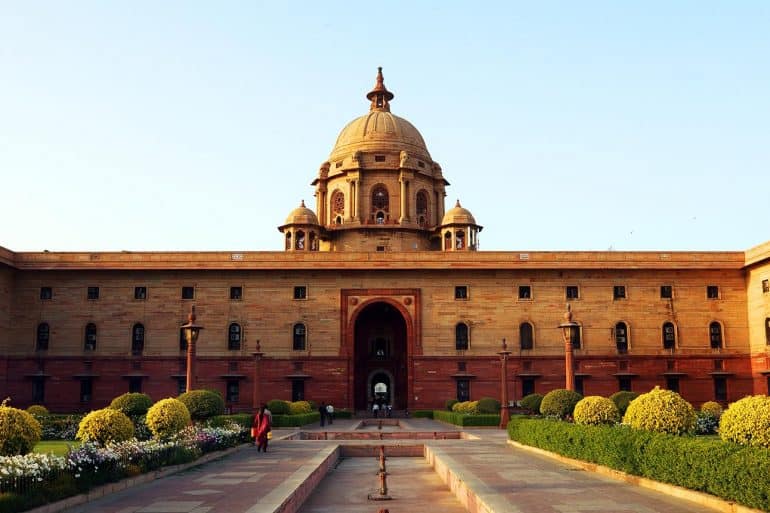
India's data protection law is already being criticized, with some claiming it does too little by not giving the data protection authority sufficient power to bring violators to justice; and others fearing it goes too far with the potential for mass surveillance
Phishing emails were sent to DoD vendors to capture login credentials on lookalike vendor payment website. The hackers then routed payments to shell entity.