Uber cybersecurity incident was the result of social engineering by teenage hacker. Network breach was a total compromise and that the attacker had full access to Uber's systems.
The Chinese government claims that the NSA is conducting cyber espionage with repeated attacks on an aerospace and space research university funded by Beijing.
The Department of Education, FBI, and DHS CISA responded to a cyber attack and confirmed a ransomware incident on the second-largest school district, Los Angeles School District (LAUSD), over the Labor Day Weekend.
The Lazarus hackers are generally in pursuit of profit. But in this case, the main interest appears to be cyber espionage. A report indicates that the group is targeting the Log4j vulnerability in energy companies.
A credential stuffing attack on American outdoor apparel company, The North Face, compromised nearly 200,000 accounts just two years after a similar incident.
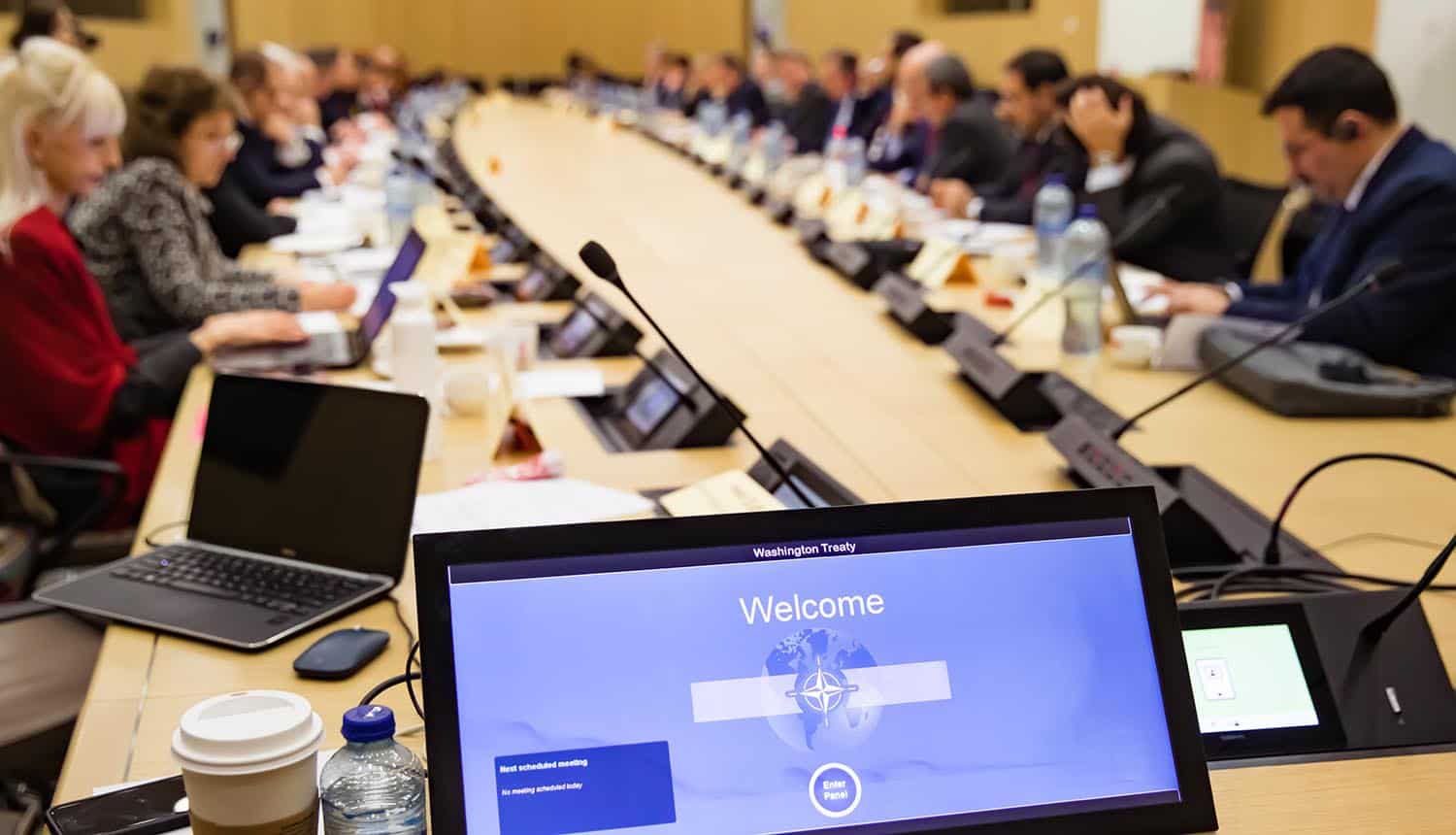
Hundreds of NATO documents of "extreme gravity" were reportedly stolen and made available on the dark web, and the Portuguese government is facing tough questions about why the breach was not discovered for weeks.
Russian hackers affiliated with the Killnet group executed a DDoS cyber attack that rendered 20 Japanese government websites inaccessible, including a tax and an e-Government portal.
Attack campaigns conducted against Ukrainian government agencies and businesses have been linked to an initial access broker that appears to be staffed with former members of the Conti ransomware gang.
A legal challenge to the US Treasury sanction on crypto mixer Tornado Cash is now being funded by Coinbase. The results could have a much broader impact on software and developers.
Prime Minister Edi Rama ended diplomatic ties with Iran in a video statement on September 7, citing the July cyber attack and requiring the country's embassy staff to leave within 24 hours.