All citizens in Kazakhstan are forced to install a government-issued national security certificate as part of Internet surveillance strategy. This certificate will allow government to read all their messages or even alter them.
Two security researchers discovered that nearby attackers could compromise keyless entry systems through replay attacks to unlock doors and start engines of several Honda models.
A ransomware attack on KFC, Pizza Hut, and Taco Bell parent company Yum! Brands shut down 300 restaurants in the United Kingdom and leaked the company's corporate data.
Kia Motors America suffered a suspected DoppelPaymer ransomware attack that shut down internal and customer-facing systems. Hackers demanded 404 Bitcoins worth about $20 million.
Pro-Russian Killnet DDoS group took responsibility for the cyber attack that shut down the EU parliament website after members passed a resolution designating Russia as a state sponsor of terrorism.
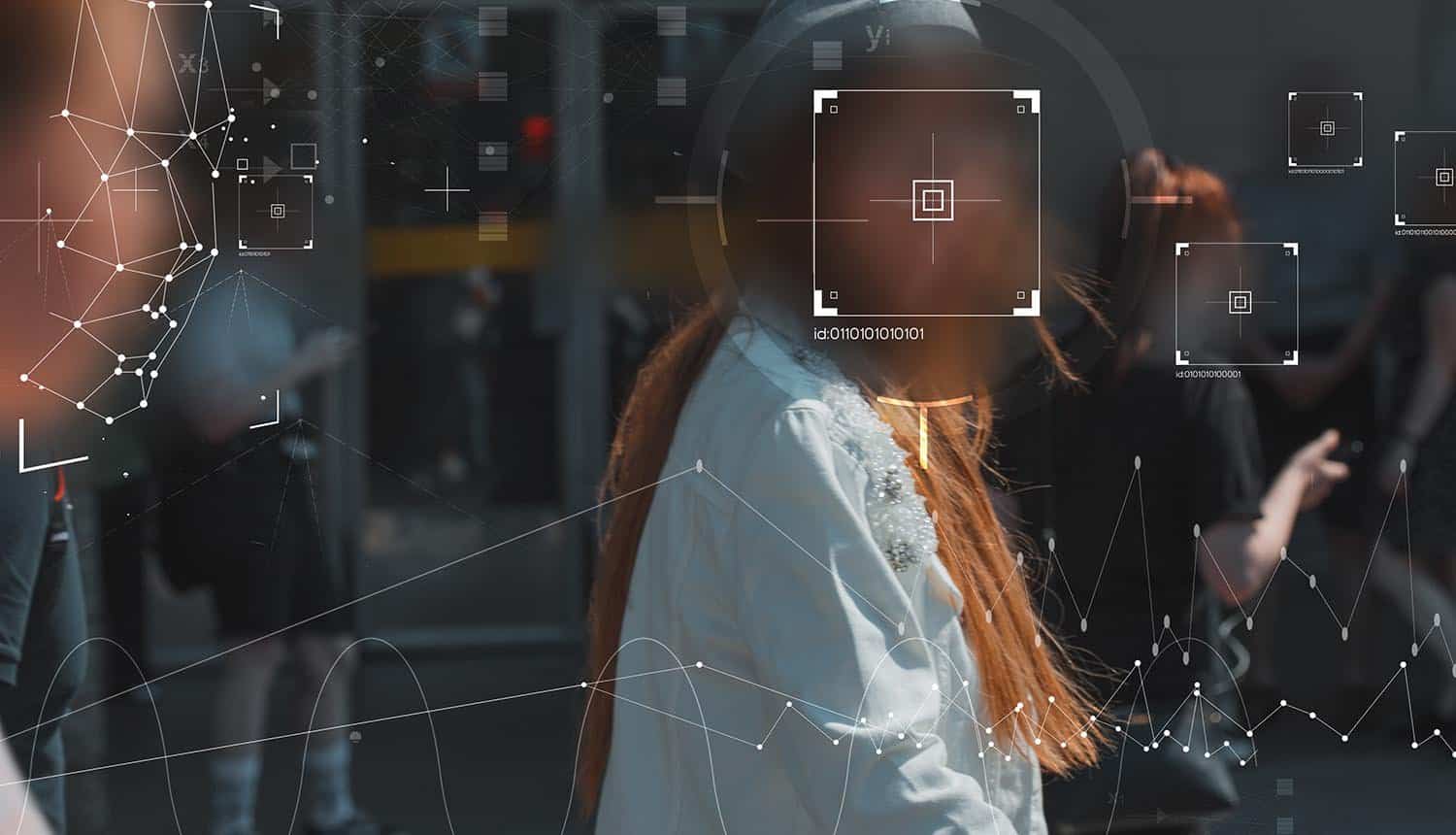
Kmart is not being fined for a breach of privacy laws, but will have to publish a statement on its website (within 30 days) that explains how it used facial recognition technology during this period and why it was found to be in violation. It must also cease this practice going forward, or face the possibility of future fines and legal action.
Remote attackers and unauthorized users could access sensitive patient data and disrupt patient care via known security vulnerabilities present in 75% of medical infusion pumps.
Kodak has confirmed a data breach after the notorious hacking group ShinyHunters claimed responsibility for the attack and threatened to leak the stolen information on the dark web.
A supply chain data breach at Korean Air by Clop ransomware has impacted 30,000 employees following a potential compromise of Oracle E-Business Suite Applications (EBS).
A rash of car thefts has erupted as some of the Korean car-makers models have a USB-A shaped slot that can be exposed by removing the steering column cover, and this slot grants direct access to the engine.