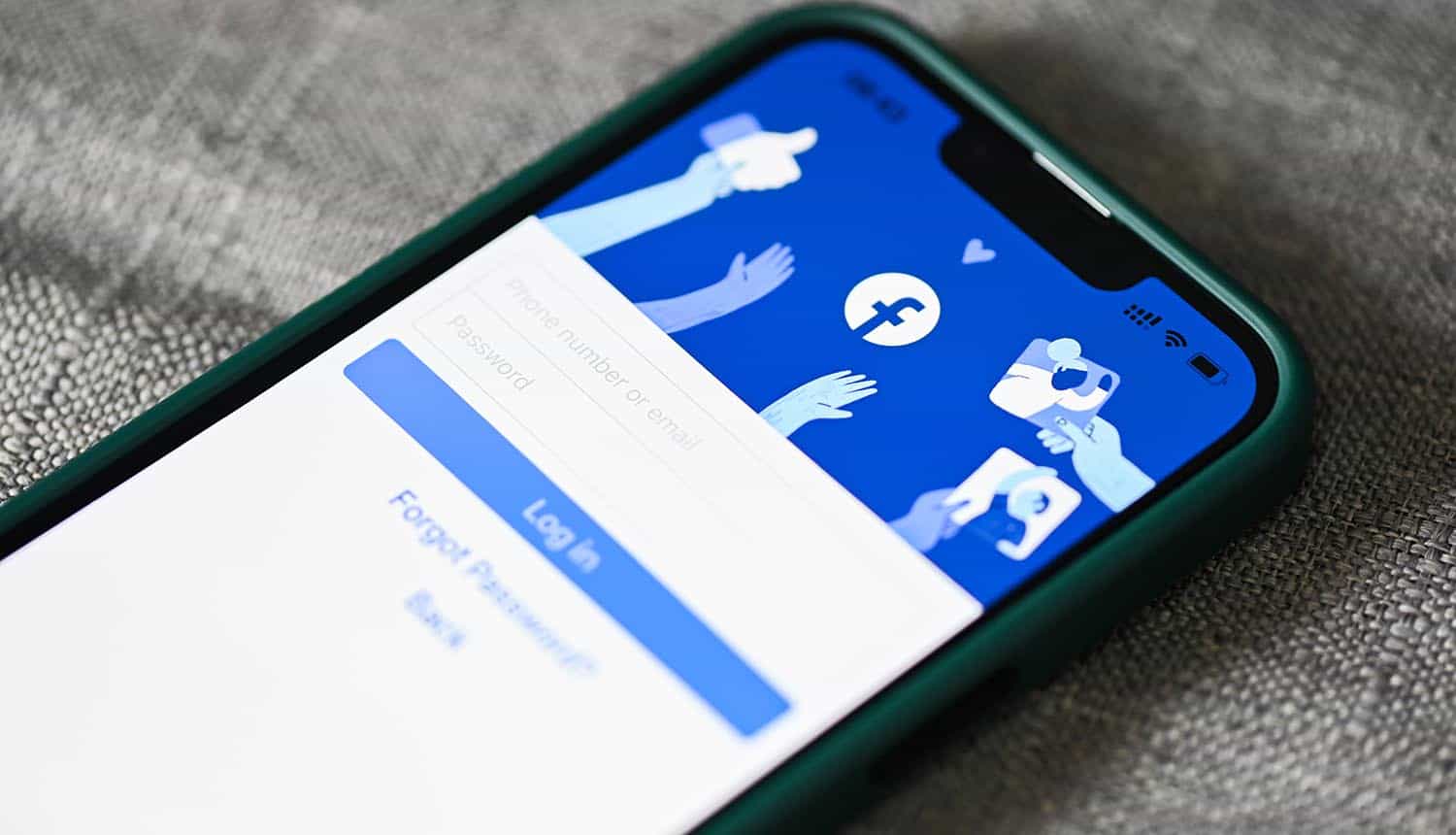
Researchers have discovered a new phishing campaign leveraging Facebook posts to bypass email security and steal users' account credentials and personal information.
A dark web forum recruited affiliates in a phishing campaign targeting YouTube creators with cookie stealing malware to hijack their accounts and stream cryptocurrency scams.
Phishing emails were sent to DoD vendors to capture login credentials on lookalike vendor payment website. The hackers then routed payments to shell entity.
MetaMask, a popular crypto wallet app, has a default setting, apparently unbeknownst to many users, that automatically writes the recovery seed phrase for the wallet to the user's iCloud backups.
US government employees will soon be required to use a stronger measure of multi-factor authentication to access their work accounts. Aimed at putting an end to phishing, the measure is phasing out less secure forms of authentication.
PHP open-source team averted a potential supply chain attack after hackers compromised their self-managed Git server and inserted malicious code in PHP’s “under development” version.
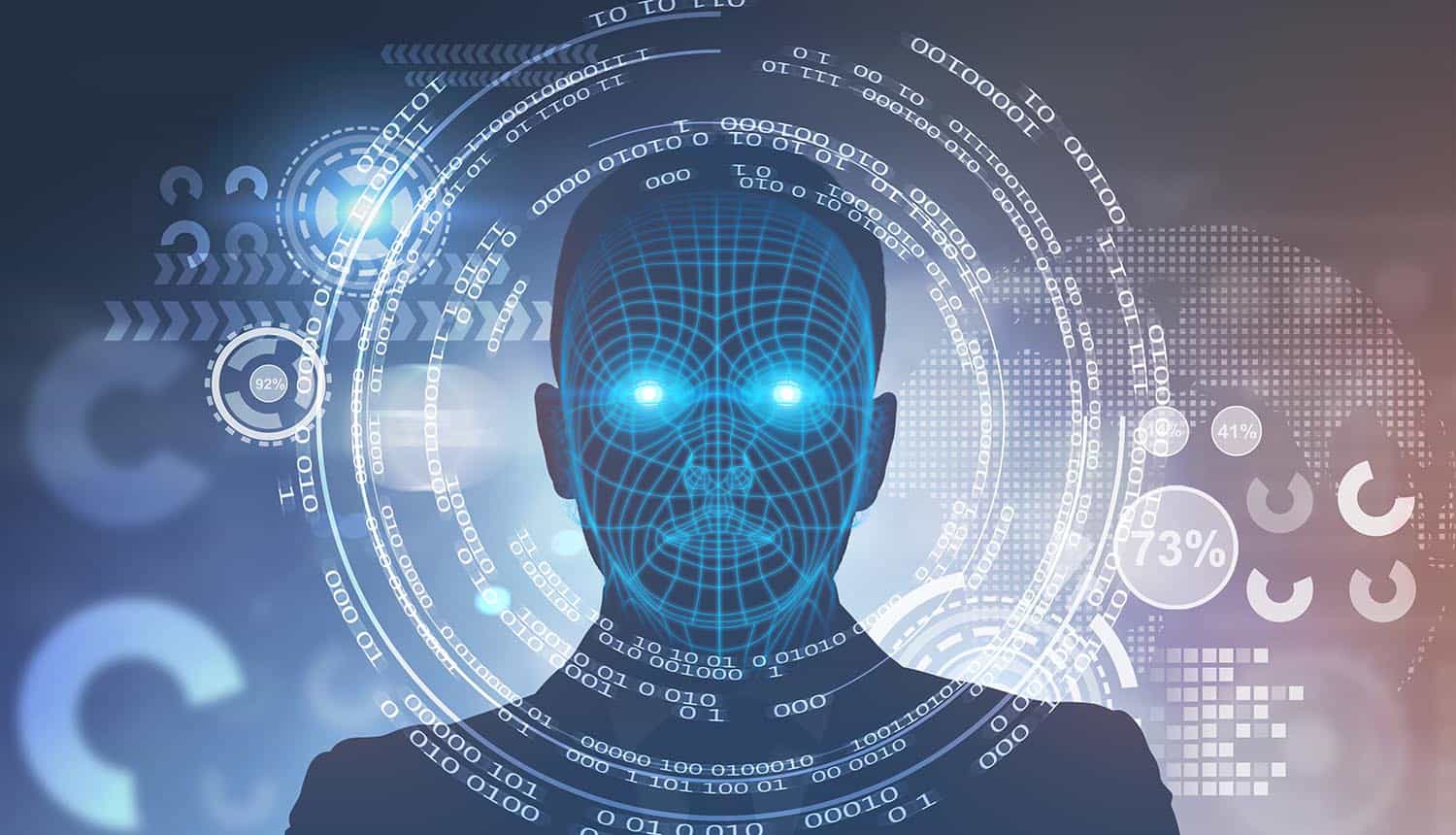
Face search engines that trawl the internet are not a new concept, but this apparent level of accuracy (backed by an advanced AI algorithm) has not previously been made available to the general public.
The noyb privacy complaint notes that Pinterest has invoked the "legitimate interest" exception to user consent for ad tracking, one of a small handful of such exceptions provided for by the GDPR. The problem for the company is that Meta has already tried this tack and failed.
Pizza Hut Australia has sent data breach notifications to 193,000 customers after a third party accessed a database containing personal and transactional information.
The government of Singapore is rolling out biometric facial verification technology as part of its national digital ID system, something that has privacy advocates concerned.