U.S. face cyber challenges amidst the pandemic with a DDoS attack on Federal health agency and an ongoing disinformation campaign that sows fear and confusion in the public.
Facial recognition firm Clearview AI has become the victim of a data breach after a hacker “gained unauthorized access” to the company’s entire client list, exposing for the first time the details of the organizations which work with the controversial firm.
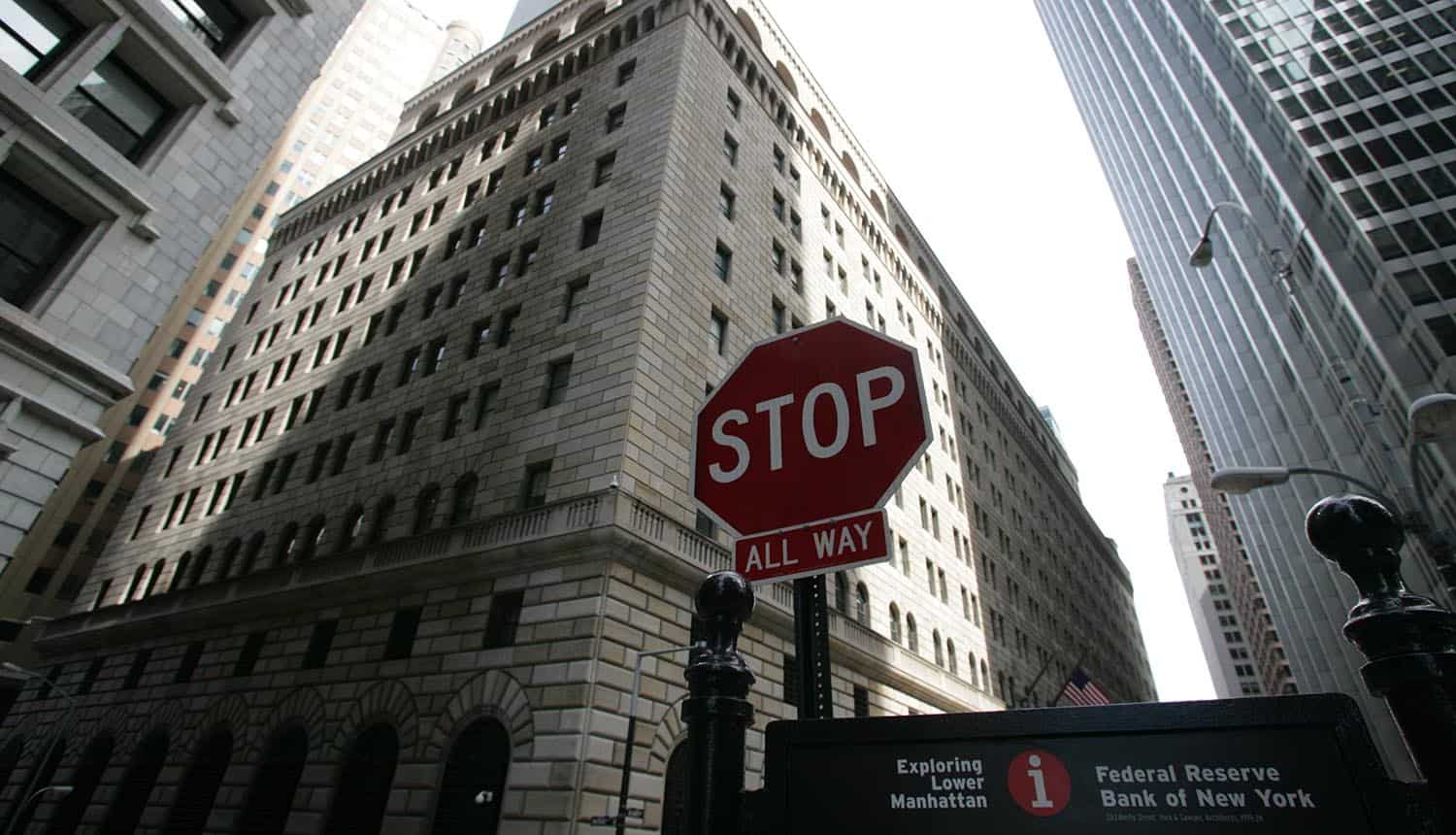
Major U.S. banks are blocking third-party AI agents from accessing customer accounts amid concerns that they could take actions customers did not request.
Google is making massive annual payments to Apple to be placed as the default search engine on its devices. Research indicates a price of $15 billion for the privilege in 2021.
The White House budget is seeking a $145 million increase in cybersecurity spending for CISA, $245 million for training cybersecurity professionals in the energy sector, $63 million for the FBI's cyber investigations division, and $215 million for the Treasury Department to implement zero trust architecture and generally bolster its cyber defenses.
The Medusa ransomware gang is claiming responsibility for an alleged NASCAR data breach that allegedly leaked one terabyte of data.
KP Snacks notified its partners to expect supply chain problems after a ransomware attack encrypted its IT systems, preventing order placement and shipment of deliveries.
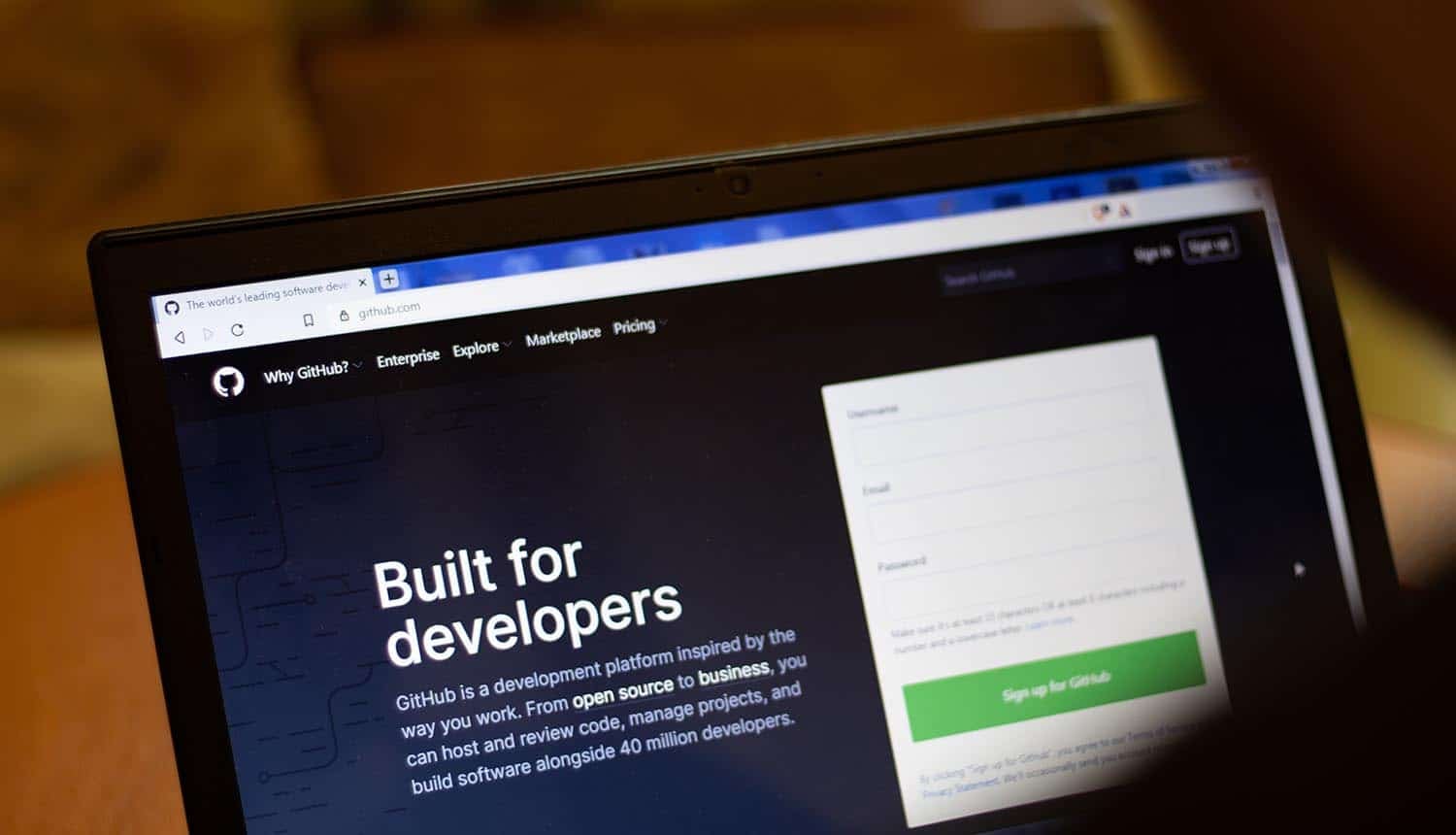
On May 19 GitHub confirmed the security breach across its social media channels, verifying that there was unauthorized access to internal repositories and stating that it was monitoring the situation for further activity. It also said that it had no evidence that information stored in customer repositories or internal information about customers was compromised.
Small businesses with under AUD 3 million annual turnover have been exempt from Australia's Privacy Act terms to date, but that has been taken off the table in a new round of reforms that could become law in 2024.
Landmark ruling affirms the right of private individuals to sue companies like Google and Facebook if they collect their biometric data without their written consent, even if there was no “harm” to the individuals.