ATM machines have always represented a “soft target” in the minds of criminals. What’s now clear is that the ATM card skimmer scams of years past pale in comparison with what’s possible now with jackpotting scams with cyber criminals turning every ATM they visit into casino slot machines with huge jackpots.
UK's ICO is increasingly active in their efforts to reduce offences in anti-spam regulations and data breaches. In 2017, we witnessed an annual rise in fines of nearly 69 percent, from £2.9 to £4.9 million. A total of 104 companies has been fined a total of £8.7 million for failures since August 2015.
There's a need to secure offline, rather than online, microfinancing solutions. The future rests in the power of embeddable microchips and the power of process isolation by inserting a Linux-powered computer into the architecture of an non-secure IoT device to create a hardware Root of Trust.
Social fitness apps such as Strava need to be doing more to enhance user privacy and safety. The recent snafu involving the disclosure of U.S. military personnel location data has increased awareness of the perils created by tracking apps. Learn more about how these apps are collecting data, and how they are using it.
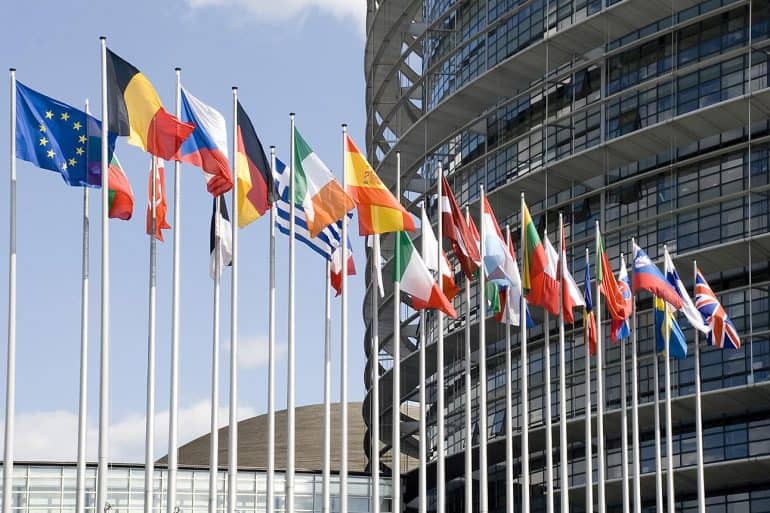
Less than 100 days to go, and so far only two European countries have adapted their laws to be ready for GDPR. While the GDPR aims to harmonize rules across the European Union and to benefit companies to deal with just one law, many member states are eyeing possible exemptions as they change their national laws.
For years, IoT developers have focused too much on availability, and not enough on privacy and confidentiality. This mindset appears to be shifting and the NIST report is proof of a growing recognition that there needs to be universal standards in place to improve the privacy and security of any IoT system.
Personal data protection is a fundamental EU right and is not negotiable in trade deals, The European Commission has provided four conditions for international data flows to comply with the GDPR. Yet, there is a “get out of jail free card,” allowing restrictions to be reviewed and accorded "sympathetic" consideration.
Google has tried to clean up its Gmail privacy practices, saying that it will no longer use or scan Gmail content for any advertising purposes. Now, Gallo is representing consumers who never signed up for a Google account or Gmail account, but who still had their email messages read. This could be a real game-changer.
Latest variant of Fakebank Android malware adds even more functional threats to banking clients – in the form of ‘vishing’ (voice phishing). It can now intercept outgoing and incoming calls which is then redirected to scammers which allows them to pose as legitimate employees of the bank.
Seventy percent of security pros want governments to impose social media regulation for the collection of personal data by social media companies. Yet, expectations are hazy and 72% also indicated that they have little to no faith that government officials have an understanding of the threats to digital privacy.