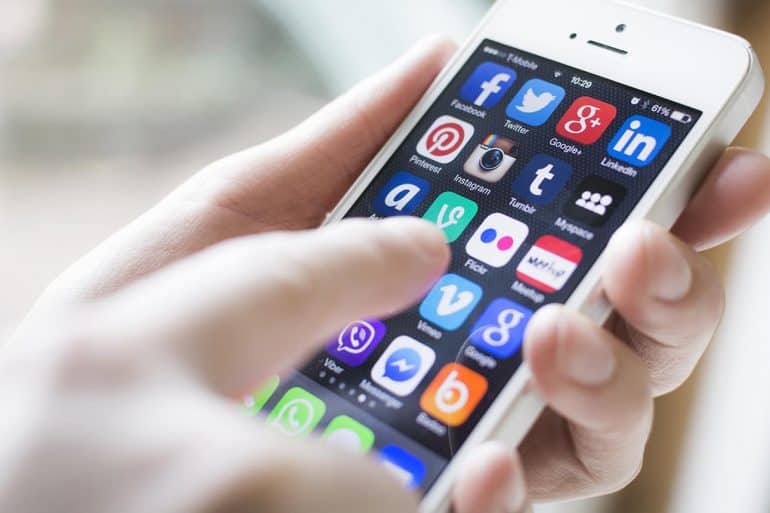
Think fake mobile apps are just displaying annoying advertisements? Think again as attackers are using them to steal data, extort ransoms or even infiltrate to company network through your phone.
In the competitive world of mobile app development, companies need to take mobile app security as an important factor to protect consumer data and privacy.
According to new research, brand-new Android smartphones comes with pre-installed apps which are used for data harvesting, tracking and monitoring, all without the knowledge of the user.
With mobile comes great opportunities both for consumers and businesses, but also for criminals. Over half of businesses surveyed in the Sixth Annual Fraud Report from IDology experienced an increase in mobile fraud. What is the cause?
Many of the most popular iPhone apps are, without user privacy consent, using “session replay” technology that makes it possible to record their every touch, tap or swipe.
Facebook is once again coming under public scrutiny after a comprehensive report from Privacy International showed how many popular Android apps are sharing personal user data with Facebook without user consent.
Without your knowledge or consent, the leading mobile phone carriers in the United States may be actively selling your location data to third-party vendors. And, in turn, these vendors are re-selling this data to an expanding network of shady middlemen.
According to a recent New York Times investigative report, your precise location can be tracked up to 14,000 times per day. And location data is being traded on an increasingly robust secondary market, often without your knowledge.
If you’re going to download freemium mobile apps, just make sure you know the true cost of paying for a product - possibly having your information compromised or your privacy violated.
Mobile app makers can now use uninstall tracking software to inundate ex-users with advertising designed to win them back. Can app developers continue to use customer data for any purpose which fits their business model – even after users have deleted the mobile app?