To achieve the full promise of cloud and digital transformation, enterprises must transform not just their networking but also security architectures. SASE is moving organisations in this new direction.
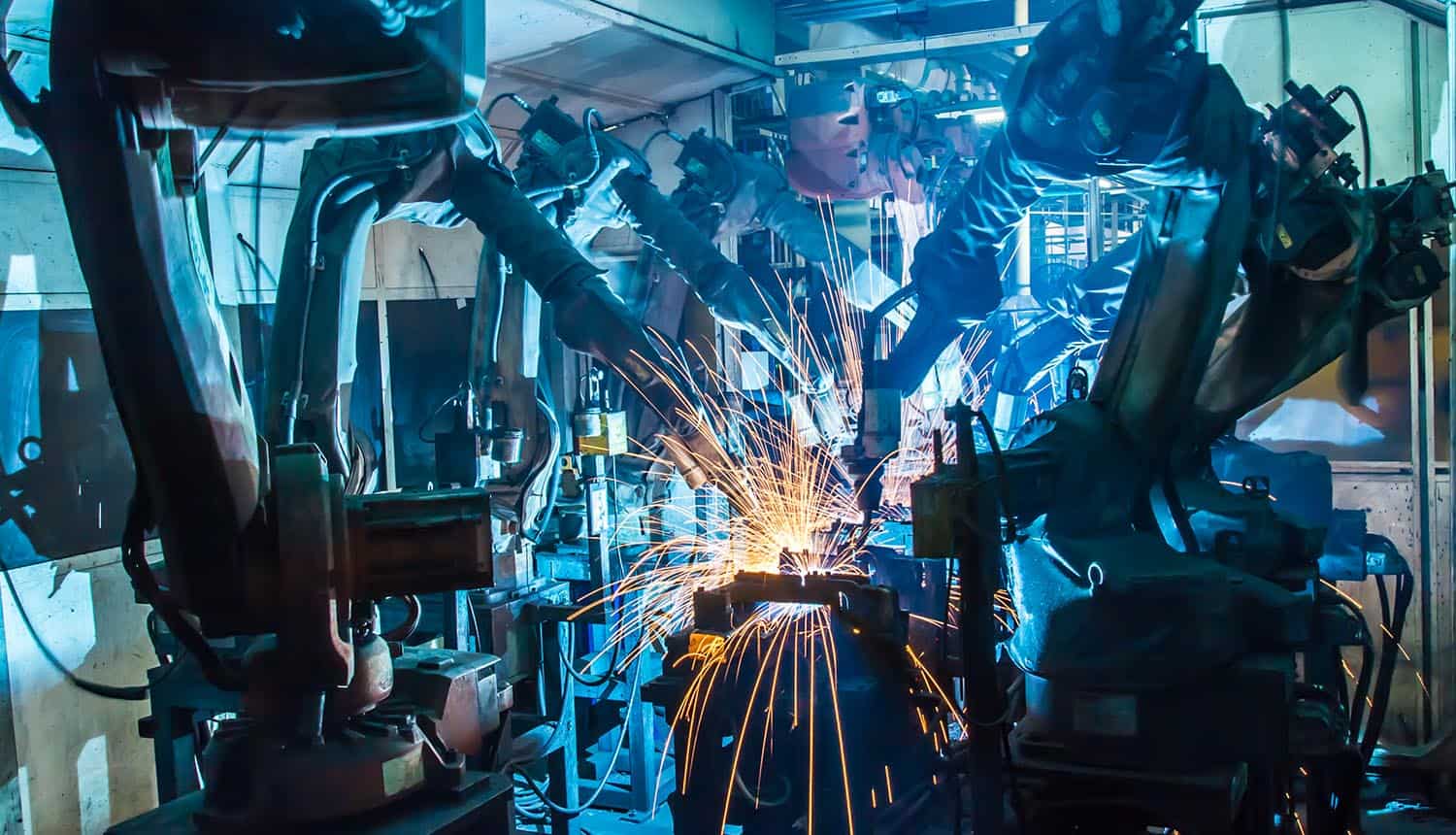
When implemented holistically, a zero-trust manufacturing architecture will ensure that a product’s firmware, data and digital credentials can be trusted through every step of the manufacturing supply chain.
Remote work has put more pressure on the technology that companies have in place. What is important heading into 2021 is that we look at what went well, what has to change, and what lessons we can learn.
Recent Russian hack that hit the Pentagon and multiple U.S. agencies should jolt enterprises from any lingering “breach fatigue” and jump-start efforts around cybersecurity.
Enterprises seeking a singular authentication model are increasingly taking a Zero Trust approach. Even so, some IT teams are wondering if you can really trust Zero Trust.
With Zero Trust 2.0, the same level of security is maintained, but through intelligent passive indicators rather than the layered authentication approach of its predecessor.
Since patching is problematic and traditional perimeter security is ineffective for Ripple20 vulnerabilities, Zero Trust security may be the right answer.
Russian hackers have been kicking up ransomware attacks to exploit new work habits leaves many companies needing to rethink how they approach security.