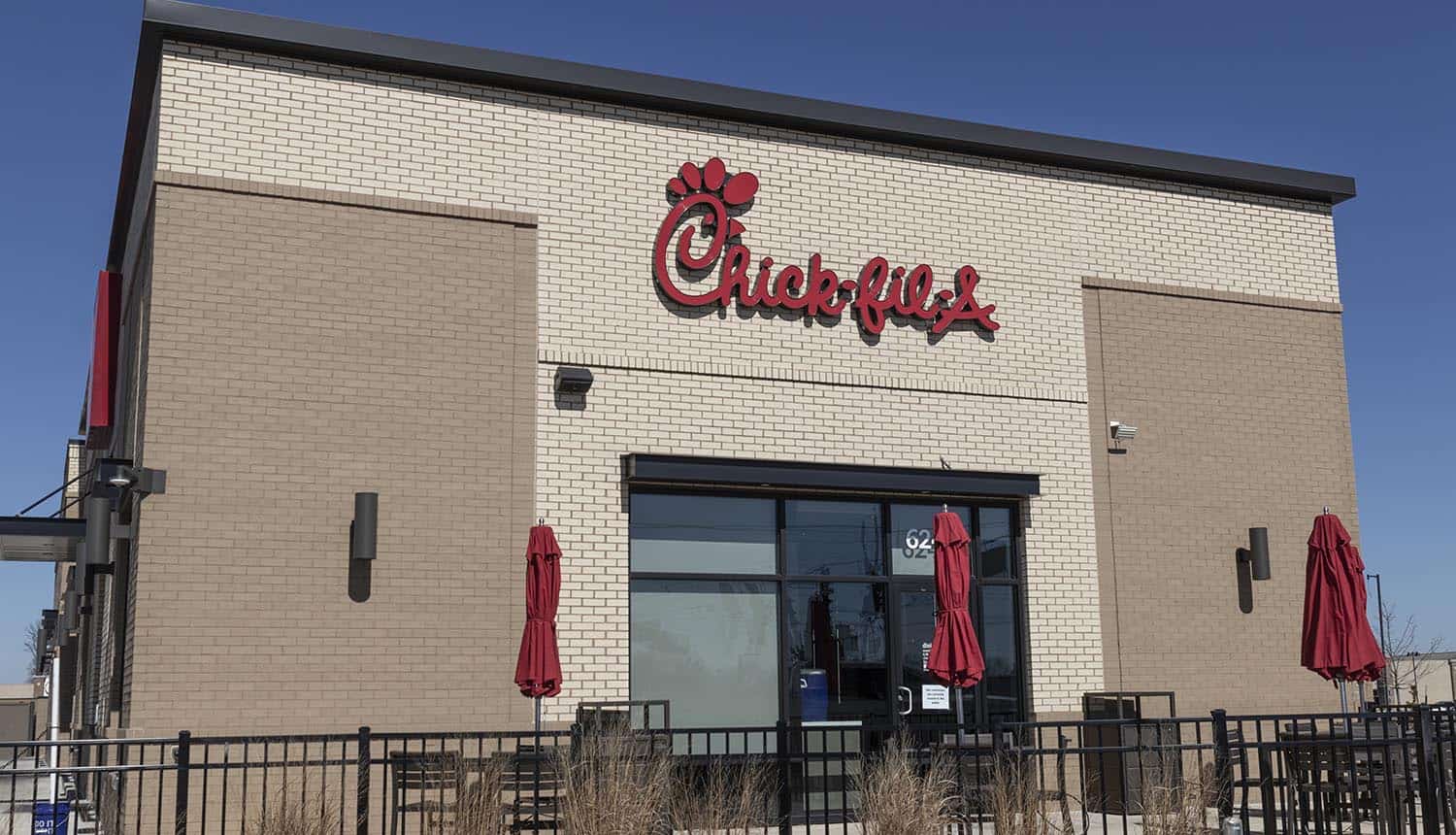
Fast food chain Chick-fil-A has experienced a data breach stemming from credential stuffing attacks using login details from a third-party source to compromise accounts.
Cyber Security
Cyber criminals, state-sponsored hackers and even the occasional disgruntled employee are constantly looking to gain unauthorized access for a variety of purposes: theft of money, cyber espionage, personal information for sale or for use in scams, and damage to critical infrastructure for just a few of the most common.
So how does an organization mitigate an entire world full of continual cyber attacks? Just as buildings have a number of necessary elements of physical security: access control, cameras, alarms and so on; there are similar key elements of cyber security that are absolutely vital for just about any modern business.
It starts with identifying and closing the most common doors that attackers use. For example, phishing attacks on employees are far and away the most common initial point of entry. The breach of even a low-level employee account can quickly turn into an escalation in access privileges and the ability to reach sensitive information. This is also true of smart devices, which are generally more poorly secured than computers and phones.
The total cost of cybercrime jumped to $12.5 billion in 2023, and the FBI logged a record 880,418 complaints (a 10% increase from the previous year). This is in part being fed by ransomware attacks, which came close to doubling in total cost from 2022 to 2023.
The FBI warned that BlackCat ransomware had compromised 60 organizations worldwide as of March 2022 and demanded millions in ransom payment. Alert linked BlackCat to the now-defunct BlackMatter ransomware group.
New FBI alert warns of cybercriminals targeting mobile banking apps during the Coronavirus pandemic which has witnessed a 50% rise in adoption of online banking.
The FBI warned about the prevalent use of proxies and configurations to mask and automate credential stuffing attacks. Threat actors extensively leveraged residential proxies instead of those connected to data centers to avoid triggering suspicious behavior monitors.
The FBI has warned about North Korean hackers Kimsuky leveraging QR codes in phishing attacks targeting U.S. and foreign government entities, academia, think tanks, and others.
The FBI warned higher education institutions that cyber criminals were selling their login credentials on publicly-accessible and dark web Russian hacker forums.
The Department of Education, FBI, and DHS CISA responded to a cyber attack and confirmed a ransomware incident on the second-largest school district, Los Angeles School District (LAUSD), over the Labor Day Weekend.
New vishing trend is thought to be responsible for the successful breaches of Twitter and several other high-profile targets in recent months.
The FBI and DOJ have seized a hacking platform operated by the Chinese state-sponsored threat actor QTFY, which was used to target critical infrastructure and conduct espionage.