A massive data breach has exposed a trove of personal information after a threat actor compromised a French hospital’s electronic...
Cyber Security
Cyber criminals, state-sponsored hackers and even the occasional disgruntled employee are constantly looking to gain unauthorized access for a variety of purposes: theft of money, cyber espionage, personal information for sale or for use in scams, and damage to critical infrastructure for just a few of the most common.
So how does an organization mitigate an entire world full of continual cyber attacks? Just as buildings have a number of necessary elements of physical security: access control, cameras, alarms and so on; there are similar key elements of cyber security that are absolutely vital for just about any modern business.
It starts with identifying and closing the most common doors that attackers use. For example, phishing attacks on employees are far and away the most common initial point of entry. The breach of even a low-level employee account can quickly turn into an escalation in access privileges and the ability to reach sensitive information. This is also true of smart devices, which are generally more poorly secured than computers and phones.

French luxury giant Chanel has experienced a third-party data breach stemming from the ongoing Salesforce voice phishing campaign by ShinyHunters, affecting over a dozen companies.
French luxury giant Dior suffered a cyber attack that resulted in a data breach in numerous countries after unauthorized individuals accessed its information systems.
Cyber risk has become a barometer for corporate resilience and trust. As the landscape accelerates, boards are expanding how they engage with performance, talent, and technical insight to keep pace with rising expectations. In today’s environment, traditional rhythms are giving way to more dynamic approaches that reflect the speed of change.
For fraud and AML leaders, the solution isn’t choosing between technology and people, but rather empowering teams with the right technology. AI agents are the key to this transformation with the ability to supercharge fraud and AML teams across end-to-end workflows with human-in-the-loop control.
For years, many organizations treated cybersecurity training as a mere compliance requirement. But today’s executive teams are taking a radically different approach. They're recasting cyber-readiness from a perfunctory task into a strategic lever for business resilience and growth.
In today’s threat landscape, security professionals aren’t short on signals. Rather, they’re drowning in them. From endpoint telemetry to user activity to cloud platform events, we’re collecting more indicators than ever before. Despite the volume of alerts, or perhaps because of them, organizations still struggle to detect threats early and accurately.
A cyber attack by a suspected cybercrime group has forced Frontier Communications, a Dallas, Texas-based optic-fiber Internet provider, to temporarily shut down its information systems to contain the incident.
As regulators get more serious about enforcing data protection rules, the severity of penalties issued against enterprises who fail to secure their customer data continues to grow and there's higher demand for better executive accountability as seen in the recent cases of Uber and Drizly.
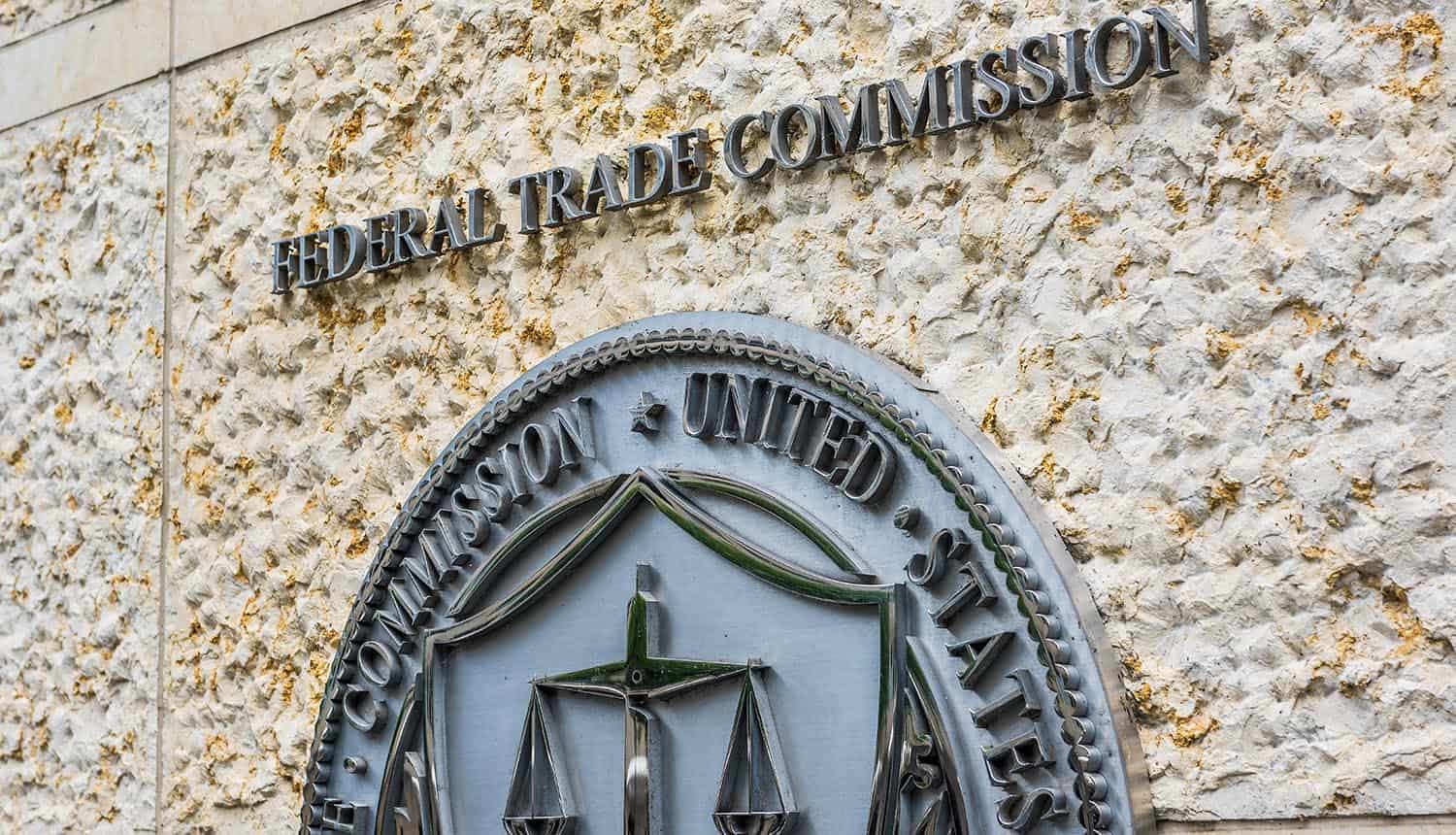
A series of moves by the Trump administration in the past week seems to signal sensitivity to public negative sentiment toward US-based frontier AI developers and their rogue "misaligned" models. Not the least of these moves is the escalation of an ongoing FTC investigation into the AI safety practices of leading developers.