For organisations to thrive, they need to prioritise outcomes in their IT investments, leverage trusted industry ecosystems and demonstrate an ability to adapt operating models to customer requirements.
Cyber Security
Cyber criminals, state-sponsored hackers and even the occasional disgruntled employee are constantly looking to gain unauthorized access for a variety of purposes: theft of money, cyber espionage, personal information for sale or for use in scams, and damage to critical infrastructure for just a few of the most common.
So how does an organization mitigate an entire world full of continual cyber attacks? Just as buildings have a number of necessary elements of physical security: access control, cameras, alarms and so on; there are similar key elements of cyber security that are absolutely vital for just about any modern business.
It starts with identifying and closing the most common doors that attackers use. For example, phishing attacks on employees are far and away the most common initial point of entry. The breach of even a low-level employee account can quickly turn into an escalation in access privileges and the ability to reach sensitive information. This is also true of smart devices, which are generally more poorly secured than computers and phones.
How does one manage to create a strategy that can best position your organization to win against ransomware should you become the victim of an attack? Implementing a twofold approach combining Secure Access Service Edge (SASE) framework and zero trust is critical.
The Chinese hackers are able to run a massive but stealthy campaign of password-spraying attacks while evading logs, targeting Microsoft 365 accounts that require only basic authentication and do not have MFA enabled.
New report from Datto shows that ransomware attacks continue to be the leading form of cyber attack experienced by small- and medium-sized businesses, with 4 of 5 MSPs having clients hit over the last 2 years.
On-chain investigator links North Korean hackers to the Alphopo crypto theft and discovers an additional $37 million, raising the amount stolen to $60 million.
New report from Allianz finds that cyber crime causes the most expensive insurance losses, but that internal failures are the most frequent overall reasons for cyber claims.
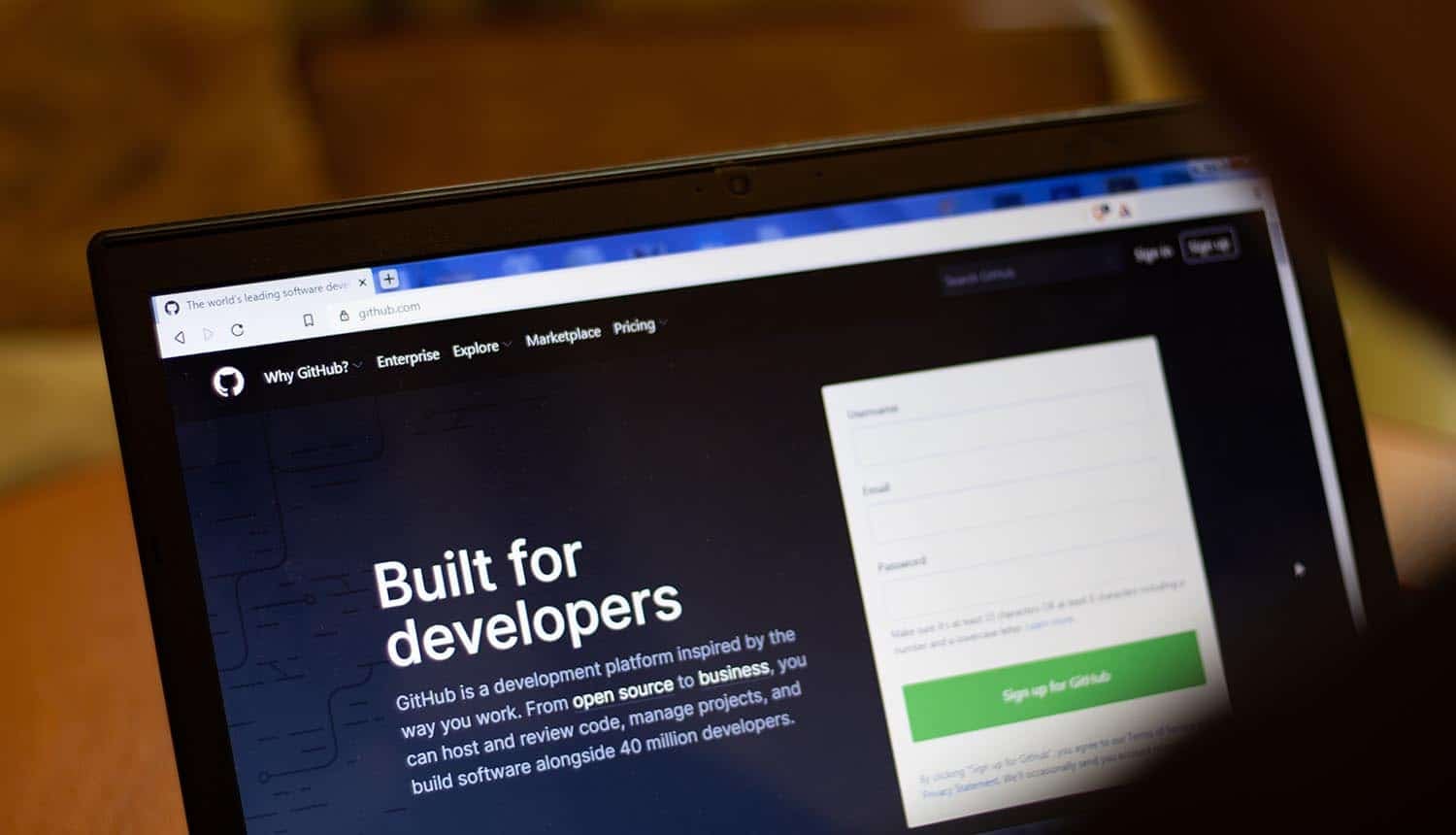
On May 19 GitHub confirmed the security breach across its social media channels, verifying that there was unauthorized access to internal repositories and stating that it was monitoring the situation for further activity. It also said that it had no evidence that information stored in customer repositories or internal information about customers was compromised.
Given the growing prevalence of data breaches, evidence is building that many cyber insurance policies might be close to worthless, as insurance companies look for any excuse possible to avoid paying out the full amount of a claim.
An April data breach of prescription provider MediSecure has been confirmed to have exposed about 12.9 million records, making it one of the largest in Australian history.
Storage virtualization 2.0 offers organizations the ability to better manage both structured and unstructured data, along with the added benefit of greater protection against data loss.