Businesses are turning to Zero Trust security with multi-factor authentication as a step towards passwordless, which is a key factor in an identity-first cybersecurity strategy.
Cyber Security
Cyber criminals, state-sponsored hackers and even the occasional disgruntled employee are constantly looking to gain unauthorized access for a variety of purposes: theft of money, cyber espionage, personal information for sale or for use in scams, and damage to critical infrastructure for just a few of the most common.
So how does an organization mitigate an entire world full of continual cyber attacks? Just as buildings have a number of necessary elements of physical security: access control, cameras, alarms and so on; there are similar key elements of cyber security that are absolutely vital for just about any modern business.
It starts with identifying and closing the most common doors that attackers use. For example, phishing attacks on employees are far and away the most common initial point of entry. The breach of even a low-level employee account can quickly turn into an escalation in access privileges and the ability to reach sensitive information. This is also true of smart devices, which are generally more poorly secured than computers and phones.
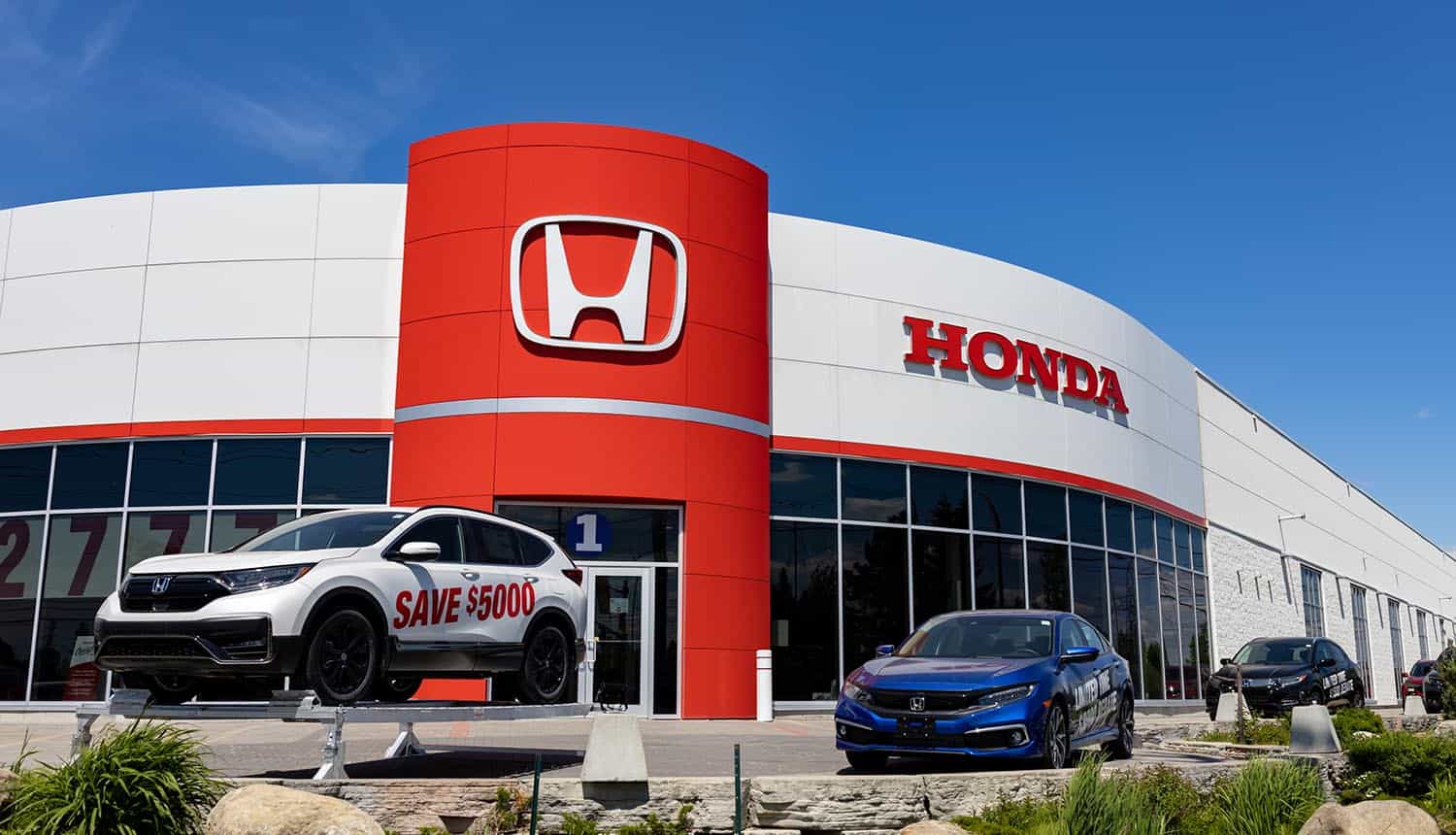
Two security researchers discovered that nearby attackers could compromise keyless entry systems through replay attacks to unlock doors and start engines of several Honda models.
A ransomware attack on KFC, Pizza Hut, and Taco Bell parent company Yum! Brands shut down 300 restaurants in the United Kingdom and leaked the company's corporate data.
Kia Motors America suffered a suspected DoppelPaymer ransomware attack that shut down internal and customer-facing systems. Hackers demanded 404 Bitcoins worth about $20 million.
Pro-Russian Killnet DDoS group took responsibility for the cyber attack that shut down the EU parliament website after members passed a resolution designating Russia as a state sponsor of terrorism.
Remote attackers and unauthorized users could access sensitive patient data and disrupt patient care via known security vulnerabilities present in 75% of medical infusion pumps.
Kodak has confirmed a data breach after the notorious hacking group ShinyHunters claimed responsibility for the attack and threatened to leak the stolen information on the dark web.
A supply chain data breach at Korean Air by Clop ransomware has impacted 30,000 employees following a potential compromise of Oracle E-Business Suite Applications (EBS).
A rash of car thefts has erupted as some of the Korean car-makers models have a USB-A shaped slot that can be exposed by removing the steering column cover, and this slot grants direct access to the engine.
The 2025 data breach of Coupang, the South Korean ecommerce giant often referred to as the country's equivalent of Amazon, is going to cost the company a total of about 624 billion won (the equivalent of about $411 million) in fines.