With roughly 70 percent of travelers unknowingly engaging in risky behaviors that could expose them - and their employers - to cyberattacks, travelers will need to add cybersecurity to their packing list in addition to sunscreen and passports.
Cyber Security
Cyber criminals, state-sponsored hackers and even the occasional disgruntled employee are constantly looking to gain unauthorized access for a variety of purposes: theft of money, cyber espionage, personal information for sale or for use in scams, and damage to critical infrastructure for just a few of the most common.
So how does an organization mitigate an entire world full of continual cyber attacks? Just as buildings have a number of necessary elements of physical security: access control, cameras, alarms and so on; there are similar key elements of cyber security that are absolutely vital for just about any modern business.
It starts with identifying and closing the most common doors that attackers use. For example, phishing attacks on employees are far and away the most common initial point of entry. The breach of even a low-level employee account can quickly turn into an escalation in access privileges and the ability to reach sensitive information. This is also true of smart devices, which are generally more poorly secured than computers and phones.
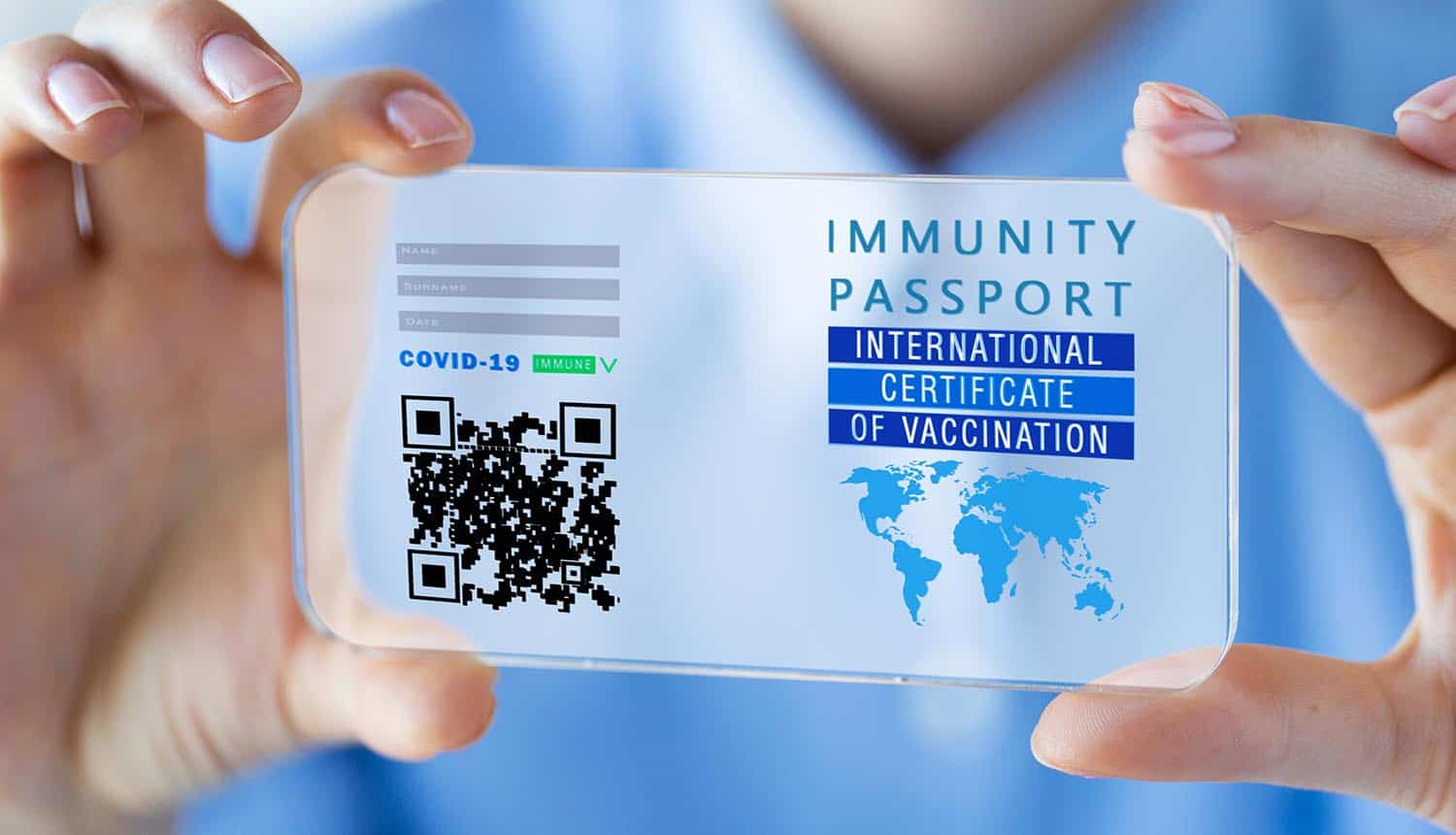
Countries are looking at vaccine passports as the ‘door opener’ for a return to normalcy. At the same time, threat actors know too well that taking advantage of the current pandemic has been a very lucrative over the last 18 months.
The court will determine how the nearly 35-year-old CFAA is interpreted. The worst possible interpretation could put employees and contractors at the mercy of the terms of service of systems and software.
New vehicle hacking threat exploits Bluetooth connectivity and targets a car’s infotainment system to access stored contacts, call logs, text logs, and in some instances even full text messages without the user being aware.
COVID-19 did a lot to reveal weaknesses in systems across the board. Regardless of what type of Vendor Risk Management program you have or do not have – the time has come to start planning for a future in which more and more data breaches from remote work will occur.
Verizon’s DBIR finds that 82% of data breaches logged in 2021 involved a "human element" such as falling for phishing, re-use of stolen credentials, insider malfeasance or simply causing a configuration error.
For the first time in its publication history of nearly 20 years, Verizon's annual Data Breach Investigations Report (DBIR) is tracking vulnerability exploitation as the leading initial access method for attackers. Stolen credentials had been the #1 method for the entirety of the report's history up to this year.
Verizon's data breach report for 2021 frames the degree to which the pandemic has influenced cyber criminal activity, with the focus shifting strongly toward work-at-home infrastructure.
The annual Verizon DBIR provides further confirmation that attackers are showing a renewed interest in social engineering, particularly in conjunction with business email compromise (BEC) attacks. And the average financial damage of a ransomware attack has doubled and is almost certain to cost organizations at least $1 million to remediate.
A Verizon insider data breach has impacted employee data of 63,206 employees. incident occurred when a Verizon employee violated company policy by gaining unauthorized access to a file containing workers’ personal information.