The cybersecurity workforce has grown by a little over 11% since last year, filling 464,000 more positions, but the workforce gap has more than doubled during that time due to increased demand.
Cyber Security
Cyber criminals, state-sponsored hackers and even the occasional disgruntled employee are constantly looking to gain unauthorized access for a variety of purposes: theft of money, cyber espionage, personal information for sale or for use in scams, and damage to critical infrastructure for just a few of the most common.
So how does an organization mitigate an entire world full of continual cyber attacks? Just as buildings have a number of necessary elements of physical security: access control, cameras, alarms and so on; there are similar key elements of cyber security that are absolutely vital for just about any modern business.
It starts with identifying and closing the most common doors that attackers use. For example, phishing attacks on employees are far and away the most common initial point of entry. The breach of even a low-level employee account can quickly turn into an escalation in access privileges and the ability to reach sensitive information. This is also true of smart devices, which are generally more poorly secured than computers and phones.
According to the latest Cybersecurity Workforce Study from (ISC)2, it would take a 145% increase in the number of these cybersecurity professionals to fill the current estimated need for 4.07 million professionals.
By now, it’s safe to assume that everyone’s personal information has been compromised in some way. The digital nature of our world come with risks and since the cyberthreats facing us all extend beyond the four walls of the workplace, so should our cybersecurity efforts.
IP security cameras and other security devices are used to protect people and property yet they serve as a point of entry for cyberattacks. What should organizations consider when securing their security?
Cybercriminals aren’t just hacking for activism or for fun. They’re running their attacks like a business, targeting organisations to extort money – and they’re getting smarter at it. Don’t get complacent, don’t cut corners and shore yourself up against the people lurking in the cyber-shadows.
The new CSC report warns that national cyber defense is "stalling" in most areas and "slipping" in some. Its central point of criticism is that only 35% of 82 recommendations that the commission made in 2020 have been fully implemented, with about 13% still facing barriers to progress and another 18% making progress but still distant from actual implementation.
What will a cyberwar look like? Find out why you should not think about preparing for the next cyberwar but rather you should be preparing for many.
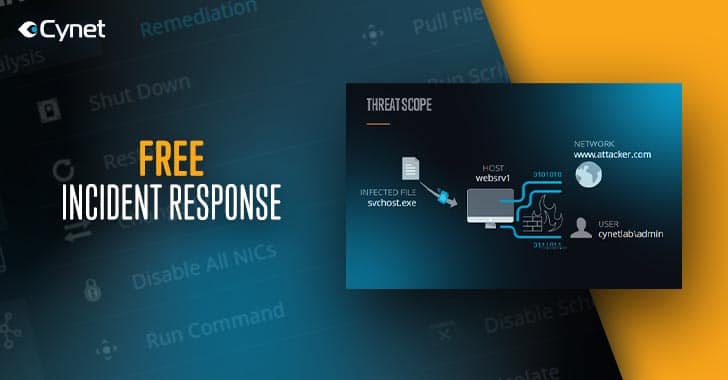
Cynet launches free IR tool providing unmatched speed and efficiency to help organizations and IR providers accurately determine the breach scope and impact; and ensure that all malicious presence and activity are completely eliminated.
Taiwanese networking giant D-Link has confirmed a data breach after an employee fell victim to a phishing attack. The company said the stolen information originated from a product registration system that reached its end of life in 2015.
Trustwave analyzed dark web chatter on the underground hacking forums and discovered that cybercriminals were anxious after the Russian FSB arrested 14 REvil ransomware gang members.