A whistleblower said that Solly asked them for help in transferring purloined social security data from a thumb drive to a personal computer and "sanitizing" it before uploading it to Leidos.
Cyber Security
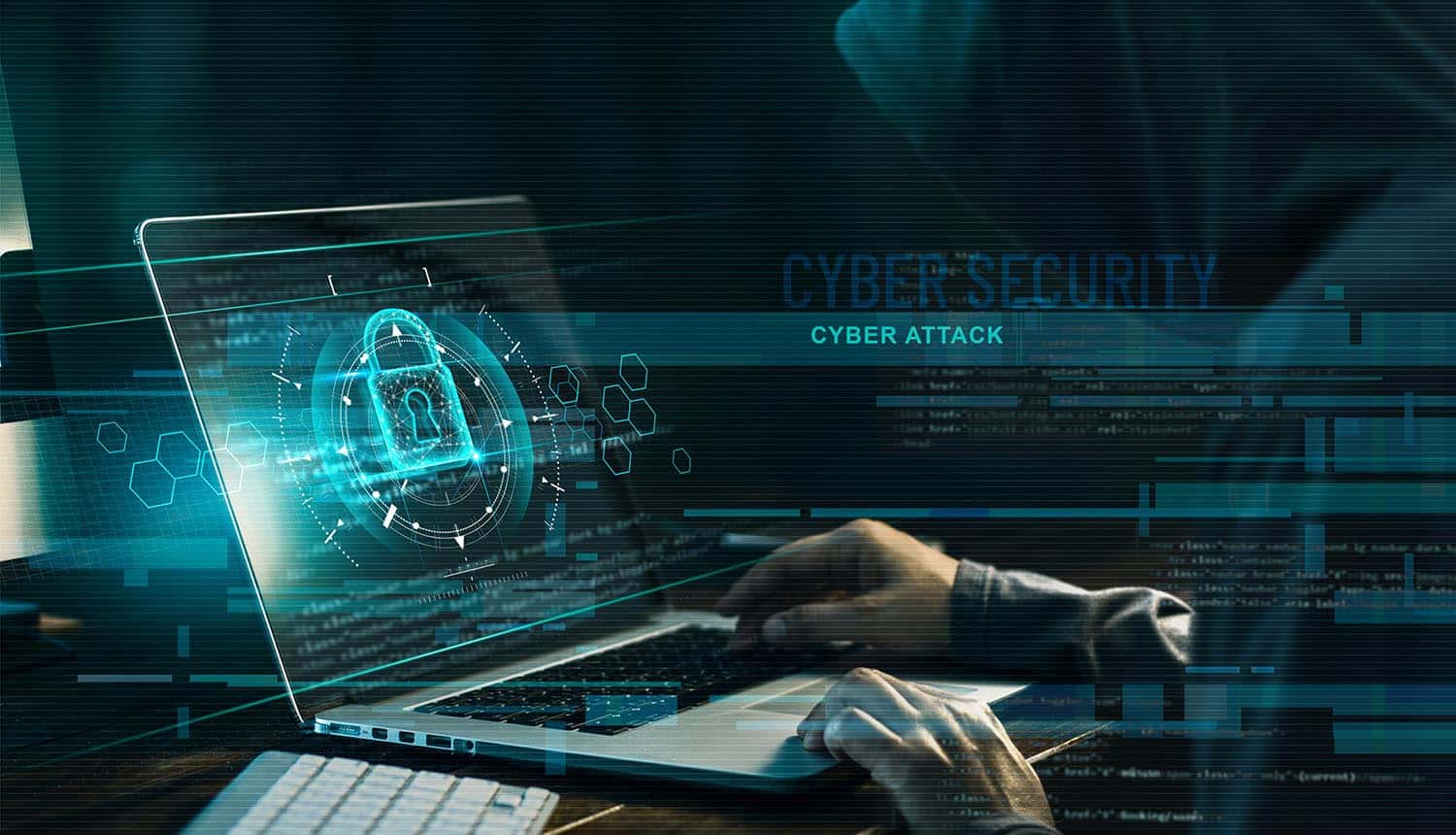
Cyber criminals, state-sponsored hackers and even the occasional disgruntled employee are constantly looking to gain unauthorized access for a variety of purposes: theft of money, cyber espionage, personal information for sale or for use in scams, and damage to critical infrastructure for just a few of the most common.
So how does an organization mitigate an entire world full of continual cyber attacks? Just as buildings have a number of necessary elements of physical security: access control, cameras, alarms and so on; there are similar key elements of cyber security that are absolutely vital for just about any modern business.
It starts with identifying and closing the most common doors that attackers use. For example, phishing attacks on employees are far and away the most common initial point of entry. The breach of even a low-level employee account can quickly turn into an escalation in access privileges and the ability to reach sensitive information. This is also true of smart devices, which are generally more poorly secured than computers and phones.
A joint operation by Meta and law enforcement authorities from 10 countries has taken down 150,000 scam accounts and nabbed 21 suspected masterminds of online fraud.
A cyber attack that continues to impact the Stryker medtech group's business operations as of this writing has been linked to a pro-Palestine hacking group thought to be supported by the Iranian government.
Government officials and employees, military members, and journalists the world over are being advised by the Dutch Ministry of Defence that Russian state-backed hackers are engaged in a broad campaign targeting their WhatsApp and Signal accounts.
The Trump Cyber Strategy is broken into six policy pillars meant to guide development of more specific measures and their future implementation. Each of these outlines consists of only one to two paragraphs without a large amount of specifics, making it a shorter and somewhat vaguer document than similar cyber policies laid out by prior administrations.
An almost year-long data breach at TriZetto Provider Solutions (TPS) has leaked the sensitive health data of 3.4 million individuals.
A data breach at data analytics company LexisNexis L&P has leaked the details of over 400,000 cloud profiles after an attacker breached its AWS infrastructure.
Hackers used sophisticated techniques and leveraged a commercial internet service provider vendor’s infrastructure to breach FBI surveillance systems, something both Chinese and Russian state-backed threat actors are notorious for doing. It is unclear at this point which of the numerous Chinese hacking groups may have been involved with the security breach.
A ransomware attack at the University of Hawaii Cancer Center has exposed the sensitive personal information of more than 1.2 million people, forcing it to pay a ransom.
File-based malware has long been among the most effective attack vectors employed by threat actors worldwide. While AI-powered detection technologies are coming to market to help address these growing risks, their outputs should be complemented by deterministic controls and human oversight, particularly in high-consequence environments.