A data breach affecting food delivery company GrubHub has leaked the personal information of customers, merchants, and drivers after an unauthorized entity gained access using a third-party service provider’s account.
Cyber Security
Cyber criminals, state-sponsored hackers and even the occasional disgruntled employee are constantly looking to gain unauthorized access for a variety of purposes: theft of money, cyber espionage, personal information for sale or for use in scams, and damage to critical infrastructure for just a few of the most common.
So how does an organization mitigate an entire world full of continual cyber attacks? Just as buildings have a number of necessary elements of physical security: access control, cameras, alarms and so on; there are similar key elements of cyber security that are absolutely vital for just about any modern business.
It starts with identifying and closing the most common doors that attackers use. For example, phishing attacks on employees are far and away the most common initial point of entry. The breach of even a low-level employee account can quickly turn into an escalation in access privileges and the ability to reach sensitive information. This is also true of smart devices, which are generally more poorly secured than computers and phones.
A recent survey by the SANS Research Program showed 58% of respondents identified IT compromises as a leading initial attack vector for ICS/OT incidents. This reflects the increasingly interconnected nature of IT and OT environments and highlights the risks associated with this convergence.
Here are the top cyber hygiene routines all CISOs should embrace in their daily network care routines to stay ahead of cyber attacks.
IBM's annual Cost of Data Breach report, created in conjunction with Ponemon Institute, shows no relief in sight for victims of breaches with a 10% jump in the global average cost on the year. The highest average cost per incident, $5.17 million, was incurred when the breached data was stored in public clouds.
Tighter cybersecurity regulations that have already come for certain critical infrastructure industries are now being applied to rail and aviation, as the Biden administration continues a general program of hardening the country's cyber defenses.
The private sector is increasingly turning to cyber insurance to at least mitigate some of the effects of hacking, however governments across the globe seem to have been slow to take advantage. Given the severity of the cyber threats, is it time for public sector agencies to leverage cyber insurance offerings?
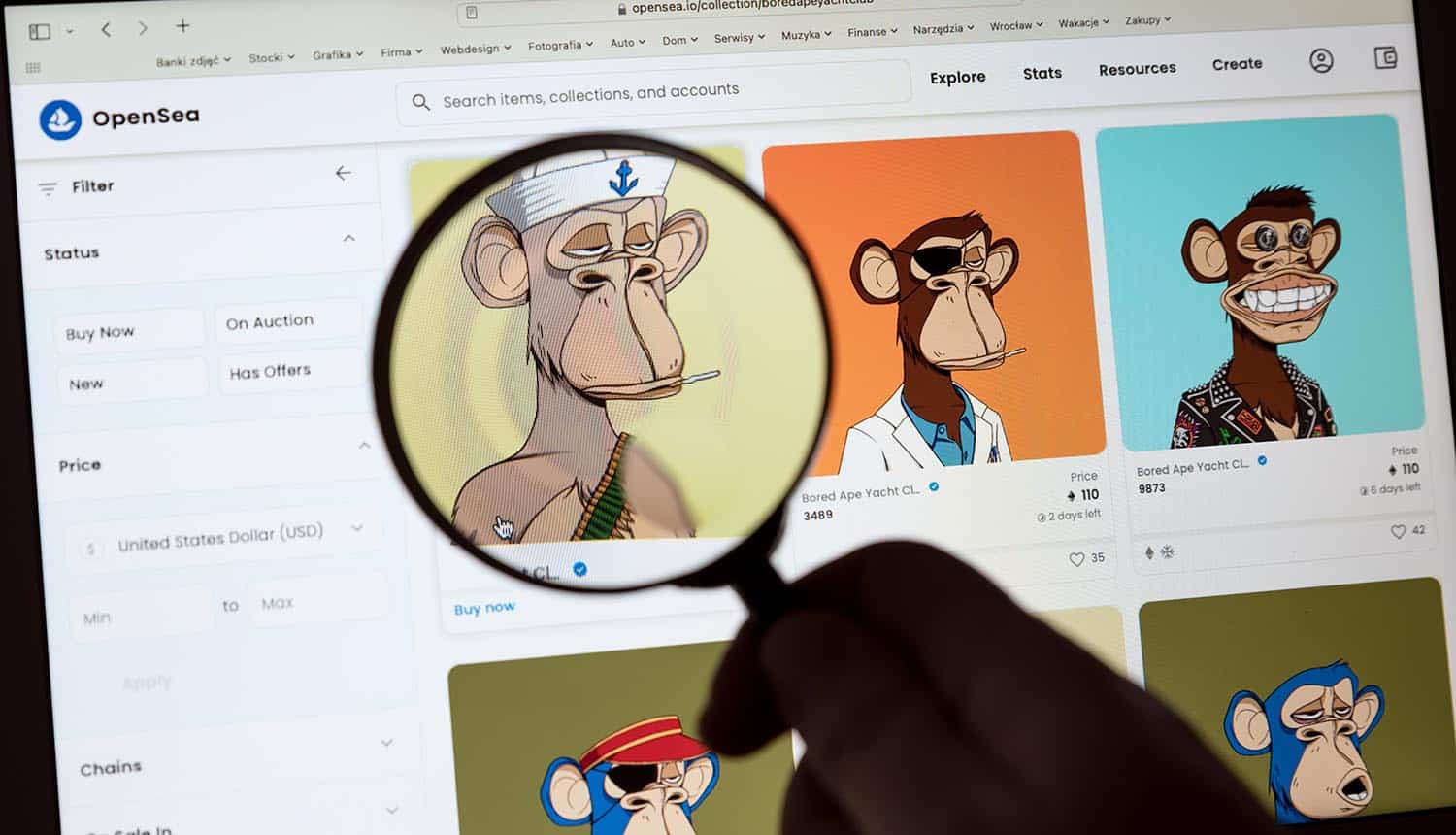
The attack on the OpenSea NFT marketplace does not appear to be a code issue or vulnerability, the phishing attacks apparently involved unknown threat actors approaching individual users and tricking them into signing a malicious payload.
A spyware vendor in Spain has been linked to a zero-day exploitation framework that impacted Windows, as well as the Chrome and Firefox browsers, from 2018 to 2021. Google researchers present markers found in its code including a script that is signed by the company.
Toyota discovered a second cloud misconfiguration data leak that exposed 260,000 domestic and international customers' in-vehicle data and personal information for over eight years.
Addressing automation through a powerful patch management system and streamlining device control can allow IT teams to consistently and more cost-effectively monitor gaps in security as well as proactively enhance enterprise security measures.