Businesses face challenges in handling unstructured data and staying compliant with privacy regulations. With newer approaches, AI will be able to assist much better in data governance tasks.
Cyber threats are inevitable in today’s technologically driven world. While businesses are dependent on technology to grow, it’s also important to learn how to protect it from cyber attacks.
Apple has introduced their Business Essentials offering which brings together device management, 24/7 support and cloud storage. But the move is garnering mixed responses within the community, with stakeholders involved expressing optimism and legitimate concern.
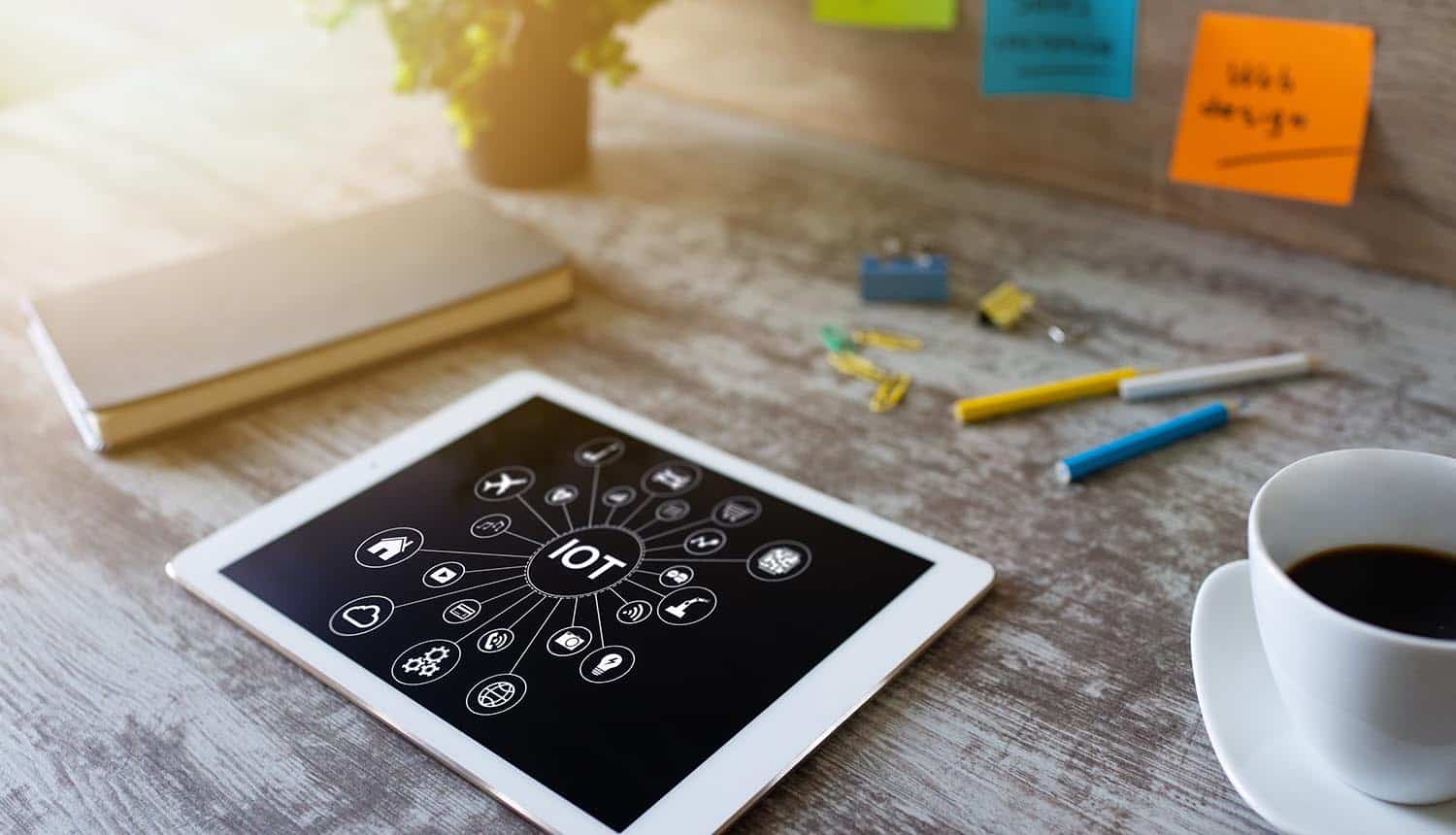
If you are in the business of IoT, you must not take your users’ data security lightly. The risk is real every step of the way, with cyber hackers waiting to take advantage of an IoT network.
Today, as we navigate a new future that is truly digital-first, the next innovation that could hit Singapore very soon is digital birth certificates, something that effective identity management technology can help to achieve — rendering paper birth certificates a thing of the past.
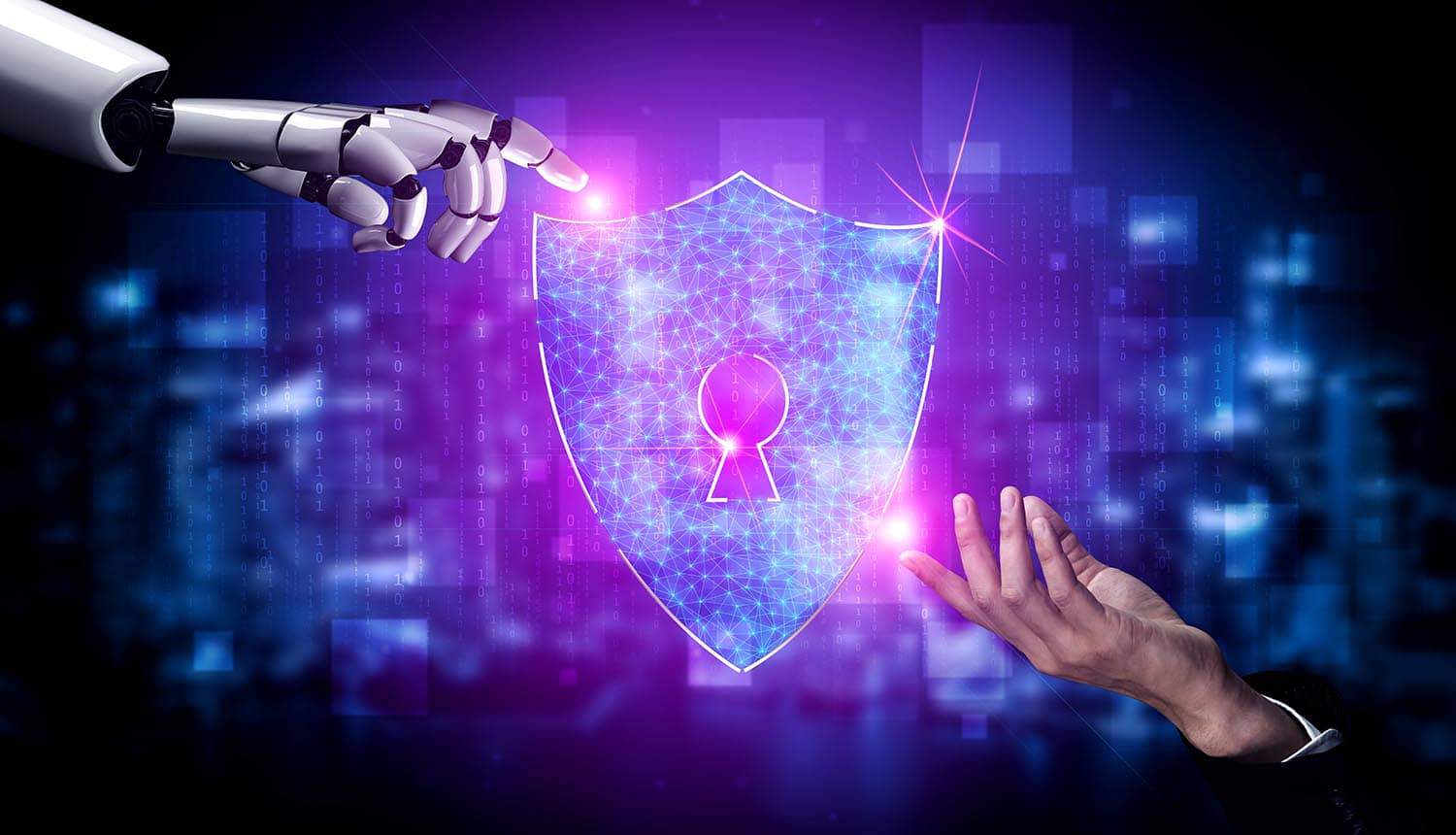
Largest cyber attack in history has been predicted to happen soon, companies should look into using AI based cybersecurity systems to decrease their probability of this attack.
Technologies like AI and Machine Learning can give companies a competitive lead in terms of information security and data safety. How can these technologies support cybersecurity?
Shift to remote working has contributed to an unrelenting cybersecurity emergency. Here are three cybersecurity lessons from the pandemic that every organization should learn as they prepare for the future of hybrid work.
AI technology brings benefits and can just as easily be used for malicious ends. Today, both cybersecurity experts and cybercriminals are using AI. Could it pose more of a cybersecurity threat than we think?
As the shift to smart home management takes hold, a critical element to its success will be gaining consumer trust. To gain that trust all the devices required to make a home “smart” will be security.