noyb is bringing GDPR complaints against a number of companies that use "cookie banners" to collect consent for identification and tracking measures when websites are visited.
Currently slated for a September release, iOS 15 will implement enhanced privacy controls for Siri's speech recognition and email privacy as well as a new "privacy report" feature.
European Commission has approved a new version of the Standard Contractual Clauses (SCCs) for data transfer agreements in line with the Schrems II decision.
Facebook is employing some creative new tactics in its extended battle with Apple. A paid academic study concludes that Apple's new privacy policies in iOS 14 are anticompetitive.
The $425 million GDPR fine has been proposed by Luxembourg’s data protection commission, which has submitted a draft decision to the data protection authorities of the other EU member states.
A new password leak, the largest to date, contains over 8.4 billion credentials among which may have been the account used to get into Colonial Pipeline's network.
The DOJ elevated the priority of ransomware attacks, comparing them to terrorism and directing U.S. Attorneys to coordinate investigations through the ransomware task force.
The Metropolitan Transportation Authority says that Chinese hackers breached three computers in the New York subway via Ivanti’s Pulse Connect Secure VPN critical vulnerabilities.
TikTok has struggled with an ongoing string of issues involving child privacy. A new one has emerged as a parents group in the Netherlands has filed a $1.7 billion suit against it in Amsterdam.
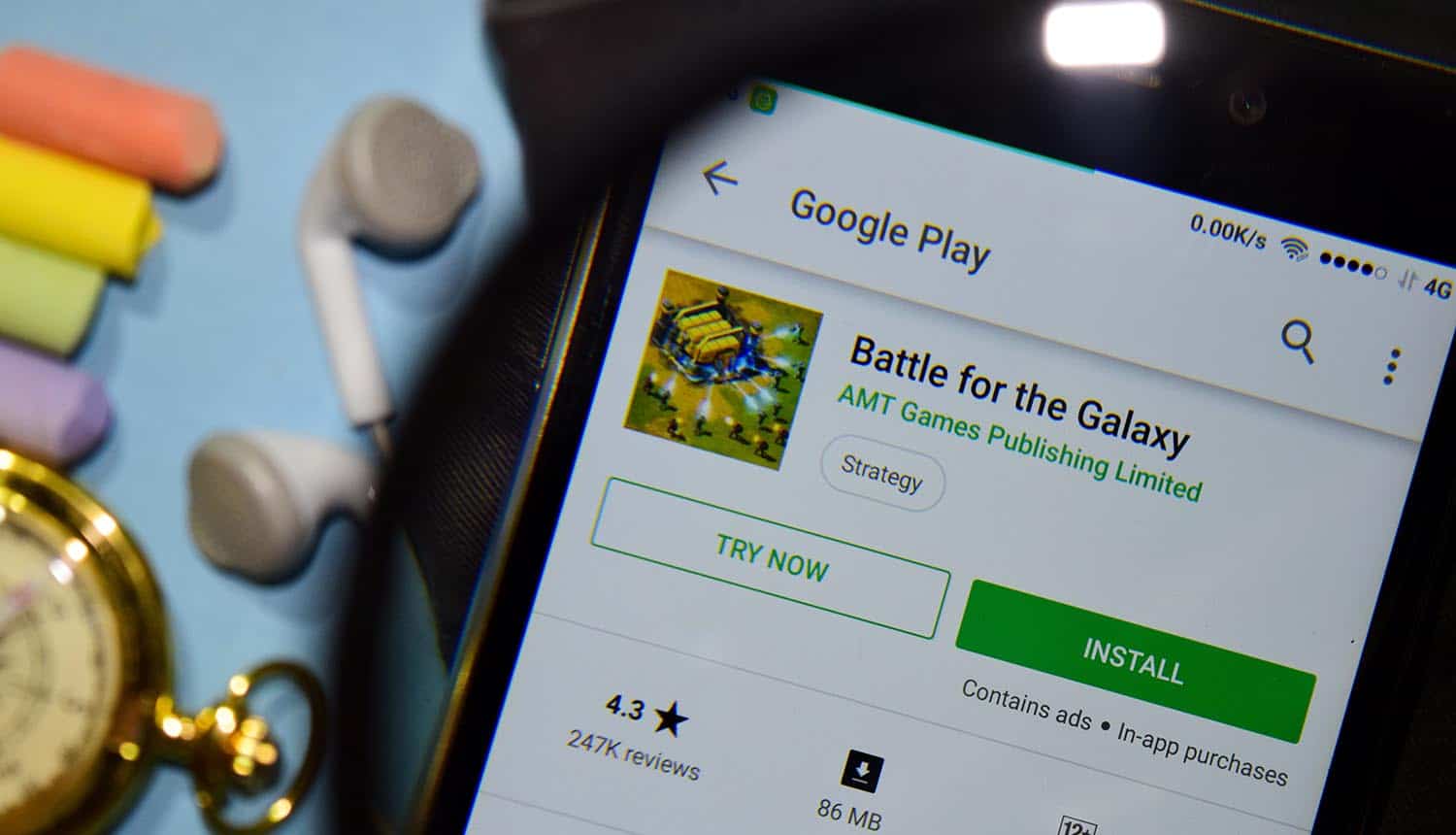
China-based game developer exposed personal information and transaction records of nearly 6 million Battle for the Galaxy players in an unsecured ElasticSearch data leak.