New privacy labels that Apple requires are revealing some major differences between competing messaging apps, best illustrated by setting Signal next to the voracious Facebook Messenger.
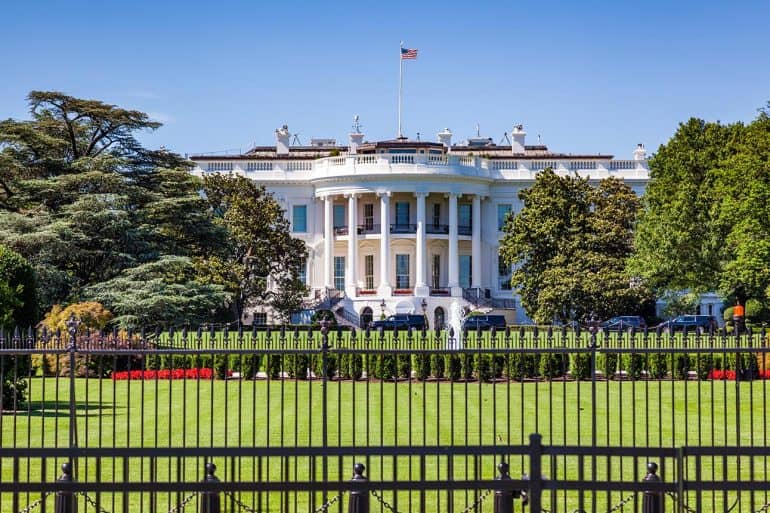
The White House may be at risk of cyber attacks with the recent exodus of at least a dozen senior officials from the cyber security team and the removal of duties and security privileges of those remaining.
Leading American food distributor Sysco has confirmed a data breach that potentially leaked business data and customer and employee personal information, including social security numbers.
Reddit hack shows that the industry standard two-factor authentication approach in certain cases might not offer as much protection of vulnerable data as has long been thought.
Computer security researchers uncovered a macOS ransomware that exclusively targets computers running the operating system, exploiting macOS users’ false sense of security.
Law firm associated with Donald Trump and half of Fortune 500 companies leaked 100 GB of confidential client information in a third-party data breach linked to Clop ransomware.
Just one month into the new year, the Wormhole network breach is already the second major incident involving a DeFi project following the attack on the Qubit Finance network.
Bunnings tested out facial recognition technology in 63 of its New South Wales locations between November 6, 2018 and November 30, 2021, in what they said was a bid to deter a rash of crime. The national privacy laws regard facial data as highly sensitive biometric information.
Cloudflare, one of the world's largest content delivery networks and web security service providers, is taking on AI bots with a new "Easy button" that simplifies the shutdown of unauthorized content scraping.
The fitness tracking app Strava may have inadvertently compromised not only classified locations, but the movement of personnel over extended periods of time. Surveillance campaign on Israel's military uncovered.