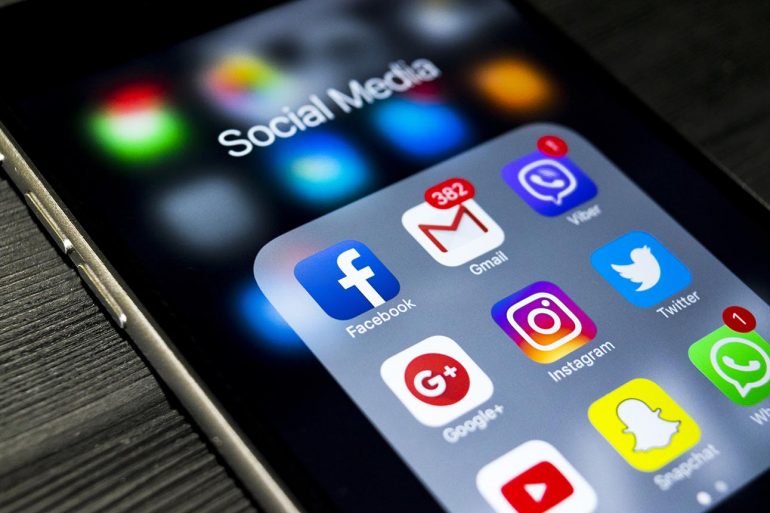
Group of nine privacy and anti-monopoly advocacy groups have called on the FTC to break up Facebook, citing the tech company’s long track record of ignoring privacy concerns, the group also called on the FTC to fine Facebook as much as $2 billion.
Every week, there seems to be a major new data breach that impacts millions. So it’s no surprise that personal cyber insurance are being offered by insurance companies, and the global market could be worth as much as $3.1 billion by the year 2025.
A massive 600 gigabyte file containing about 2.2 billion breached accounts has been spotted floating about the dark web, freely available to anyone who cares to download it via torrent.
A fundamental shift from defensive to offensive cyber operations is now underway in order to deter cyber attacks, and the United States and its European ally France are at the forefront of this trend.
Leaders from China, Japan, Germany and South Africa at Davos voiced support for increased government oversight, tech regulation and data governance in their own countries as well as international cooperation on standards.
Landmark ruling affirms the right of private individuals to sue companies like Google and Facebook if they collect their biometric data without their written consent, even if there was no “harm” to the individuals.
New research study suggests that even deleting your accounts might not be enough to protect your social media privacy. Using machine learning algorithms, your “friends” activities can create some startlingly accurate profiles about you.
New study by the Center for Data Innovation showed that only 1 in 5 Americans will pay a monthly subscription fee for online privacy despite the result that 80% want Internet companies to collect less personal data about them.
Google received €50 million in GDPR fines from French regulator CNIL for failing to adequately inform users about their data collection practices, and not giving users enough control over how their information is used. What are the lessons learnt?
Apple CEO Tim Cook has emerged as one of the strongest voices in the battle over consumer data privacy, and this time calling for a data broker clearinghouse to be created by the FTC.