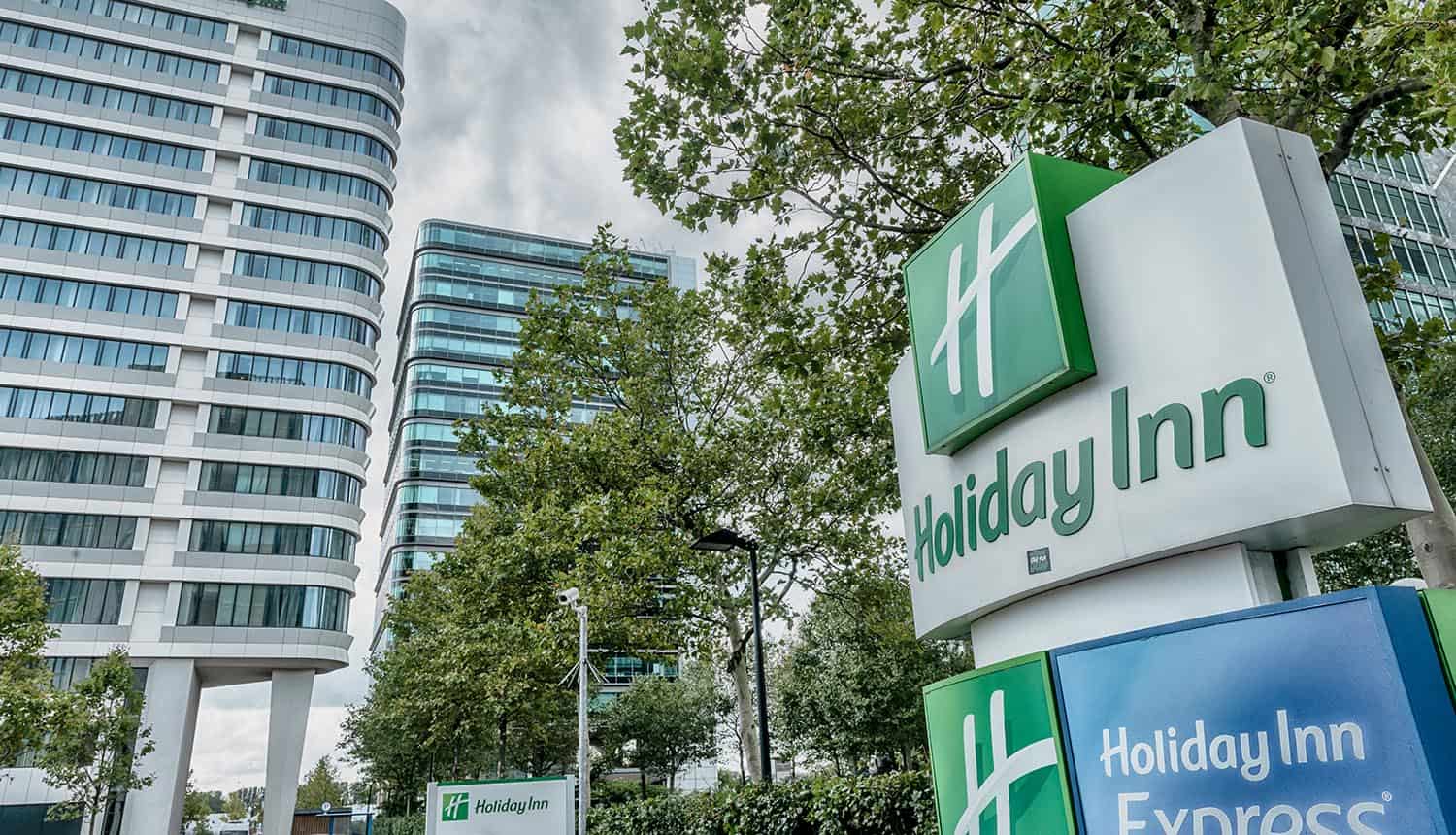
IHG Hotels & Resorts, the hotel group that owns the Holiday Inn and Intercontinental brands among numerous others, suffered a cyber attack on the first weekend of September that impacted its central hotel booking system and mobile apps.
Increasing Internet surveillance with new set of rules saw Internet authorities in China clenching an iron fist requiring tech companies to identify the real registered names of users and to record user activities.
Russian hackers are exploiting hotel Wi-Fi networks at various locations that attract corporate travelers to compromise Microsoft 365 accounts and install malware.
According to a new FBI warning, hackers are stepping up their attacks on U.S. automotive industry to include ransomware infections, data breaches, phishing attacks, and corporate espionage activities.
Executives concerned about secure applications but developers are not confident that they are writing secure code or the security of third party modules.
A decision has found GDPR violations in the TCF consent management systems widely used by ad networks, ruling that the process is not adequately transparent to data subjects and does not inform them or secure their data properly.
An established cybercrime gang leaked sensitive data, including unredacted child abuse files, after a ransomware attack on San Francisco Bay Area Rapid Transit Police department.
Holiday Shopping ID Theft Survey revealed that consumers are more concerned about retail data breaches, are more aware of identity protection services, and has embraced online shopping largely due to the pandemic.
UniCredit suffered a recent data breach which exposed PII of nearly 3 million customers. The bank said there is no stolen banking account information that enables hackers to make unauthorized transactions.
Update to the ACLU's privacy policy indicates that the organization is now feeding the same Facebook targeted advertising system it criticizes. Data sharing includes names, email addresses, and phone numbers.