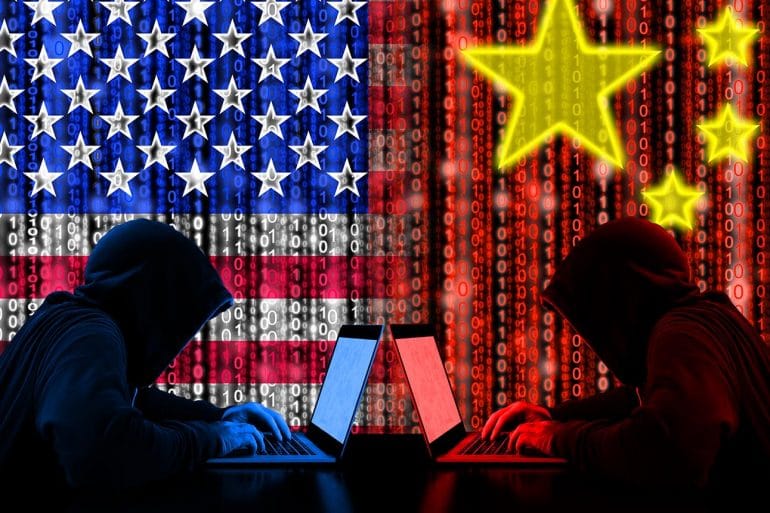
A joint report from China’s National Computer Virus Emergency Response Centre (CVERC) and cybersecurity firm 360 accuses the US CIA of aggressively hacking China and other countries with advanced cyber weapons, including an assortment of trojans, malware, botnets and zero-days.
Cyber Security
Cyber criminals, state-sponsored hackers and even the occasional disgruntled employee are constantly looking to gain unauthorized access for a variety of purposes: theft of money, cyber espionage, personal information for sale or for use in scams, and damage to critical infrastructure for just a few of the most common.
So how does an organization mitigate an entire world full of continual cyber attacks? Just as buildings have a number of necessary elements of physical security: access control, cameras, alarms and so on; there are similar key elements of cyber security that are absolutely vital for just about any modern business.
It starts with identifying and closing the most common doors that attackers use. For example, phishing attacks on employees are far and away the most common initial point of entry. The breach of even a low-level employee account can quickly turn into an escalation in access privileges and the ability to reach sensitive information. This is also true of smart devices, which are generally more poorly secured than computers and phones.
China has announced new requirements for companies that might pose a "national security" threat, chiefly those that have large stockpiles of personal data that might wind up being transferred overseas.
For years, China has used the World Internet Conference to advance its vision for cyber sovereignty. Now it looks like the various ideas and concepts, including the new Cybersecurity Law, undergirding this vision are starting to be put into effect for China’s Internet, with unknown implications.
Chinese actors are deploying thousands of LLM gateways to clone U.S. frontier models, share credentials, and bypass geographic restrictions, rate limits, and usage metering.
The DeepSeek-V3 chat platform temporarily suspended new registrations in response to the cyber attack. The Chinese AI company grabbed headlines in January when assorted benchmark tests put it on par with the leading generative AI apps.
Trend Micro finds the Chinese APT group has compromised at least 70 government organizations over the last two years, in 23 different countries. But the group's logs indicate it has targeted over 110 organizations in 10 additional nations.
Chinese APT group Weaver Ant breached and maintained a foothold on a large Asian telco network for four years using compromised Zyxel CPE routers for cyber espionage.
It appears that Chinese hackers have been running Cloud Hopper attacks targeting tech providers for access to their customers' corporate intellectual property and government secrets.
FBI's testimony suggests that the Chinese cyber threat to national security is becoming much more sophisticated in the realm of cyber espionage including abuse of the “Thousand Talents” program.
China-based game developer exposed personal information and transaction records of nearly 6 million Battle for the Galaxy players in an unsecured ElasticSearch data leak.