The Trump administration has proposed a $707 million cut to CISA’s operating budget, citing waste, weaponization, and redundancy concerns, as nation-state cyber threats increase.
Cyber Security
Cyber criminals, state-sponsored hackers and even the occasional disgruntled employee are constantly looking to gain unauthorized access for a variety of purposes: theft of money, cyber espionage, personal information for sale or for use in scams, and damage to critical infrastructure for just a few of the most common.
So how does an organization mitigate an entire world full of continual cyber attacks? Just as buildings have a number of necessary elements of physical security: access control, cameras, alarms and so on; there are similar key elements of cyber security that are absolutely vital for just about any modern business.
It starts with identifying and closing the most common doors that attackers use. For example, phishing attacks on employees are far and away the most common initial point of entry. The breach of even a low-level employee account can quickly turn into an escalation in access privileges and the ability to reach sensitive information. This is also true of smart devices, which are generally more poorly secured than computers and phones.
The Conti ransomware gang became one of the more prominent in the cyber crime world starting in 2020. It has pledged to respond to any cyber attacks on the Russian government or the country's critical infrastructure.
In mid-July the REvil ransomware group, linked to the Kaseya and JBS incidents among other attacks, appeared to go out of business. It turns out they may have just been taking a refreshing summer break.
Millennials, a tech-savvy bunch often on the go, tend to kick caution to the curb when it comes to protecting personal information as growing up with technology often creates a false sense of security.
A cyber attack by a suspected cybercrime group has forced Frontier Communications, a Dallas, Texas-based optic-fiber Internet provider, to temporarily shut down its information systems to contain the incident.
There are significant gaps in virtual appliance security, and many products are distributed with known, exploitable, and fixable vulnerabilities and on outdated or unsupported operating systems.
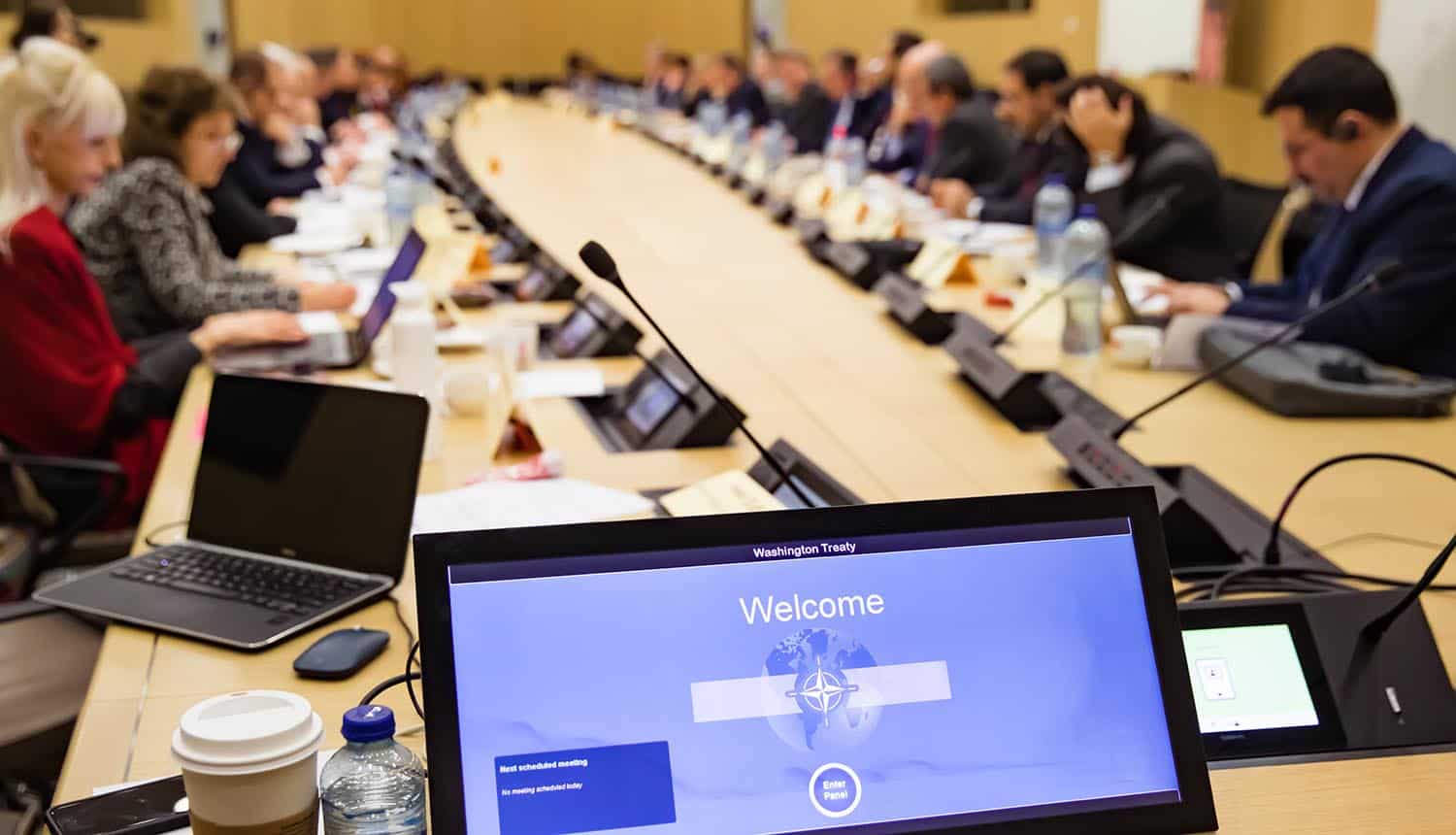
Hundreds of NATO documents of "extreme gravity" were reportedly stolen and made available on the dark web, and the Portuguese government is facing tough questions about why the breach was not discovered for weeks.
When an organisation is attempting to contain a security breach, there is no such thing as too many cooks – but instead, too many siloed cooks. Cutting through the silos will allow for more robust security and enable agility across areas of a business that are, in fact, complementary to each other.
250 hospitals in the US activated critical blood shortage protocols after a ransomware attack on blood center OneBlood disrupted blood and platelets distribution.
A Nokia security breach has leaked source code from a third-party software development partner, exposing the company’s sensitive data, including keys and hardcoded credentials.