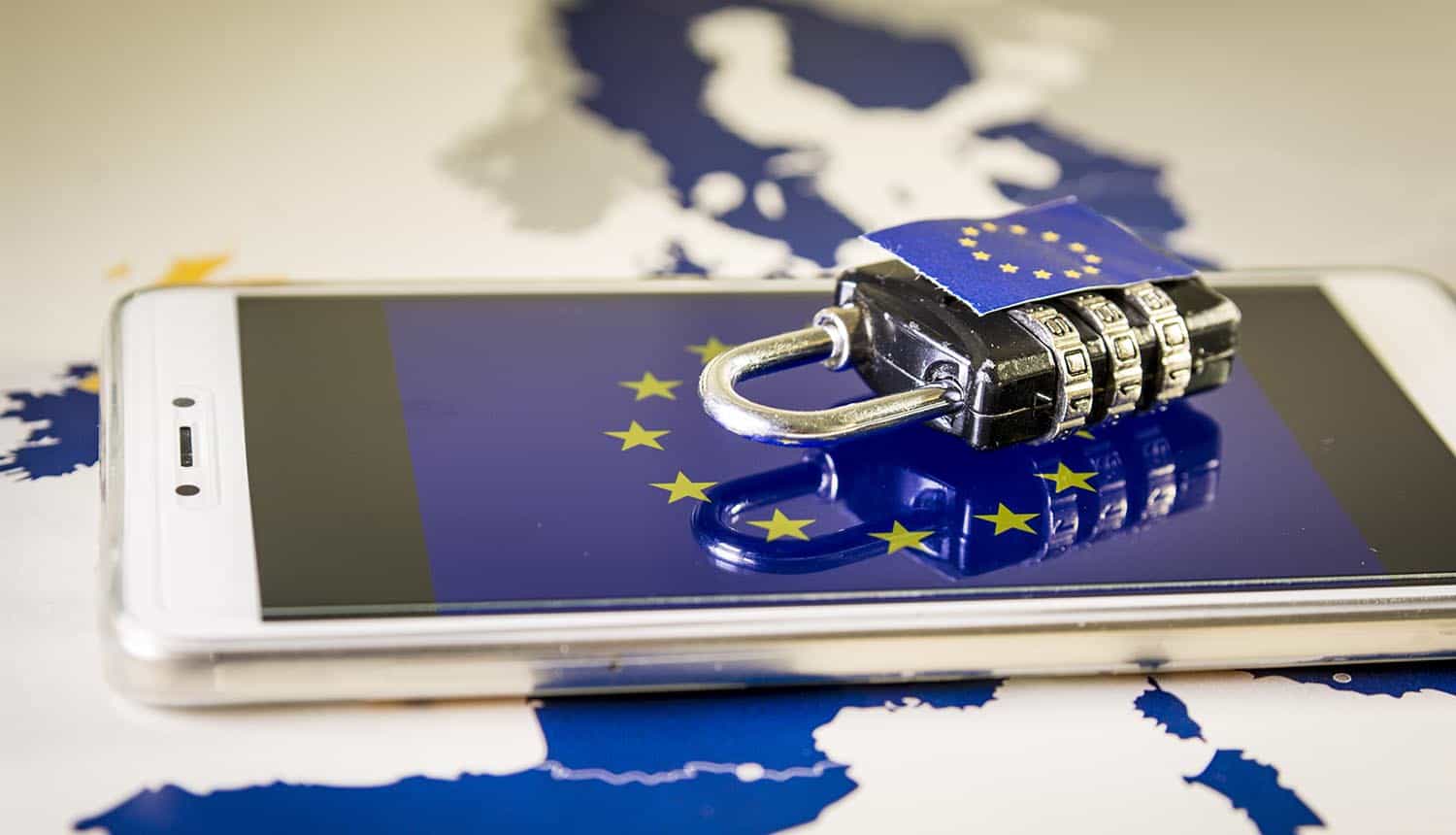
GDPR has set the benchmark for privacy legislation across the globe. Even if there are changes over the next six years, the foundations and concepts born out of the regulation are here to stay for the long term.

Certain types of personal data are very valuable to criminals, and can be very damaging to an individual or business if it falls into the wrong hands. As the world becomes more digital and more connected, more of this sort of data is generated and passed between various sources on a regular basis.
Government regulations and supervisory authorities aren’t just about keeping irresponsible parties in line. They also provide vital security guidance to every type of organization that handles sensitive personal, business or government information.
Data protection regulations also ensure that the end user has a transparent view of and a say in the processing of personal data. These safeguards play a significant role in everything from the preservation of civil rights to ensuring that democratic institutions function properly.
Some types of personal data are clear candidates for regulation: medical records, banking information, national ID numbers and so on. But some of these regulations also cover items that might seem relatively innocuous at first glance: home addresses, email addresses, website profile information and so on. For example, the European Union General Data Protection Regulation (GDPR) has stipulations about anything that is unique to an individual to include phone numbers and social media accounts. People have varying levels of privacy preference with these items, but they are often protected by regulation because they can be used for targeted scams and attempts at identity theft.
Given that regulations often take the size and customer count of businesses into consideration in terms of penalties and the scope of protection of personal data, compliance is particularly important for enterprise-scale organizations. You do not necessarily have to have an active business presence in a country or region; simply storing data on or moving it through servers there may subject you to their data protection rules.