Data breach on the US federal courts record systems involved "three foreign hostile actors" and the attack was "startling in breadth and scope" and may have had a "staggering" impact on the Department of Justice.
Just ahead of the final vote on the European Union's controversial "Chat Control" proposal, a broad coalition of tech industry figures has come together to appeal to the bloc's governments to reject it in the name of privacy, security and free speech.
Twitter hack of high-profile accounts a result of employees tricked into giving up access to support tools that led to compromised accounts posting Bitcoin doubling scam.
Facial recognition provider Clearview AI is facing a joint privacy investigation by the U.K. and Australia that centers on the scraping of social media platforms for available images.
Facebook has come up with a clever workaround that takes advantage of Brexit; it's simply going to move local users to California to evade EU privacy rules.
The secret "Jedi Blue" deal that is facing antitrust probes involves Facebook refraining from engaging in "header bidding," a practice that tends to take money out of Google's coffers.
A WhatsApp security flaw on the desktop version was recently discovered that allows hackers to rifle through user accounts and remotely access their files on PC via malicious messages.
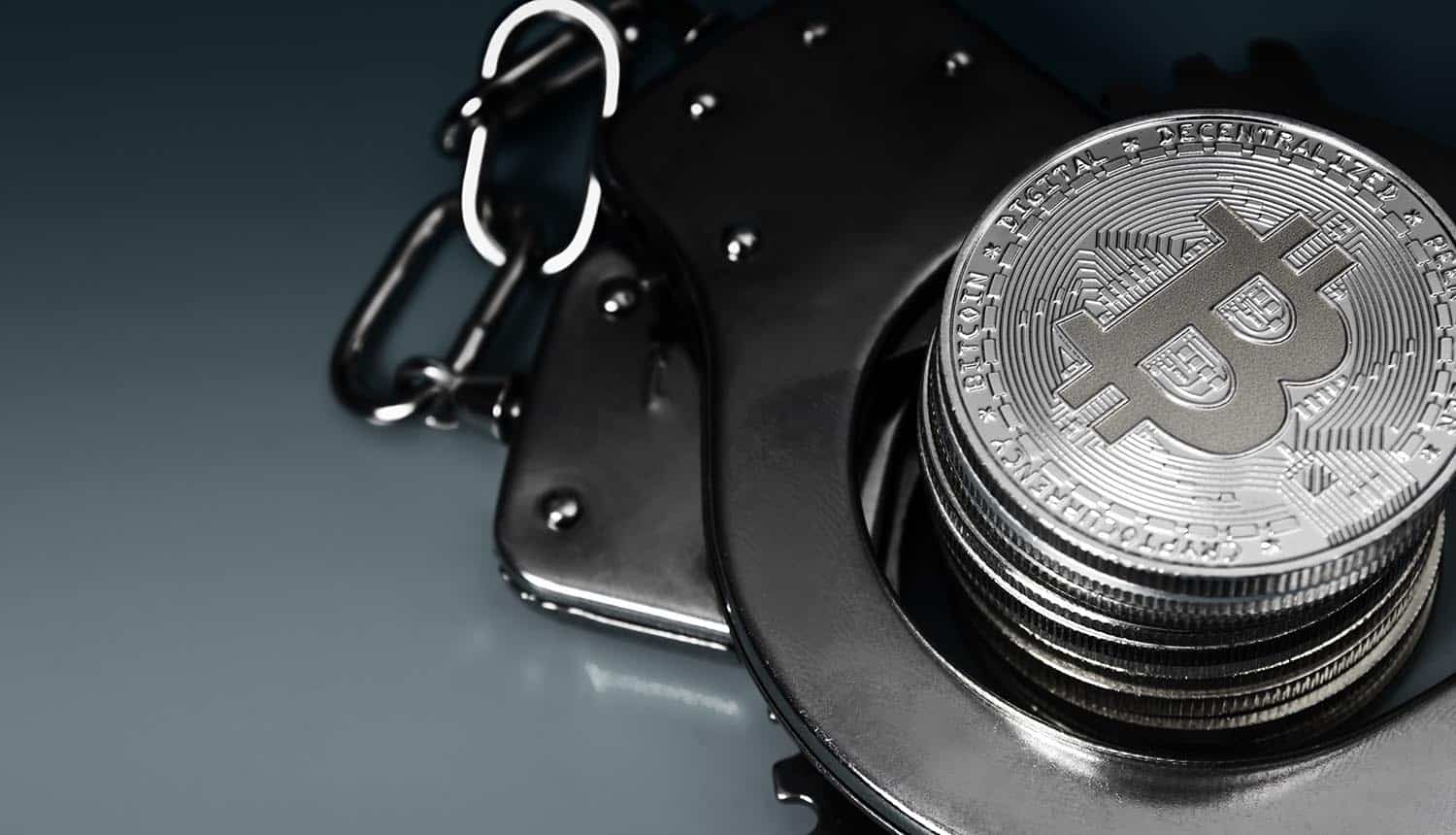
DOJ seized 94,000 Bitcoins from a New York couple accused of laundering 119,754 Bitcoins from the 2016 Bitfinex cryptocurrency theft currently valued at $4.5 billion.
The privacy policy now makes clear that TikTok user data is transferred to a number of third countries for "important functions," China among them. TikTok says it has SCCs in place that cover the data transfers.