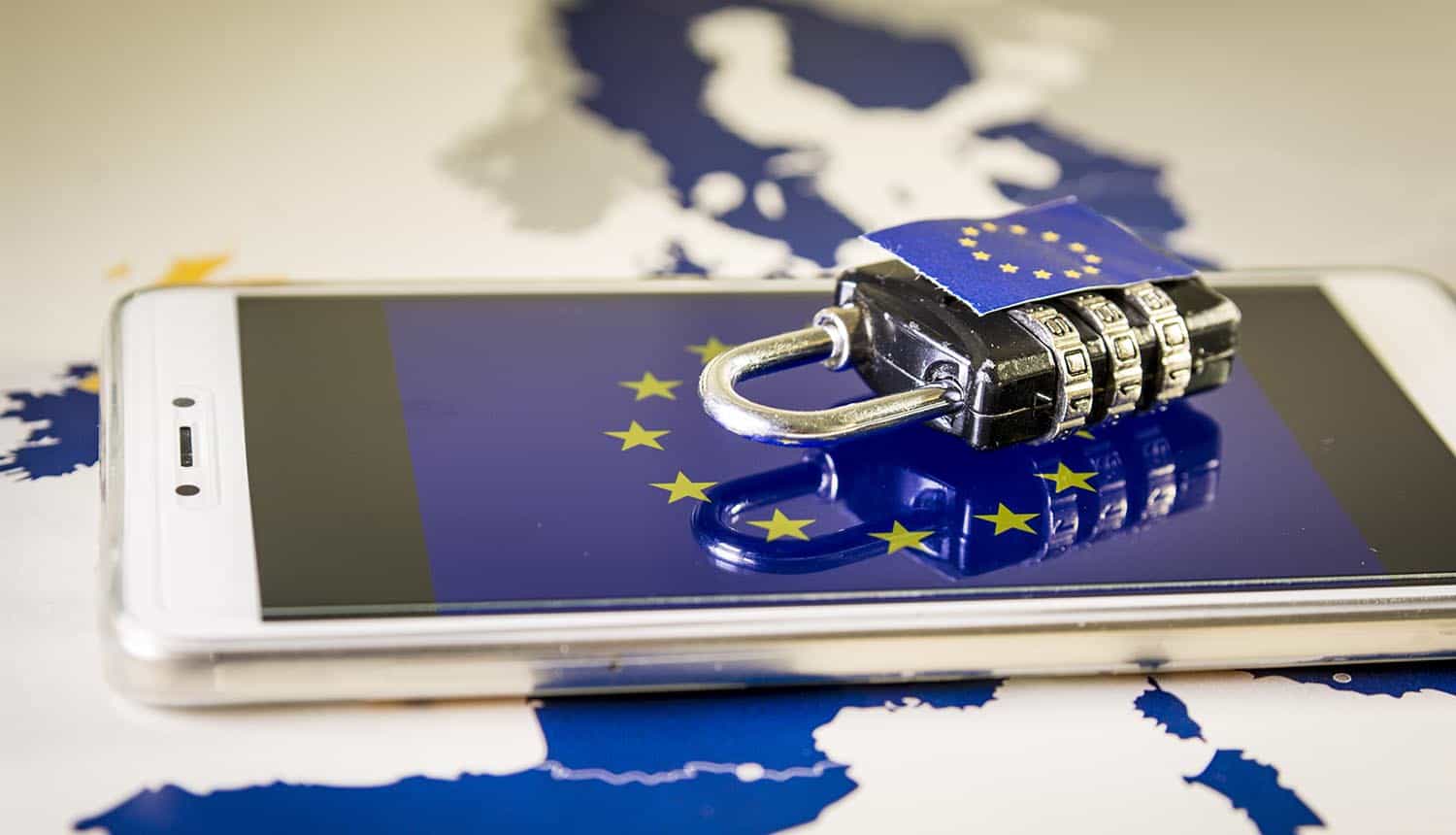
noyb is bringing GDPR complaints against a number of companies that use "cookie banners" to collect consent for identification and tracking measures when websites are visited.
Instead of using cookies, IAB Tech Lab is proposing web tracking technologies through one centralized token that follows users around the web to track browsing habits and privacy preferences.
The INC Ransomware group has claimed responsibility for the State Bar of Texas data breach that leaked the sensitive information of thousands of members and some case documents.
Samsung says that no personal information was lost in the data breach and that it does not expect customers to be impacted, but the source code could lead to serious vulnerabilities.
The US Cyber Command is expecting the TrickBot botnet to be involved in election interference attempts, and is actively running persistent operations against it along with Microsoft.
The increase in cyber threats is forcing general counsels to grow into a strategic leadership role in terms of management of data risks, per the General Counsel Report 2021.
U.S. push for COPPA update and UK publication of 16-point draft code of practice for children’s privacy show a move towards stronger data protection laws against tracking and monitoring of children.
As part of the Biden administration's ongoing infrastructure bill project, which looks to commit trillions of dollars to addressing longtime issues with the country's vital utilities, $1.9 billion has been proposed for cybersecurity funding.
To a great degree the strategic plan builds on the previously published CISA Strategic Intent and formalizes a number of cybersecurity strategy initiatives the agency is already well underway with.
A cyber attack on the largest Dutch telecommunications service provider Odido has leaked extensive customer data of 6.2 million individuals after hackers breached a contact system.