The Biden administration has announced a 100-day plan aimed at rapid improvement of US power grid cybersecurity. The administration made reference to "bold" moves and laid out some of its general proposals.
The first signs of legal action against Facebook over the recent data leak have appeared, as an EU digital privacy group has announced plans to take the social media giant to court in Ireland.
Imperva found that bot traffic accounted for 40% of internet activity. Malicious scripts were responsible for 26% of website visits and could interfere with the COVID-19 vaccine.
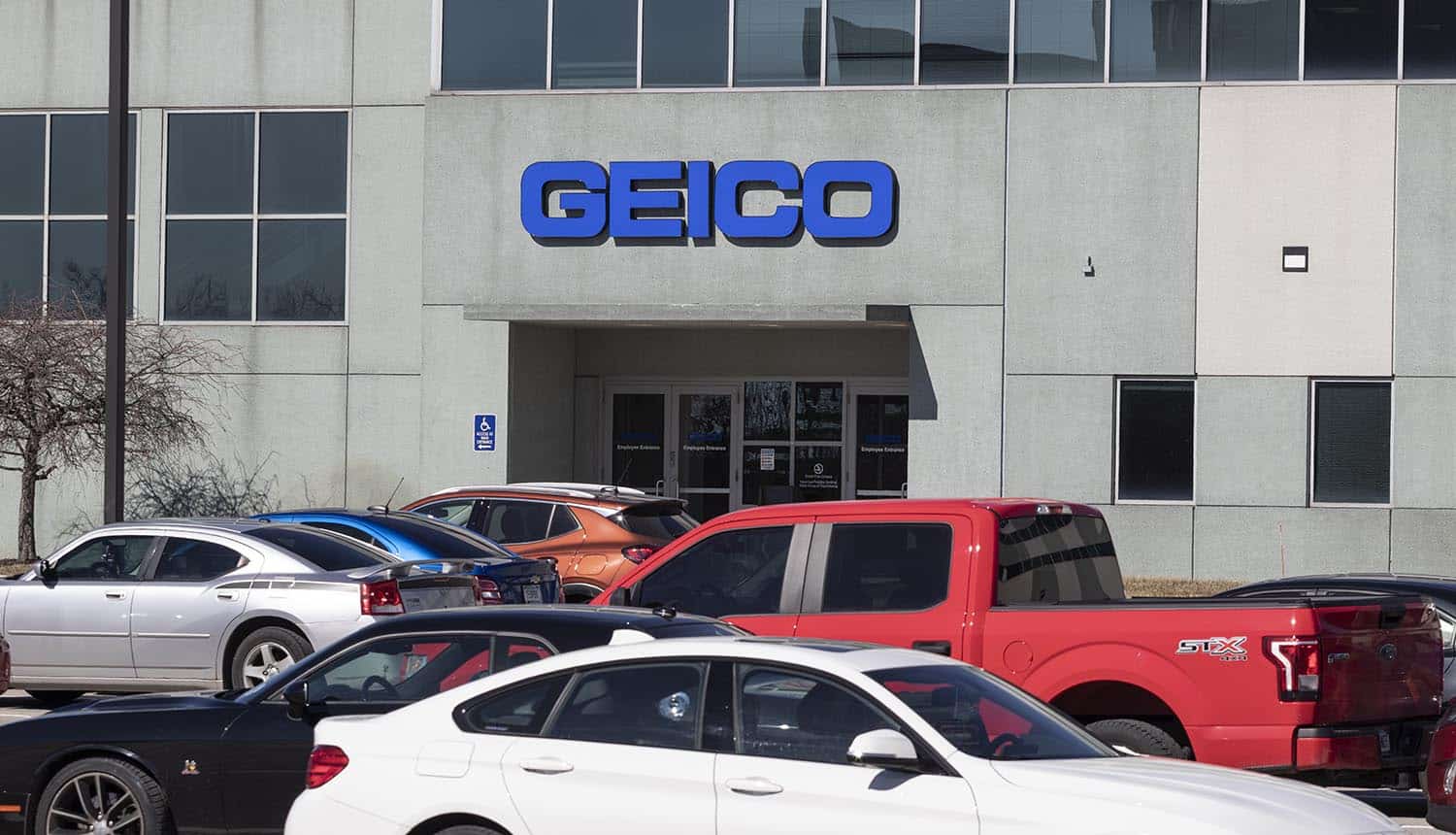
Insurance giant Geico mailed notifications of a data breach to its customers, indicating that an unknown number of driver's license numbers were compromised and might be used for fraudulent unemployment claims.
Researchers discovered apps infected with Joker malware on Huawei’s AppGallery. The affected apps subscribe users to mobile premium services and were downloaded more than 500,000 times on Huawei Android phones.
Study from HP reveals that nation-state cyber attacks have not only doubled since 2017, but are also increasingly incorporating attacks on physical assets (such as infrastructure).
The FBI obtained a court order to remove hackers’ web shells from the still-compromised Microsoft Exchange servers without informing the owners until the operation was concluded.
Verizon's annual mobile security report paints a picture of a landscape increasingly dependent on mobile devices to get work done, this pattern has been driven primarily by the pandemic conditions.
Scrambling to find a way around Apple's new app tracking rules, publishers have come up with a server-to-server fingerprinting technique that is able to fly below the radar.
Google and Apple’s contact tracing app was supposed to put user privacy first. Each of the tech giants has blocked the most recent update from the NHS, citing privacy violations.