Data for sale on the dark web from Italian email provider Email.it includes the full content of over 600,000 user accounts that may have been exposed since January 2018.
Federal agencies urged FCC to consider China Telecom a national security threat, pointing to concerns that the company is vulnerable to exploitation, influence, and control by the Chinese government.
Zoom faces lawsuits accusing the company of covering up serious privacy and security issues as they onboard millions of new users due to the coronavirus crisis.
Google Maps location history has been used to map out community activity in every country in Google's newly released COVID-19 Community Mobility Reports.
Newly discovered a TikTok vulnerability that allows hackers to show fake videos by executing man-in-the-middle (MitM) attacks, making it easy for hackers to promote scams, misinformation, or hate.
Council of Europe recently published a guideline on how to use algorithms and automation in algorithmic decision making while protecting human rights at the same time.
New White House phishing scam impersonating President Trump and Vice President Pence is baiting people who are anxious and lacking good guidance from the officials.
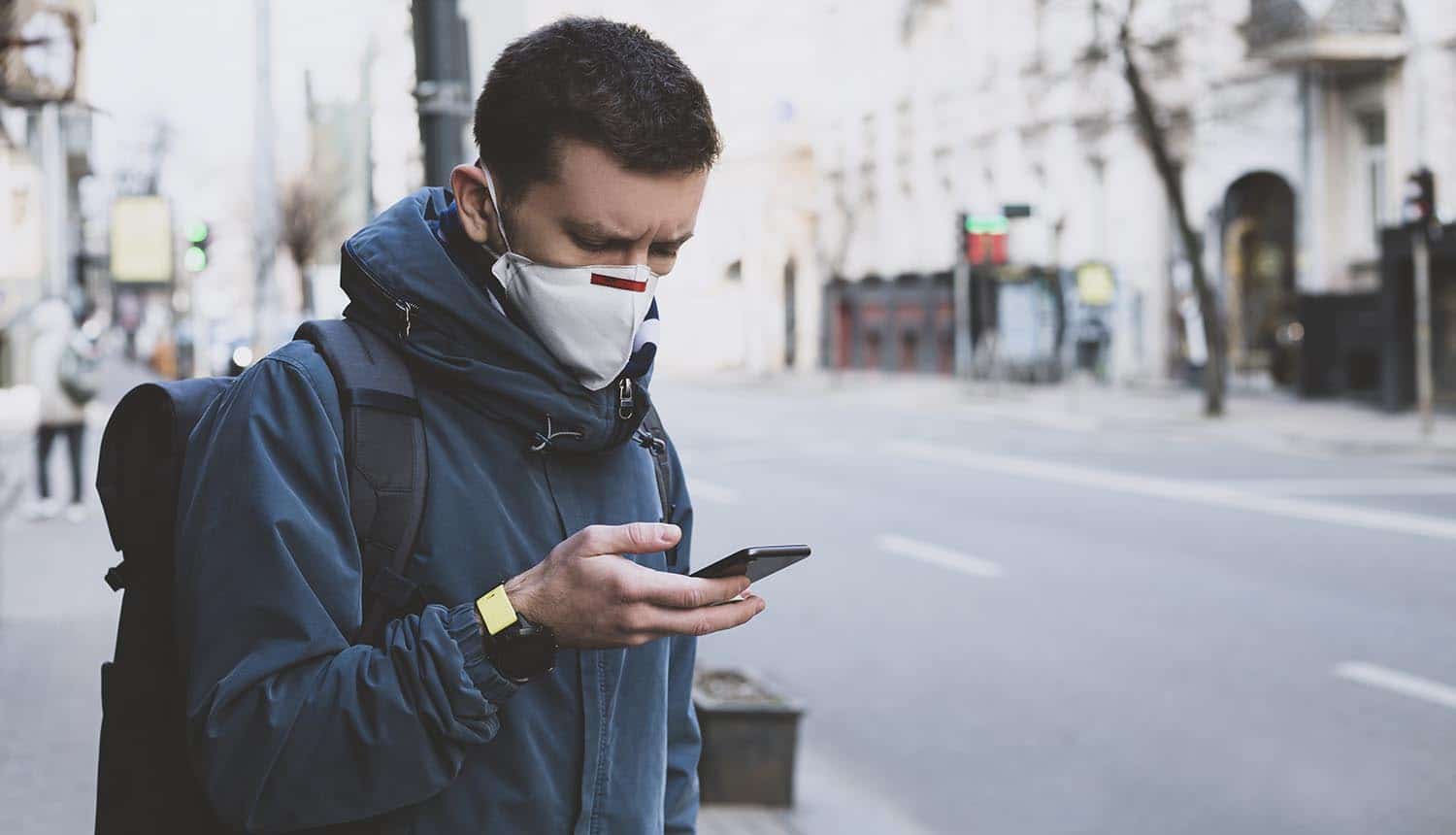
Countries are working on contact tracing apps that have data safeguards built in to address privacy concerns while fighting against COVID-19. Can these apps really preserve privacy?
New law has passed in Washington state which will limit the use of facial recognition technology but some are concerned that it does not offer enough protections against marginalized groups.
API that provides list of Android apps installed on a device may allow advertisers to fingerprint users' demographic information and track what they access on the internet.