The Federal Bureau of Investigation (FBI) warns about AI-generated phishing text or deepfake audio messages impersonating senior U.S. officials targeting current and former state and federal officials and their contacts.
The USPTO says that an API vulnerability was present between February 2020 and March 2023, causing a data leak of about 61,000 private residential addresses attached to patent filings.
Recent U.S. protests are exposing the surveillance technology used by government to monitor demonstrations, raising concerns that these tools will be here to stay.
U.S. protests of police brutality have caused Amazon, Microsoft and IBM to temporarily cease selling facial recognition technology to law enforcement agencies.
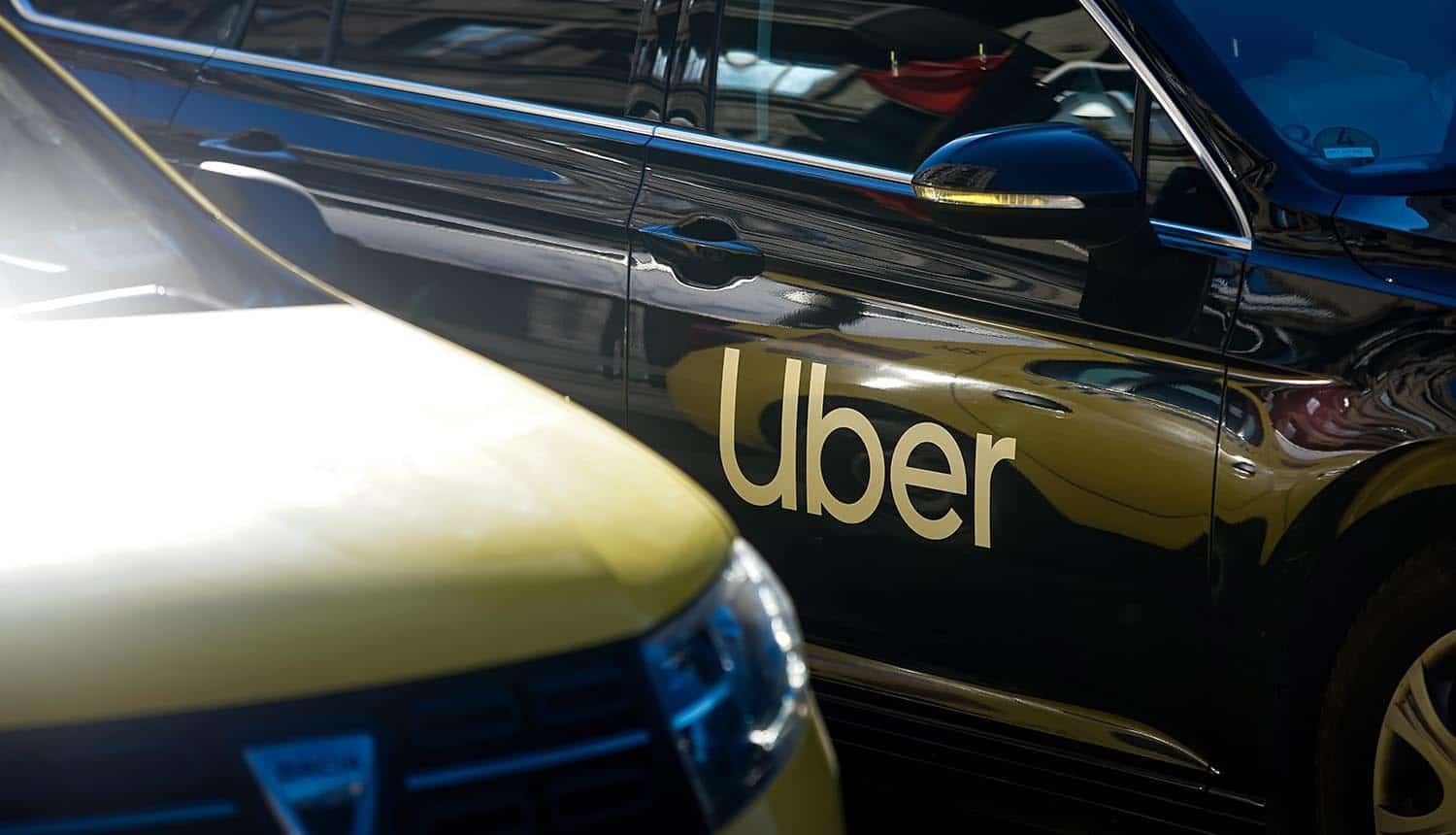
A data breach at ride-hailing service Uber has exposed the personal information of nearly 150,000 U.S. drivers after attackers breached an AI infrastructure company.
The Uber data breach resulted in the theft of a variety of internal company information, and stemmed from a third-party vendor. The thieves also got away with source code and employee personal information.
The Dutch regulator predicates its massive GDPR fine for Uber on the fact that the sudden driver suspensions left some platform users without income, a decision that it says should not be left up to an automated system alone.
The Unique Identification Authority of India (UIDAI) has denied reports that the Aadhaar data breach has made masses of biometric data available to external players for a miniscule sum. Has big government in India simply overreached itself as far as its vision for this database is concerned?
A known state-sponsored hacking group from China has been sanctioned by the US Treasury Department for a campaign of cyber attacks over the past decade, and has been named by the UK's National Cyber Security Centre (NCSC) as the culprit in a 2021 cyber espionage campaign against parliamentarians.
After being pulled into an early July meeting with regulators over uncompetitive savings rates, some UK banks are now blaming data protection laws for consumer financial woes, claiming that rules forbid them from communicating better options to customers.