Israel's cyber response to cyber attacks launched by Hamas was to launch an air strike on a building known to be the cyber HQ for Hamas. It is believed to be the first time any military has responded to a digital threat with immediate force.
Report from the Internet Society, in partnership with Consumers International, shows continuing concerns with IoT security and privacy, where 53% of consumers distrust connected devices to protect their privacy and handle information in a responsible manner.
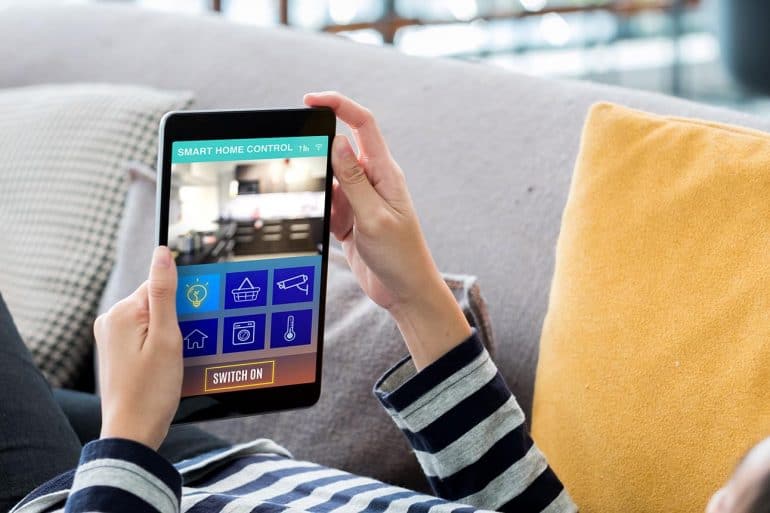
Connected devices will soon be subject to new IoT security laws, with California taking the lead and requiring devices to have “reasonable security features” and U.K. draft law requires devices to have cyber security features labeled on package.
New cyber security directive from DHS has cut mandatory time for U.S. federal government agencies to patch vulnerabilities considered critical from 30 to 15 days, failure to do so may result in administrative penalties.
Facebook warned investors on potential FTC fine of $3 to $5 billion from upcoming Facebook settlement in Cambridge Analytica scandal, the company could be forced to create new privacy oversight review board reporting to FTC.
Mysterious organization exposed tools and source code used by Iranian hackers, including personal information of some Iranian Ministry of Intelligence members responsible for state-sponsored cyber attacks.
U.S. push for COPPA update and UK publication of 16-point draft code of practice for children’s privacy show a move towards stronger data protection laws against tracking and monitoring of children.
Facebook terms of service, once obfuscated by complicated, legalistic language, is going to state clearly how they provide services free of charge to consumers in return for agreement to share their personal data with third parties and used for targeted advertising.
In 2018, 351,936 complaints were filed with the FBI, averaging around 900 a day, and these successful internet crime schemes resulted in about $2.7 billion in personal and business losses.