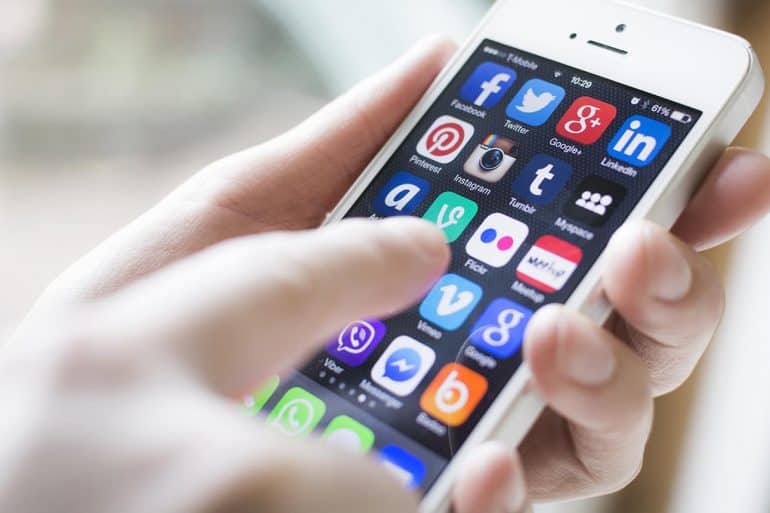
Mobile app makers can now use uninstall tracking software to inundate ex-users with advertising designed to win them back. Can app developers continue to use customer data for any purpose which fits their business model – even after users have deleted the mobile app?
Data Privacy
Technological development has always outpaced privacy concerns, but never more so than in the past decade. Collection and centralization of personally identifiable information (PII), tracking of movements and digital surveillance are all at unprecedented levels. Regulations and laws are only just beginning to catch up to the ability of both governments and private entities to deploy these capabilities.
What exactly is there to worry about? The mass collection and centralization of data by giant multinationals such as Facebook and Google is as good of a place to start as any. Two decades of vacuuming up the personal data of users of various online services has created the most impressive marketing capabilities in history, but these profiles have astounding potential for damage when they are used the wrong way or fall into the wrong hands.
Unauthorized information that is captured in data breaches tends to find its way to massive “combo lists” that are sold and traded on the dark web. Social security numbers are added from this breach, home addresses and phone numbers from that one, personal health information from yet another. Soon, a frighteningly complete profile of millions of individuals is available to anyone willing to pay the asking price.
These are just the established data privacy issues. The emerging ones are even worse. High-quality facial recognition technology is just beginning to roll out across the public places of some countries. Artificial intelligence is not only making mass facial recognition possible, but magnifies the power and reach of any application that involves capturing and sorting information: scanning pictures, analyzing speech, sifting through text and location data. This threatens to not only shatter anonymity and privacy, but allow for highly advanced impersonation and take the concept of “identity theft” to new levels.
Some businesses chafe at the trouble and added expense of new and emerging data privacy regulations, but they are vital to both protecting rights and privacy and instilling confidence in end users. Customers want to be able to submit their payment information without worry about data breaches and identity theft, use services without wondering what is being done with their personal information and use devices without fear of surveillance or having location data tracked. The need for meaningful safeguards only grows greater as technological capabilities increase.
Incognito Mode is an option in the Chrome browser that is supposed to keep user browsing and form entry data from being stored. A new privacy lawsuit cites internal discussions (and developer jokes) in challenging it.
Consumer trust is at an all-time low and data privacy is becoming a core expectation among 89% of consumers. This demands that businesses reevaluate how they treat their customers’ data to ensure they prioritise privacy-focused practices and technology to keep data safe online.
On 19 February the European Commission presented three papers setting out no less than the digital future of the EU. So what are they exactly and why are they not laws?
The key to creating a mutually trusting relationship between a business and its customers may lie in consumers becoming more empowered and knowledgeable about their personal data.
Newly leaked internal document suggests that Facebook data sharing program with U.S. top mobile carriers may be highly extensive and intrusive.
In a new California lawsuit, Facebook is accused of failing to adequately comply with information and subpoena requests related to the company’s privacy practices.
Amazon unveiled new product line which raised many Alexa privacy concerns, such as Echo Frames and Echo Loop smart ring which could be recording conversations without you knowing.
Top 30 travel apps were found not to meet basic security and privacy standards in a recent study. Should users take the risks for great travel deals and savings in money?
Democracy is at risk from companies like Facebook that behave like digital gangsters. And, in fact, there are many similarities between Facebook’s behavior and recent violations and the way that “traditional gangsters” act.