23 million border crossers entering the United States were subject to facial recognition scans in 2020. Of these, it appears not one was determined to be an imposter at any of the country's airports.
California legislature decided to rein in the “surveillance state” by passing a three-year state-wide moratorium on the use of facial recognition technology in body cams used by law enforcement agencies.
Law enforcement agencies have identified at least 150 investment fraud websites operated by fake broker-dealers who stole a minimum of $50 million from at least 70 victims.
A blast of thousands of fake emails from the FBI named security professional Vinny Troia as a criminal. Troia believes the perpetrator is affiliated with several different criminal groups and also running a “white hat” security firm in Canada.
Latest variant of Fakebank Android malware adds even more functional threats to banking clients – in the form of ‘vishing’ (voice phishing). It can now intercept outgoing and incoming calls which is then redirected to scammers which allows them to pose as legitimate employees of the bank.
SMB security teams are forced to work under pressure and with limited resources due to falling IT security budgets. The situation leaves their organizations vulnerable to cyberattacks.
A third-party data breach at Farmers Insurance has exposed the sensitive personal information of over 1.1 million people after hackers breached a vendor-managed database.
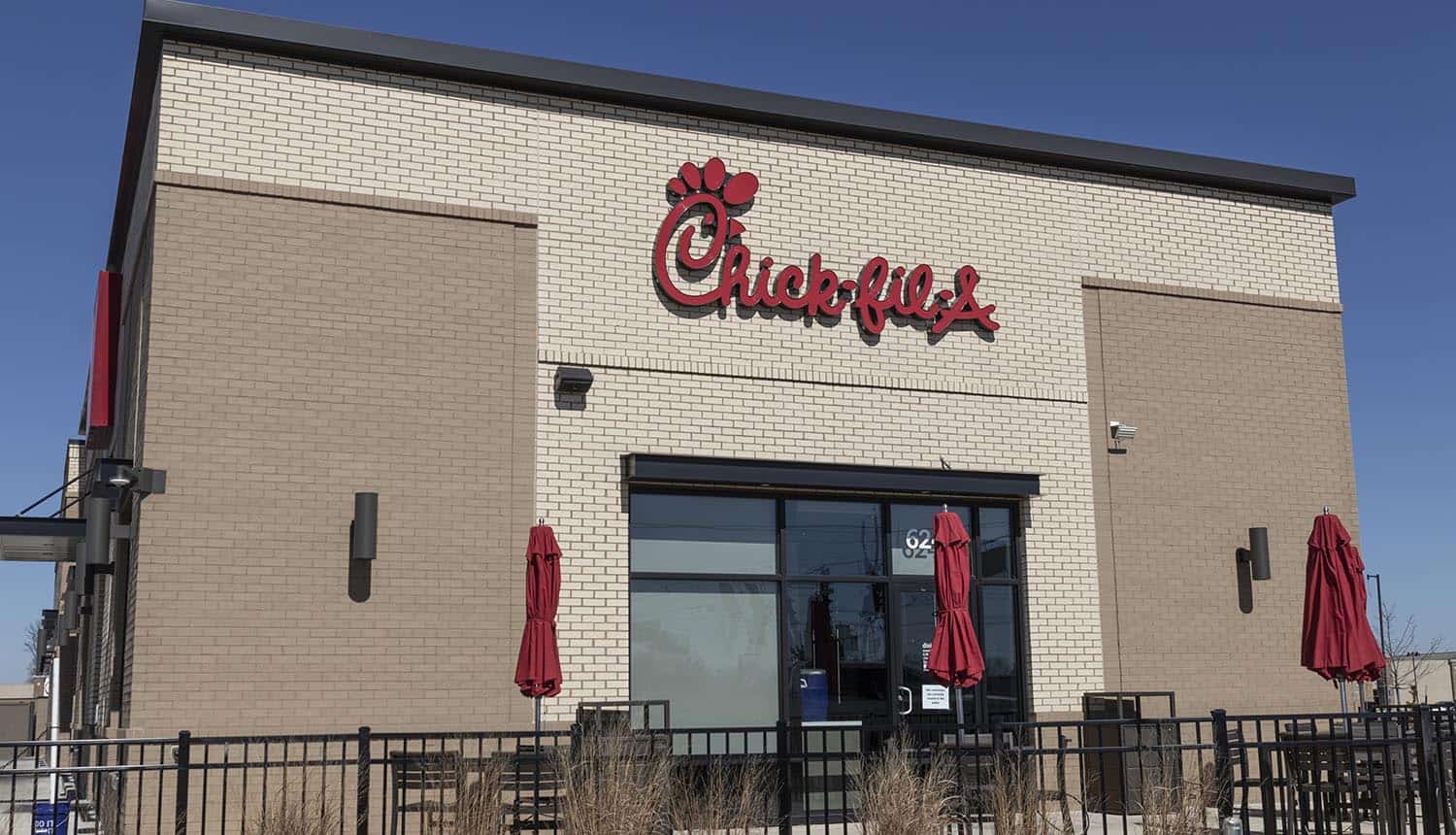
Fast food chain Chick-fil-A has experienced a data breach stemming from credential stuffing attacks using login details from a third-party source to compromise accounts.
The total cost of cybercrime jumped to $12.5 billion in 2023, and the FBI logged a record 880,418 complaints (a 10% increase from the previous year). This is in part being fed by ransomware attacks, which came close to doubling in total cost from 2022 to 2023.