FBI is issuing more cyber security alerts than usual, covering human trafficking, COVID-19 scams, vulnerabilities in networking platforms and cloud-based business email compromise campaigns.
More than 110 civil society organizations have jointly issued a statement against the COVID-19 digital surveillance performed by governments around the world to curb the pandemic.
Chinese hackers are on a massive cyber espionage campaign targeting over 75 organizations throughout the world and using vulnerabilities in various routers and cloud services.
Two Illinois schoolchildren are suing Google for collecting biometric data including face scans of millions of school students through its classroom software tools.
In a recent BGP hijacking incident, internet traffic meant for 200 major networks, content delivery networks and cloud providers were redirected through Russian state-owned telecommunications provider, Rostelecom.
API that provides list of Android apps installed on a device may allow advertisers to fingerprint users' demographic information and track what they access on the internet.
New law has passed in Washington state which will limit the use of facial recognition technology but some are concerned that it does not offer enough protections against marginalized groups.
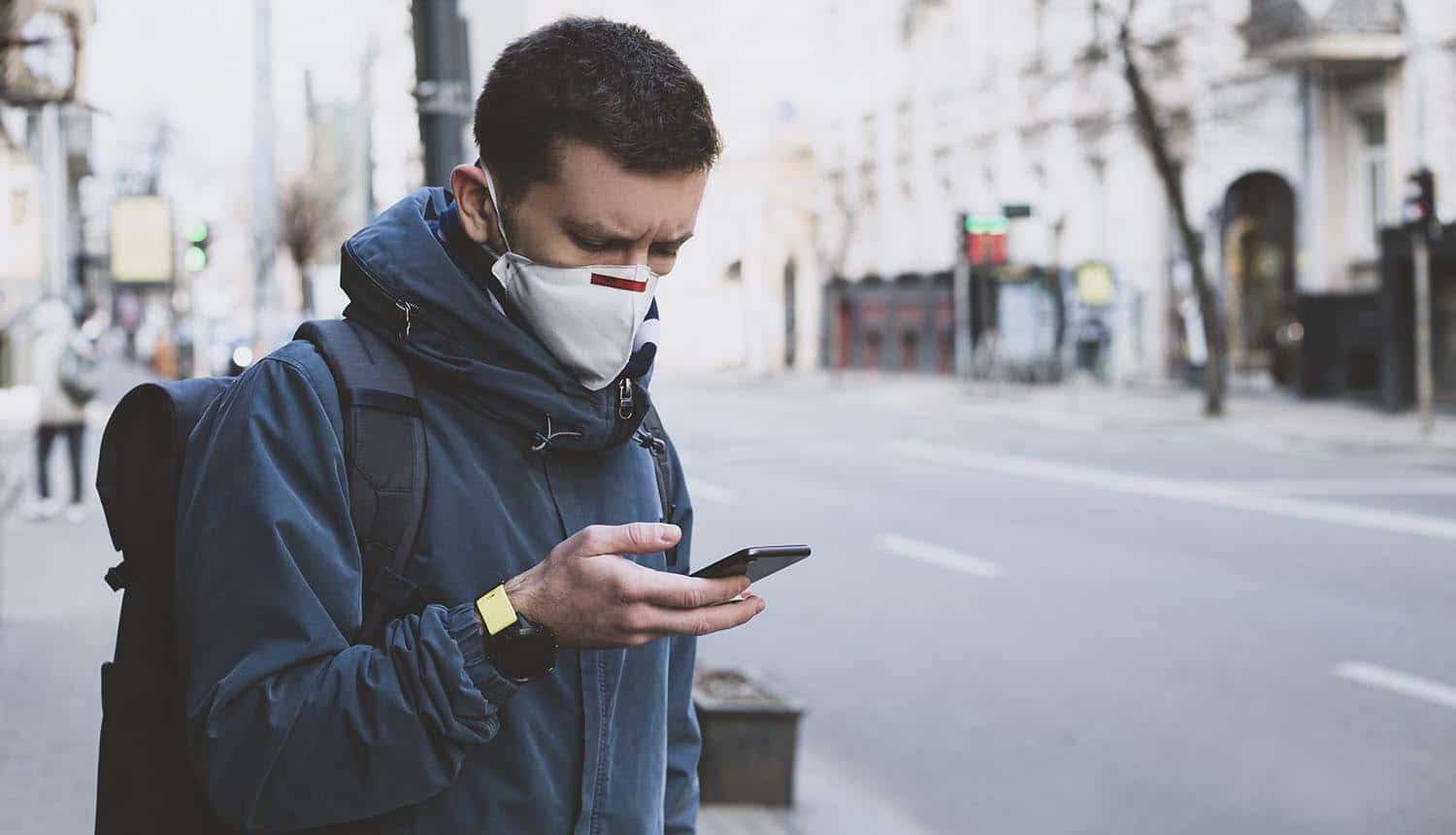
Countries are working on contact tracing apps that have data safeguards built in to address privacy concerns while fighting against COVID-19. Can these apps really preserve privacy?
New White House phishing scam impersonating President Trump and Vice President Pence is baiting people who are anxious and lacking good guidance from the officials.
Council of Europe recently published a guideline on how to use algorithms and automation in algorithmic decision making while protecting human rights at the same time.