Yet more proof that a federal privacy law could be coming to the U.S. as early as next year with the introduction of the Online Privacy Act which may be more stringent than the California Consumer Privacy Act (CCPA).
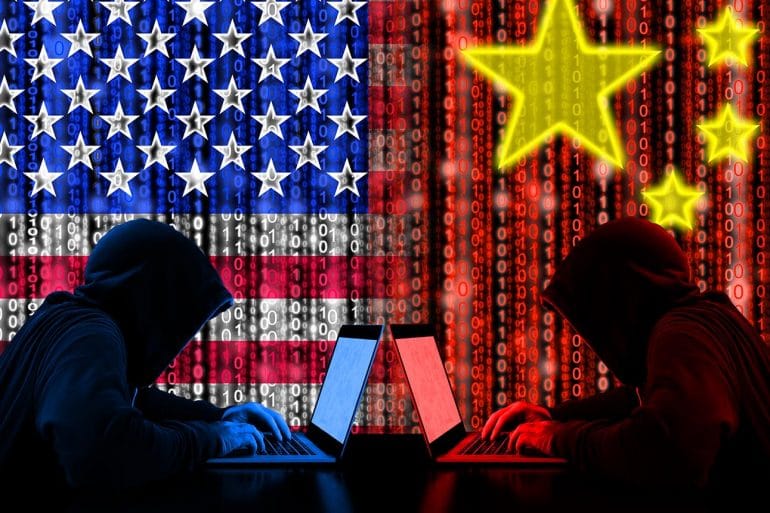
FBI's testimony suggests that the Chinese cyber threat to national security is becoming much more sophisticated in the realm of cyber espionage including abuse of the “Thousand Talents” program.
CFIUS will be conducting a national security review on TikTok as top U.S. lawmakers think the company is used by the Chinese state to censor political opinion or snoop on U.S. citizens.
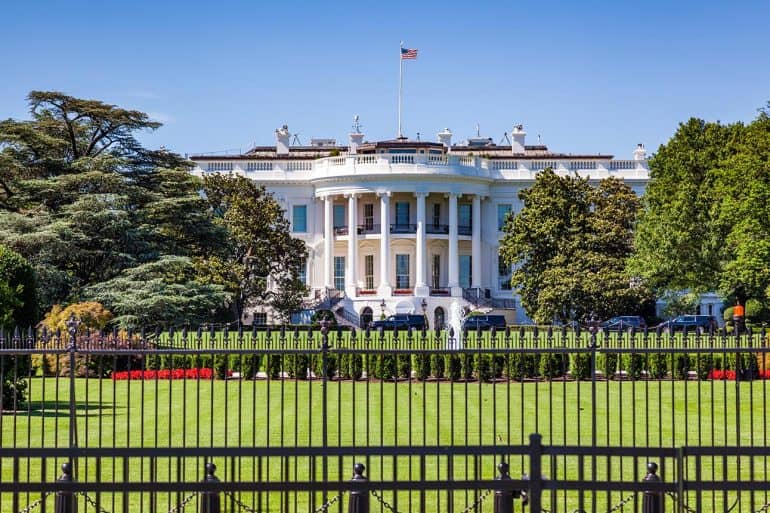
The White House may be at risk of cyber attacks with the recent exodus of at least a dozen senior officials from the cyber security team and the removal of duties and security privileges of those remaining.
In a recent case against Retina-X, FTC alleged the developer created monitoring apps that provide online and physical tracking of individuals which could also be used for illegal activities.
With tens of thousands of contractors serving the Defense Department, the new vendor cyber security certificate aims to improve supply chain security by assessing contractors before allowing them to bid.
New proposed privacy bill to impose penalties of up to 4% of a company’s annual revenue for first-time privacy violations and potential jail time for senior executives who lie about them.
There is growing concern that big tech companies might be looking for ways to weaken COPPA which provides privacy protection for children which the FTC is looking to update.
Fearing the potential of an outright ban on facial recognition technology, U.S. Chamber of Commerce has written an open letter to urge political leaders to consider all its positive uses.
New declassified ruling shows how FBI abused the constitutional privacy rights of U.S. citizens in 2017 and 2018 by using NSA surveillance data to conduct backdoor searches.